
Cable Tray Manufacturing Machine: High-Speed & Precise Roll Forming
Overview: The Critical Role of Cable Tray Manufacturing Machines
In modern industrial and commercial infrastructure, efficient cable management is paramount for operational safety, organization, and longevity. Cable trays provide robust support and protection for power, data, and communication cables, preventing damage, facilitating maintenance, and ensuring compliance with electrical codes. At the heart of this essential infrastructure component lies the cable tray manufacturing machine, a sophisticated piece of equipment designed to produce high-quality cable trays with precision and efficiency. These advanced systems are engineered to meet the stringent demands of various industries, ensuring consistent product quality and optimizing production workflows.
This article delves into the intricacies of these vital machines, exploring industry trends, technical specifications, application scenarios, and the significant advantages they offer. We will also examine vendor comparisons, customized solutions, and real-world application case studies, providing a comprehensive understanding for B2B decision-makers and engineering professionals.
Current Industry Trends in Cable Tray Production
The global market for cable tray systems is experiencing steady growth, driven by expansion in data centers, renewable energy projects, industrial automation, and smart city initiatives. This growth fuels demand for advanced production capabilities. Key trends impacting the design and functionality of the cable tray manufacturing machine include:
- Increased Automation: Manufacturers are moving towards fully automated or semi-automated cable tray roll forming machine systems to reduce labor costs, increase production speed, and minimize human error.
- Material Versatility: A growing demand for trays made from diverse materials like galvanized steel, stainless steel, aluminum, and even fiberglass reinforced plastic (FRP) necessitates machines capable of processing various material thicknesses and properties.
- Precision and Customization: The need for bespoke cable tray designs, including specific widths, heights, depths, and perforation patterns for enhanced ventilation or heat dissipation, drives the adoption of CNC-controlled and highly adaptable cable tray making machine solutions.
- Energy Efficiency: Modern machines are designed with energy-saving components and optimized operational modes to reduce power consumption, aligning with global sustainability efforts.
- Industry 4.0 Integration: Connectivity, data analytics, and predictive maintenance capabilities are becoming standard, allowing for real-time monitoring, optimized scheduling, and reduced downtime.
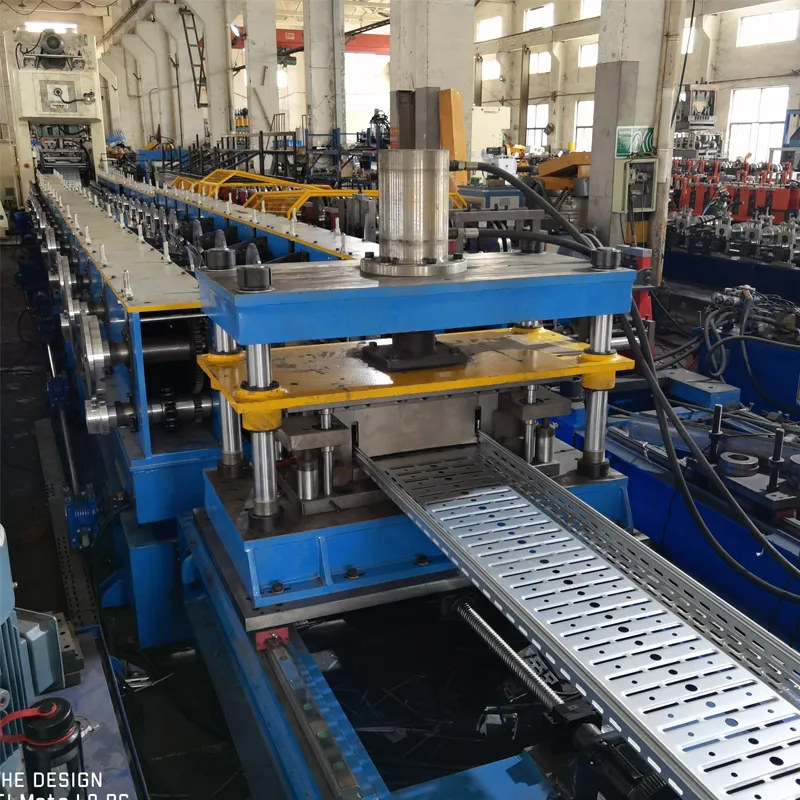
Detailed Process Flow of an Automatic Cable Tray Roll Forming Machine
The manufacturing process of cable trays using an automatic cable tray manufacturing machine involves a series of meticulously coordinated steps to transform raw metal coils into finished, precisely formed cable management systems. This highly efficient process ensures consistent quality and high output.
Key Materials:
- Galvanized Steel: Most common, offering good corrosion resistance. Often pre-galvanized or hot-dip galvanized after fabrication.
- Stainless Steel (304, 316): Used in corrosive environments (e.g., petrochemical, marine) for superior resistance.
- Aluminum: Lightweight, excellent corrosion resistance, suitable for applications requiring minimal load on structures (e.g., offshore platforms, data centers).
- Pre-painted Steel: For aesthetic applications or additional corrosion protection.
Manufacturing Process Steps:
- Decoiling and Feeding: The process begins with a coil of raw metal sheet being loaded onto an uncoiler (decoiler). The uncoiler feeds the strip into the machine, often through a leveling device to ensure flatness and remove coil set.
- Punching and Notching: The flat strip then enters a precision punching station. This stage uses hydraulic or mechanical presses to create necessary perforations (for ventilation, cable ties) and notches (for bending, connectors) according to design specifications. This is typically controlled by CNC for high accuracy.
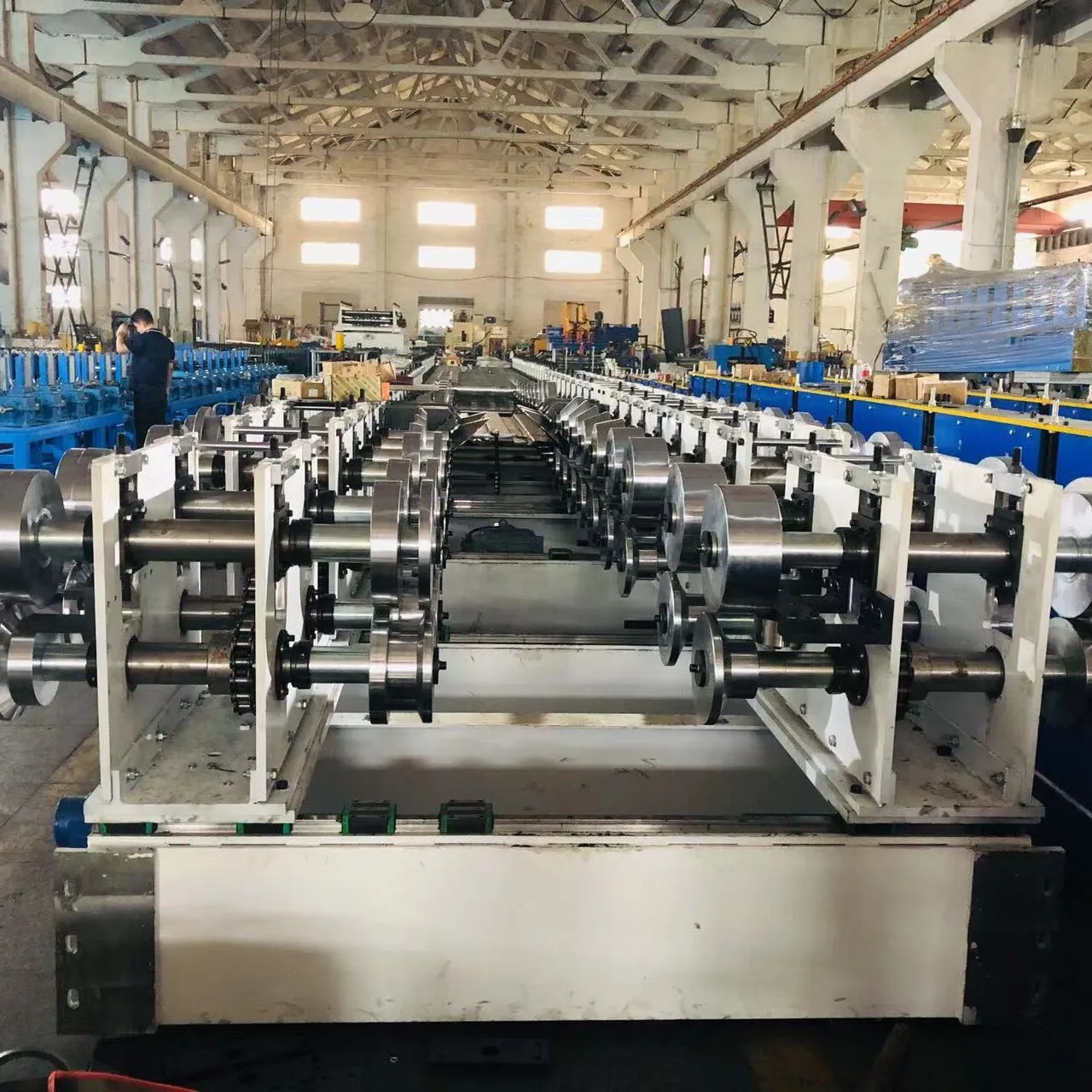
- Roll Forming: This is the core of the operation. The punched strip passes through a series of forming rollers, which progressively shape the metal into the desired cable tray profile. Each roll stand performs a small part of the bend, gradually achieving the final shape (e.g., ladder type, perforated type, solid bottom). The precision of these forming dies is critical for dimensional accuracy and structural integrity.
- Cutting to Length: Once the desired profile is formed, a flying shear or hydraulic cut-off mechanism precisely cuts the continuous profile into specified lengths without stopping the rolling process, maintaining high production speed.
- Output and Stacking: The cut cable tray sections are then moved to an output table or an automatic stacking system, ready for further processing or packaging.
- Post-processing (Optional): Depending on the material and application, trays may undergo additional processes like hot-dip galvanizing (for enhanced corrosion resistance), powder coating (for aesthetics and added protection), or welding of accessories.
Schematic Steps:
[Raw Coil] >> [Decoiling/Leveling] >> [Punching/Notching] >> [Roll Forming Stands] >> [Flying Shear Cut-off] >> [Output/Stacking] >> [Finished Cable Tray]
Testing Standards and Service Life:
Finished cable trays, produced by a reliable cable tray roll forming machine, must adhere to international testing standards such as ISO 9001 (Quality Management), NEMA VE 1 (Metal Cable Tray Systems), IEC 61537 (Cable Tray Systems and Cable Ladder Systems), and ANSI/UL (Underwriters Laboratories) standards for safety and performance. Adherence to these standards ensures structural integrity, load-bearing capacity, and corrosion resistance. With proper material selection and manufacturing quality, cable trays can have a service life exceeding 20-30 years, especially in non-corrosive environments or when made from stainless steel.
Target Industries and Advantages:
The output of these machines serves critical infrastructure across diverse sectors:
- Petrochemical: High-resistance trays (e.g., stainless steel) are crucial for corrosive environments, ensuring safety and uptime.
- Metallurgy: Robust trays handle heavy cable loads in demanding conditions.
- Water Supply & Drainage: Corrosion-resistant solutions are vital for protecting electrical systems from moisture and chemicals.
- Data Centers: Lightweight aluminum trays with efficient ventilation patterns prevent overheating, contributing to energy saving by reducing cooling costs.
- Power Generation: Trays manage extensive cabling in power plants, requiring high load capacity and fire resistance.
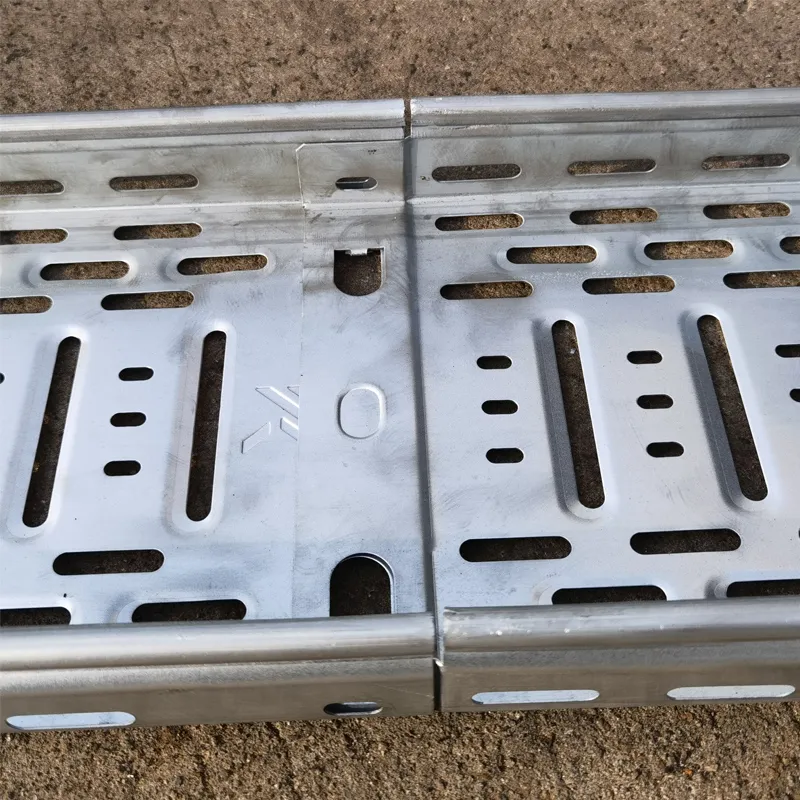
Technical Specifications: Automatic Cable Tray Roll Forming Machine
Understanding the technical parameters of an automatic cable tray manufacturing machine is crucial for evaluating its suitability for specific production requirements. The following table outlines typical specifications for a high-performance Automatic Cable Tray Roll Forming Machine, similar to offerings from a leading cable tray machine manufacturer.
Product Specification Table: Automatic Cable Tray Roll Forming Machine
| Parameter | Specification |
|---|---|
| Processed Material Thickness | 0.8mm - 2.5mm (Galvanized Steel, Stainless Steel, Aluminum) |
| Coil Width Range | 200mm - 1250mm (adjustable) |
| Forming Speed | 8-15 meters/minute (adjustable, depending on profile complexity) |
| Number of Roll Forming Stations | 16-24 stations (optimized for precise shaping) |
| Main Motor Power | 15-30 kW (depending on capacity and material) |
| Cutting Type | Hydraulic Flying Shear (GCR12 steel blades, hardened HRC58-62) |
| Control System | Siemens/Panasonic PLC with Touch Screen HMI |
| Decoiler Capacity | 5-10 Tons (manual or hydraulic) |
| Machine Dimensions (L x W x H) | Approx. 12m x 2m x 1.8m (variable by configuration) |
| Weight | Approx. 10-15 Tons |
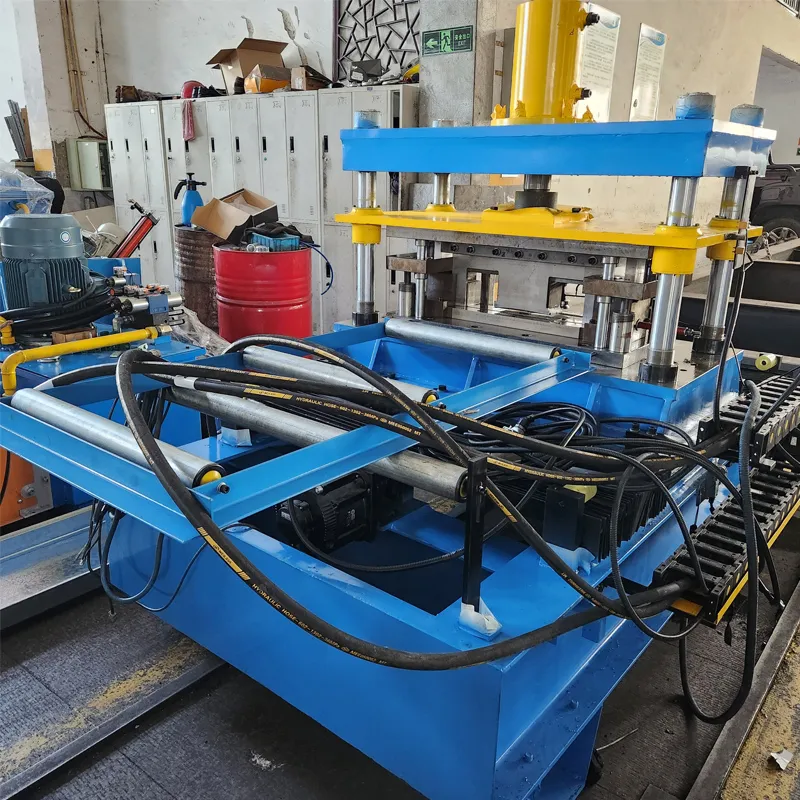
Technical Advantages of Modern Cable Tray Roll Forming Machines
Investing in a state-of-the-art cable tray roll forming machine offers numerous technical advantages that translate directly into operational efficiencies and product quality improvements:
- High Precision and Consistency: CNC (Computer Numerical Control) integration ensures micron-level accuracy in punching and forming, leading to perfectly symmetrical and dimensionally consistent cable trays. This reduces waste and improves downstream assembly.
- Enhanced Production Efficiency: Automated processes, high forming speeds, and integrated cutting systems significantly boost output per hour compared to traditional methods. Flying shear technology allows for continuous production without pauses for cutting.
- Material Optimization: Advanced software optimizes nesting and cutting patterns, minimizing material scrap and reducing raw material costs. Machines can often handle various coil widths and material types with minimal changeover time.
- Flexibility and Customization: Modern systems can be quickly reconfigured to produce different cable tray profiles (e.g., ladder, perforated, solid bottom, wire mesh) and sizes. This adaptability is crucial for meeting diverse client specifications and market demands.
- Reduced Labor Dependency: Automation lessens the reliance on manual labor, mitigating risks associated with human error and improving workplace safety. Operators primarily monitor and manage the system via user-friendly HMI (Human-Machine Interface) touch screens.
- Robust Construction and Durability: Components like forming rollers and cutting dies are manufactured from high-grade alloy steels (e.g., GCR15, Cr12MoV) and subjected to advanced heat treatments (e.g., quenching, tempering) to ensure exceptional hardness, wear resistance, and a long service life.
Vendor Comparison: Evaluating Cable Tray Machine Manufacturers
Choosing the right cable tray machine manufacturer involves careful consideration of several factors beyond just the initial cable tray manufacturing machine price. Expertise, experience, and post-sales support significantly impact long-term operational costs and efficiency. Here’s a comparison framework to guide procurement decisions:
Comparison Table: Key Considerations for Cable Tray Machine Procurement
| Feature/Factor | Premium Manufacturer (e.g., Yowin) | Standard Manufacturer |
|---|---|---|
| Machine Precision & Components | High-grade steel rollers (Cr12MoV/GCR15), Siemens/Panasonic PLC, SKF bearings. Tolerance < ±0.5mm. | Standard steel rollers, generic PLC, standard bearings. Tolerance ±1-2mm. |
| Automation Level | Fully automatic with integrated punching, cutting, and stacking. Remote diagnostics. | Semi-automatic, requiring more manual intervention for setup/changeover. |
| Material Handling Flexibility | Capable of processing a wide range of materials (0.8-2.5mm) and custom profiles with quick tooling changes. | Limited to specific material types and thickness ranges; longer changeover times. |
| Production Speed | 8-15 m/min (high efficiency with flying shear). | 3-8 m/min (stop-and-cut systems). |
| After-sales Support & Warranty | Comprehensive 1-2 year warranty, global technical support, readily available spare parts, online troubleshooting. | Basic 6-12 month warranty, limited support, potential delays in spare part delivery. |
| Certifications | ISO 9001, CE compliant, adherence to NEMA/IEC standards. | May have basic certifications, less stringent adherence to international standards. |
| Total Cost of Ownership (TCO) | Higher initial investment, but lower operational costs, higher uptime, and longer lifespan lead to better TCO. | Lower initial investment, but higher maintenance, lower efficiency, and shorter lifespan often lead to higher TCO. |
While the initial cable tray manufacturing machine price can be a significant factor, focusing on the long-term TCO, supported by robust manufacturing, advanced technology, and dependable support, yields greater returns. Companies like Yowin Machine often embody the premium manufacturer profile, offering specialized expertise and proven track records in the industry.
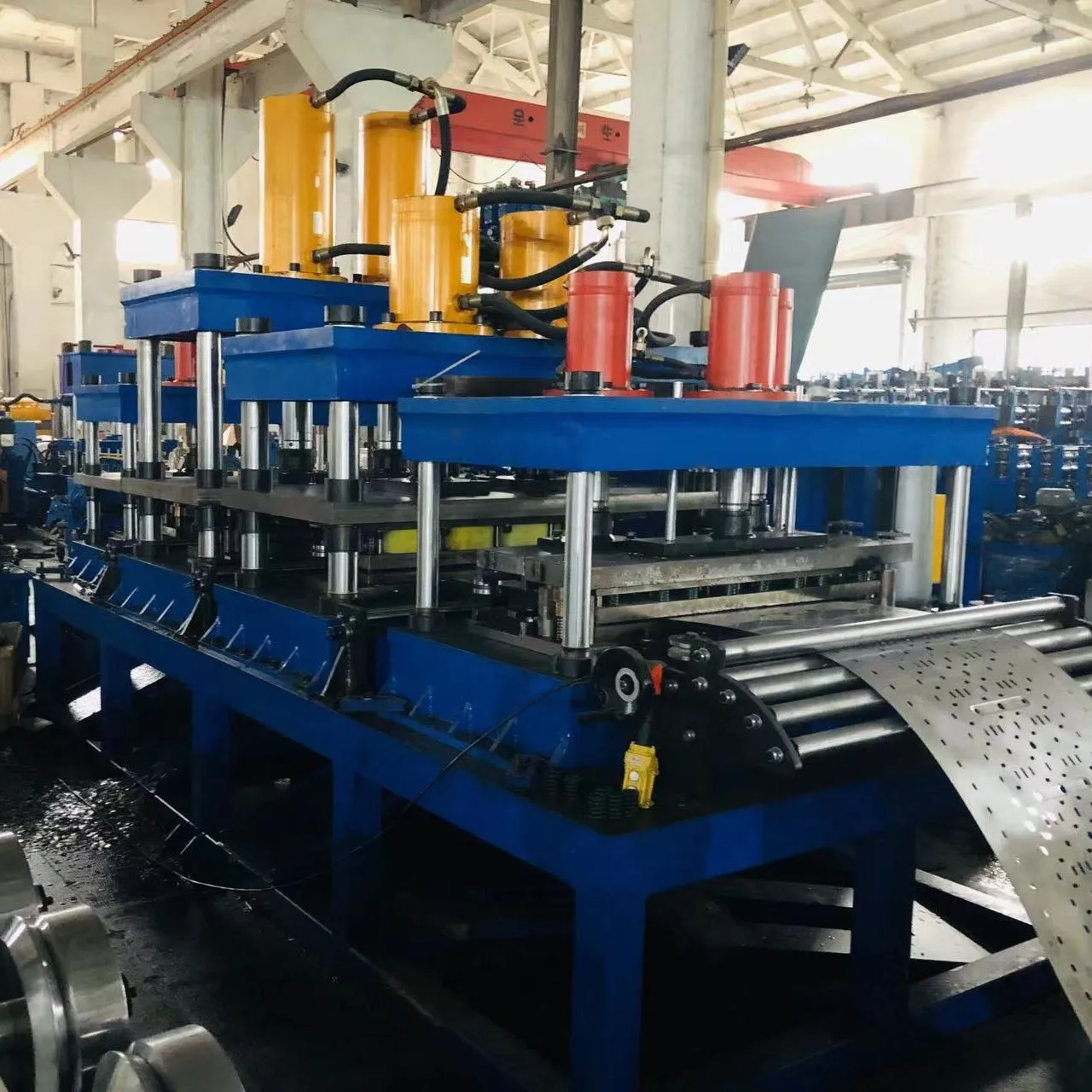
Customized Solutions and Application Case Studies
The versatility of an advanced cable tray manufacturing machine lies in its ability to offer customized solutions, meeting the unique demands of specific projects and industries. Manufacturers often work closely with clients to tailor machines for optimal performance.
Customization Options:
- Profile Design: Development of specific roll sets to produce unique cable tray profiles, including different edge returns, perforations, and structural reinforcements.
- Material Handling: Integration of specialized decoilers, flatteners, and feeders for exotic materials or extremely heavy coils.
- Integrated Processes: Addition of in-line notching, stamping, or even welding modules for producing complex components or accessories.
- Automated Packaging: Customized stacking, bundling, and wrapping systems to streamline the end-of-line process.
- Software Integration: PLC programming tailored to specific production requirements, data logging, and remote monitoring capabilities for Industry 4.0 environments.
Application Case Studies:
Case Study 1: Large-Scale Data Center Project (APAC Region)
A leading data center infrastructure provider required lightweight, high-capacity aluminum cable trays with specific perforation patterns for optimal thermal management and airflow. A customized Automatic Cable Tray Roll Forming Machine was supplied, capable of processing 1.5mm aluminum coils at 12 m/min, integrating precise punching for their unique ventilation design. The machine's high-speed production and material efficiency allowed the client to meet aggressive project timelines and achieve significant energy savings in their cooling infrastructure, alongside reduced operational costs. Customer feedback highlighted the exceptional dimensional accuracy and structural integrity of the produced trays.
Case Study 2: Petrochemical Plant Expansion (Middle East)
For an expansion of a major petrochemical facility, the need was for robust stainless steel (316L) ladder-type cable trays, designed to withstand extreme corrosive environments and heavy cable loads. A specialized cable tray making machine with reinforced roll stands and hardened tooling for stainless steel was provided. It featured an automated welding station for creating pre-fabricated ladder rungs, significantly reducing on-site installation time. The machine demonstrated exceptional reliability under continuous operation, proving its capability to produce materials meeting ISO and ANSI corrosion resistance standards, crucial for the plant's long-term operational safety and integrity.
Trustworthiness: FAQ, Lead Time, Warranty, and Support
Frequently Asked Questions (FAQ):
- Q: What types of cable trays can this machine produce?
- A: Our automatic cable tray roll forming machines are highly versatile and can produce various types, including perforated, ladder-type, solid-bottom, and slotted cable trays. Custom profiles can also be accommodated with specific tooling.
- Q: What is the typical lead time for a new machine?
- A: Standard configurations typically have a lead time of 60-90 days from order confirmation to shipment. Customized solutions may extend this to 120-150 days, depending on the complexity of engineering and component procurement.
- Q: Is installation and training included?
- A: Yes, we offer comprehensive on-site installation and operator training services by our experienced engineers to ensure smooth commissioning and efficient operation of the machine.
- Q: How does the machine ensure consistent product quality?
- A: Our machines utilize advanced CNC control systems, high-precision roll tooling, and robust structural designs. Integrated sensors and feedback loops continuously monitor critical parameters, ensuring consistent dimensional accuracy and profile integrity.
Lead Time and Fulfillment:
We understand the critical nature of project timelines. Our production process is streamlined to deliver machines efficiently. For standard cable tray manufacturing machine models, the typical lead time is 8-12 weeks. Custom or highly specialized configurations may require 14-20 weeks, including design, fabrication, testing, and final quality control. We maintain transparent communication throughout the manufacturing and shipping phases, providing regular updates to our clients.
Warranty Commitments:
All our Automatic Cable Tray Roll Forming Machines come with a comprehensive 12 to 24-month warranty on mechanical and electrical components, effective from the date of installation or shipment. This warranty covers manufacturing defects and component failures under normal operating conditions. Extended warranty options are also available to provide long-term peace of mind.
Customer Support and After-Sales Service:
Our commitment extends beyond the sale. We provide robust after-sales support to ensure the continuous and optimal performance of your cable tray roll forming machine. Services include:
- 24/7 Technical Assistance: Remote support via phone, email, and video conferencing for immediate troubleshooting.
- On-site Engineer Support: Deployment of skilled technicians for complex issues, preventive maintenance, or major repairs.
- Spare Parts Availability: A readily available inventory of genuine spare parts to minimize downtime.
- Preventive Maintenance Programs: Tailored service contracts to ensure your equipment operates at peak efficiency.
- Software Updates: Provision of system software updates to enhance functionality and performance.
Conclusion
The automatic cable tray manufacturing machine represents a cornerstone of modern industrial production, enabling the efficient and precise creation of essential cable management infrastructure. Its evolving capabilities, driven by automation, material science, and data integration, position it as a critical asset for manufacturers aiming for high-quality output, operational efficiency, and long-term cost-effectiveness. By understanding the detailed technical specifications, industry trends, and the value proposition of reliable manufacturers, businesses can make informed decisions that ensure safety, compliance, and superior performance in their cable tray production endeavors.
References
- NEMA VE 1-2017. Metal Cable Tray Systems. National Electrical Manufacturers Association.
- IEC 61537:2019. Cable management systems - Cable tray systems and cable ladder systems. International Electrotechnical Commission.
- Wang, P., & Zhang, H. (2018). Advanced roll forming technologies for complex profile parts in various industries. Journal of Materials Processing Technology, 252, 451-464.
- Sharma, M. K., & Gupta, P. K. (2020). Automated manufacturing systems: Concepts, design and applications. CRC Press.