
Precision Cut to Length Machine - High Speed & Accuracy
The Indispensable Role of Modern Cut-to-Length Machines in Industrial Processing
In the realm of advanced material processing, precision and efficiency are paramount. The modern cut to length machine stands as a cornerstone technology, enabling the transformation of coiled metal stock into precisely dimensioned sheets or blanks. This technology is critical across numerous industrial sectors, dictating the quality, speed, and cost-effectiveness of subsequent manufacturing operations. From massive steel coils weighing dozens of tons to delicate aluminum sheets, these sophisticated lines ensure that materials are prepared with exacting accuracy, minimizing waste and optimizing production flows. This article delves into the intricate world of cut-to-length technology, exploring its technical underpinnings, widespread applications, and the strategic advantages it offers to B2B decision-makers and engineering teams seeking to enhance their operational capabilities.
We will dissect the core components and operational sequences, highlight prevailing industry trends, and provide insights into vendor evaluation and the value of customized solutions. Understanding the capabilities and limitations of these machines is vital for any enterprise looking to maintain a competitive edge in material processing, ensuring both the integrity of their supply chain and the quality of their finished products.
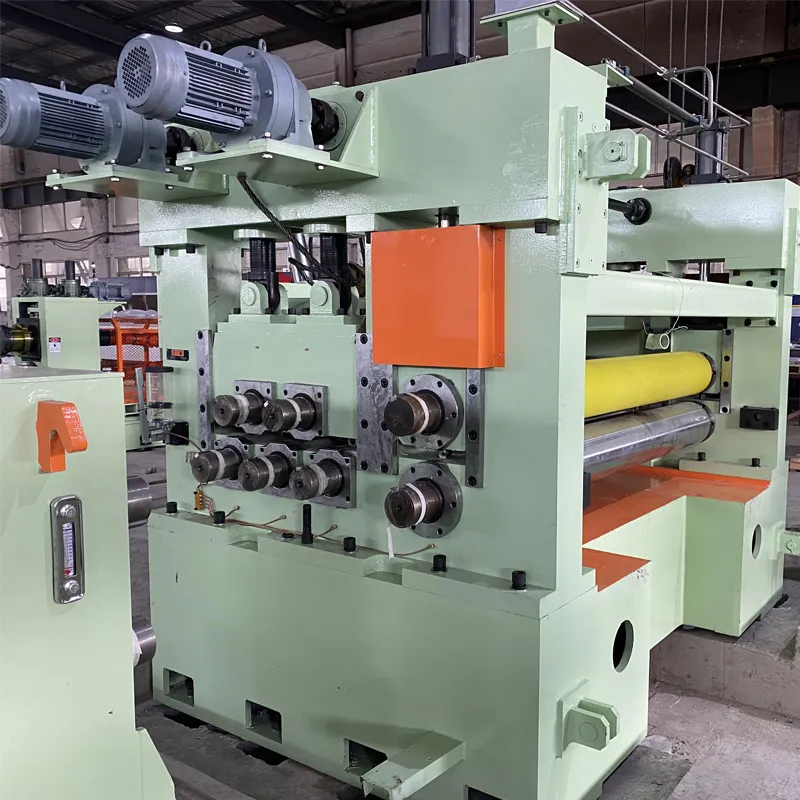
Current Industry Trends in Cut-to-Length Technology
The landscape for cut to length machine technology is continually evolving, driven by demands for higher precision, greater automation, and enhanced material versatility. Key trends shaping the market include:
- Advanced Automation and IoT Integration: Modern cut to length lines are increasingly equipped with sophisticated PLC controls, HMI interfaces, and real-time data acquisition capabilities. This allows for seamless integration into broader manufacturing execution systems (MES) and enterprise resource planning (ERP) platforms, facilitating predictive maintenance, optimized scheduling, and remote diagnostics. The adoption of Industry 4.0 principles is transforming traditional cut to length lines into intelligent, self-optimizing production units.
- Enhanced Precision and Tolerances: With advancements in servo-motor technology, vision systems, and sophisticated cutting mechanisms (e.g., rotary shears, flying shears), the achievable precision in length and squareness is reaching unprecedented levels. Tolerances of ±0.1mm are becoming standard for high-end applications, crucial for industries like automotive and aerospace where component fit-up is critical.
- Material Versatility: The ability to process a wider range of materials, from ultra-high-strength steel (UHSS) and stainless steel to delicate aluminum and exotic alloys, without compromising quality or requiring extensive retooling, is a significant trend. This necessitates more robust uncoiling, leveling, and shearing systems designed to handle diverse material properties and surface finishes.
- Energy Efficiency and Sustainability: Manufacturers are focusing on reducing the environmental footprint of their operations. New generations of cut to length lines incorporate energy-efficient drives, regenerative braking systems, and optimized power management, leading to significant reductions in operational costs and compliance with environmental regulations.
- Modular Design and Customization: To meet diverse customer requirements, modular designs are becoming more prevalent. This allows for easier scalability, maintenance, and the integration of specialized modules such as edge trimming, slitting, or protective film application, offering greater flexibility to end-users.
These trends underscore a move towards more intelligent, precise, and adaptable material processing solutions, directly impacting operational efficiency and product quality across various industries.
Technical Specifications and Key Parameters
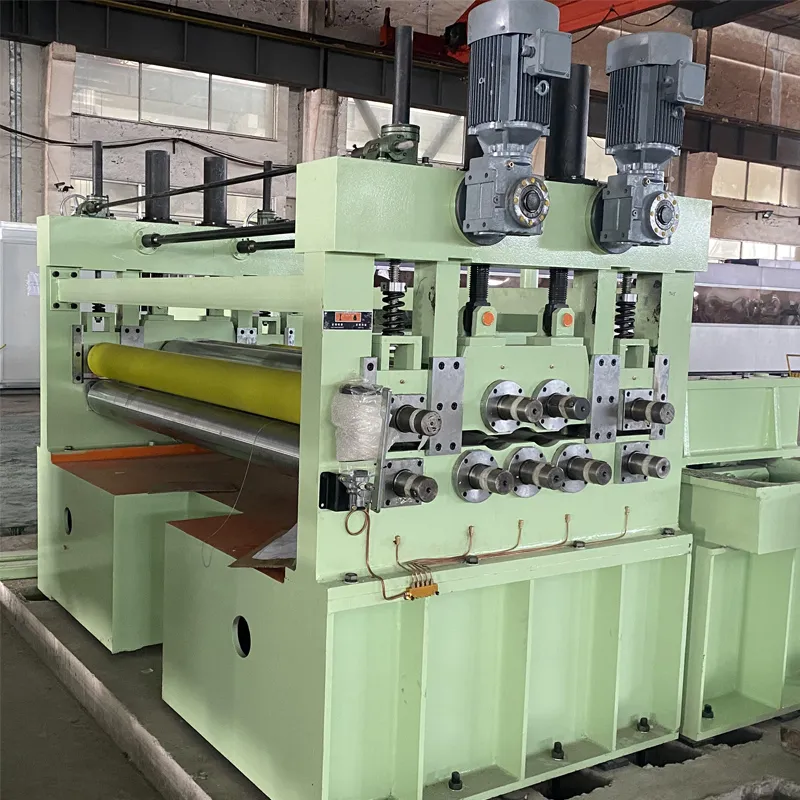
A cut to length line machine is a complex integration of mechanical, hydraulic, and electrical systems, each contributing to its overall performance. Understanding the key technical specifications is crucial for selecting the right equipment for specific manufacturing needs. Core components typically include:
- Decoiler (Uncoiler): Holds and unwinds the metal coil, often with hydraulic expansion and braking systems for tension control.
- Pinch Rolls & Feeder: Guides the material into the line and initiates the feeding process.
- Straightener/Leveler: Removes coil set and other material stresses, ensuring flatness. This is a critical component for achieving high-quality flat sheets.
- Loop Pit/Accumulator: Manages material flow and provides buffer for continuous operation during acceleration/deceleration.
- Measuring Rollers: Precisely track the length of material fed.
- Shearing Machine (Cutter): Cuts the material to the desired length. Types include flying shears, stop-start shears, and rotary shears, chosen based on speed and material requirements.
- Stacking Unit: Collects and stacks the cut sheets into neat bundles, often with automatic pallet changers.
Typical Product Specifications for a Medium-Duty CTL Machine
| Parameter | Specification |
|---|---|
| Material Thickness Range | 0.5 mm – 6.0 mm |
| Material Width Range | 600 mm – 1600 mm |
| Max. Coil Weight | 20,000 kg (20 Metric Tons) |
| Max. Coil O.D. | Φ1800 mm |
| Min. Coil I.D. | Φ508 mm |
| Cutting Length Range | 500 mm – 4000 mm (customizable) |
| Cutting Speed | Up to 40 meters/min (depending on material & length) |
| Length Accuracy | ±0.5 mm (for lengths |
| Diagonal Accuracy (Squareness) | ±1.0 mm/2000 mm |
| Leveling Rollers | 7-9 rolls, 4-high precision leveling |
| Drive System | AC Servo Motor (ABB/Siemens equivalent) |
| Control System | PLC with HMI Touch Screen |
These parameters are critical in determining the suitability of a cut to length machine for specific material types, production volumes, and end-product quality requirements.
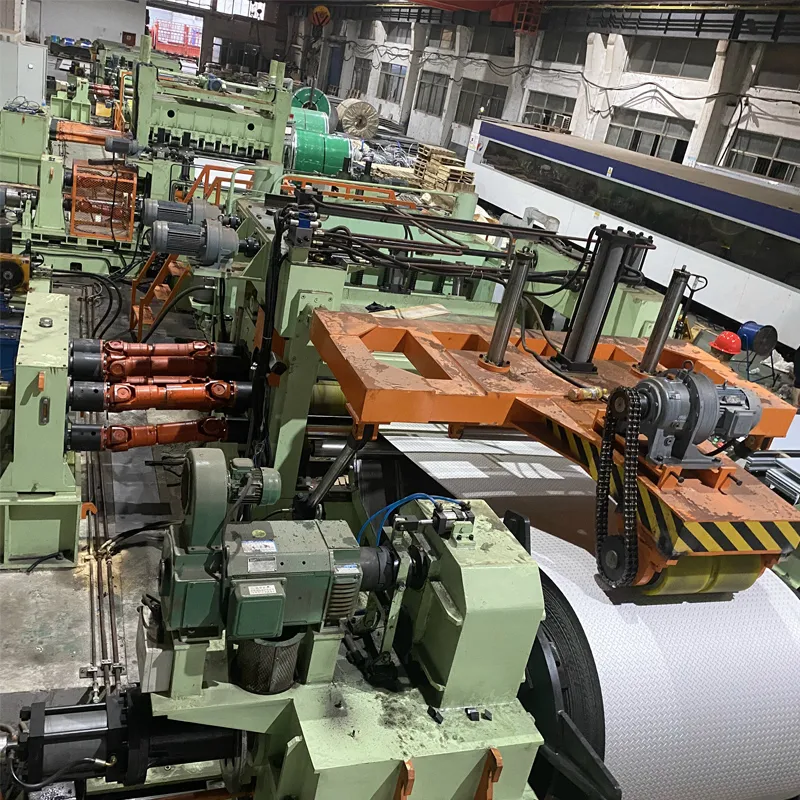
Manufacturing Process of a Cut-to-Length Machine
The construction of a high-performance cut to length machine is an intricate process demanding specialized engineering and manufacturing capabilities. It involves several critical stages to ensure durability, precision, and longevity.
Key Manufacturing Stages:
- Design and Engineering: Utilizing advanced CAD/CAM software (e.g., SolidWorks, AutoCAD), components are designed to meet stringent stress and deflection criteria. Finite Element Analysis (FEA) is often employed to optimize structural integrity and performance under operational loads.
- Material Selection:
- Frames and Housings: Typically fabricated from high-grade structural steel (e.g., S355JR, A36), often precision-welded and then stress-relieved to prevent distortion.
- Leveling Rolls: Forged from alloy steels (e.g., 42CrMo4, AISI 4140), then heat-treated (induction hardening) and precision-ground to achieve exceptional hardness (HRC 58-62) and surface finish. Chrome plating may be applied for enhanced wear resistance and corrosion protection.
- Shear Blades: Manufactured from specialized tool steels (e.g., D2, H13), hardened to HRC 60-62, and precision-ground for sharp, durable cutting edges.
- Shafts and Gearing: Forged from high-tensile alloy steels, machined, and heat-treated for strength and wear resistance.
- Fabrication and Machining:
- Casting: Large, complex components like certain gear housings or heavy machine bases might be cast from high-strength ductile iron or steel, followed by extensive machining.
- Forging: Critical components subject to high stress, such as shafts, leveling rolls, and some gear blanks, are forged to improve grain structure and mechanical properties.
- CNC Machining: Precision components, including leveling roll journals, bearing housings, and shear blade mounts, are machined using multi-axis CNC milling, turning, and grinding centers to achieve tight tolerances (e.g., ±0.01mm) and superior surface finishes.
- Assembly: Highly skilled technicians assemble mechanical, hydraulic, and electrical subsystems, ensuring precise alignment and functionality. Bearings, gears, and motors are installed with careful attention to lubrication and preload.
- Testing and Quality Assurance:
- Dimensional Inspection: All critical components and the final assembly are measured against design specifications using coordinate measuring machines (CMMs) and laser trackers.
- Functional Testing: The entire line undergoes rigorous dry cycling and wet testing with actual material to verify operational speeds, cutting accuracy, leveling performance, and system reliability.
- Standards Compliance: Adherence to international standards such as ISO 9001 (Quality Management), ANSI B11.1 (Machine Tool Safety), and CE certification (for European markets) is paramount, ensuring both product quality and operator safety.
- Surface Treatment and Finishing: Components undergo thorough cleaning, priming, and painting processes to ensure corrosion resistance and a durable, aesthetic finish suitable for industrial environments.
This meticulous manufacturing approach contributes to the exceptional service life of these machines, typically exceeding 15-20 years with proper maintenance, even under continuous heavy-duty operation.
Application Scenarios and Target Industries
The versatility and precision offered by a modern ctl machine make it indispensable across a broad spectrum of industries where metal coils need to be transformed into flat sheets or blanks. Its ability to handle diverse materials and dimensions positions it as a critical asset in various manufacturing processes.
Primary Target Industries:
- Automotive Industry: For producing vehicle body panels, structural components, and chassis parts from various steel grades (e.g., mild steel, high-strength low-alloy steel, aluminum alloys). Precision cutting ensures perfect fit-up for subsequent stamping and assembly.
- Construction and Building Materials: Manufacturing of roofing sheets, wall panels, metal studs, doors, and window frames from galvanized steel, pre-painted steel, or aluminum. The consistent quality of cut sheets is crucial for structural integrity and aesthetic finish.
- Appliance Manufacturing: Production of panels for refrigerators, washing machines, ovens, and other household appliances, often utilizing stainless steel or coated steel. The need for pristine surface finishes and tight dimensional control is paramount.
- Steel Service Centers: These centers purchase large coils from mills and process them into specific dimensions for various end-users. CTL lines are their core business, offering services to diverse clients without needing them to invest in their own coil processing equipment.
- HVAC (Heating, Ventilation, and Air Conditioning): Fabrication of ductwork, enclosures, and various sheet metal components from galvanized steel, aluminum, or stainless steel.
- Electrical Enclosures and Cabinets: Creating custom or standard panels and housings for electrical equipment, switchgear, and control systems.
- Shipbuilding and Marine Applications: Processing steel and aluminum plates for structural elements and decking. The corrosion resistance of selected materials is key in these environments.
Advantages in Typical Application Scenarios:
- Energy Saving: Modern CTL lines incorporate energy-efficient drives and intelligent control systems that optimize power consumption based on load, leading to reduced operational costs. For instance, servo-driven feeders consume power only when moving, unlike hydraulic systems that maintain constant pressure.
- Corrosion Resistance: While the machine itself is constructed with durable, often coated, components to resist corrosion in industrial environments, the primary advantage here lies in its ability to process materials like stainless steel or galvanized steel, which inherently offer superior corrosion resistance in the finished product, critical for industries such as petrochemical, water supply & drainage, and marine applications. This ensures the longevity and reliability of components used in harsh or sensitive environments.
- Reduced Material Waste: High precision cutting and optimized nesting algorithms within advanced control systems minimize scrap, which is particularly impactful when processing expensive materials.
- Improved Product Quality: Superior leveling capabilities eliminate coil set and internal stresses, resulting in flatter, more consistent sheets, which are easier to process in downstream operations.
- Increased Throughput and Productivity: Automated feeding, cutting, and stacking, coupled with high line speeds, significantly boost production capacity compared to manual or less advanced methods.
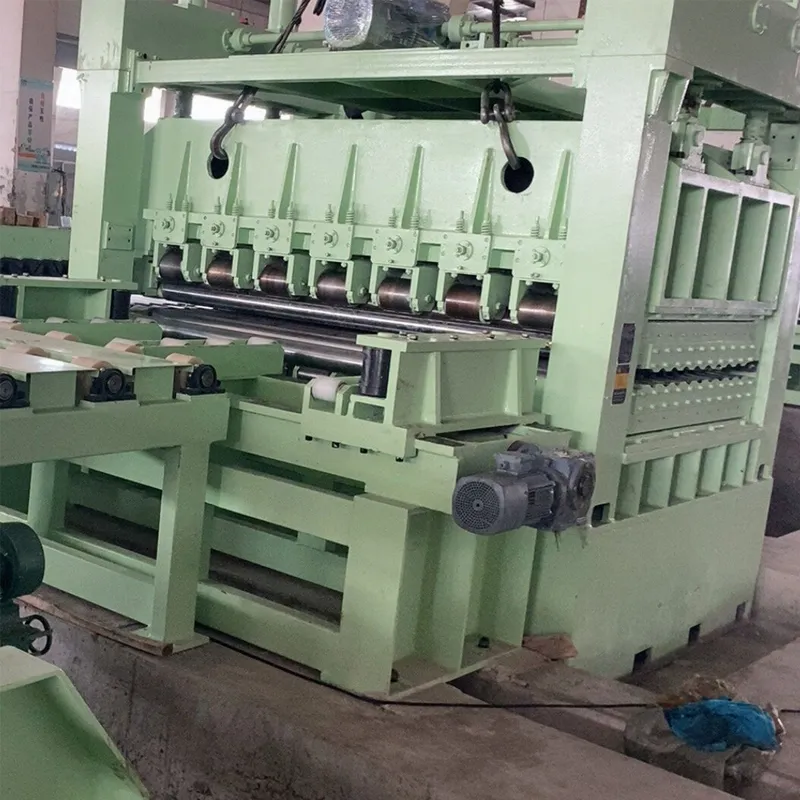
Technical Advantages of Advanced Cut-to-Length Lines
Modern advancements in cut to length machine technology have yielded significant operational and economic advantages for manufacturers. These systems are designed not just for processing speed, but for unparalleled accuracy, reliability, and cost-effectiveness.
- High-Precision Leveling Systems: Multi-roll levelers with back-up rolls and precise gap adjustment mechanisms effectively remove coil set, cross-bow, and edge wave, delivering sheets with flatness typically within I-Units of 5 or better (as per ASTM A480/A480M standards). This dramatically improves the quality of subsequent stamping, bending, or laser cutting operations.
- Dynamic Shearing Mechanisms: Flying shears, equipped with advanced servo drives and intelligent motion control, allow for continuous coil movement during cutting, drastically increasing throughput without sacrificing accuracy. For thicker materials, hydraulic stop-start shears offer immense cutting force with robust reliability.
- Integrated Edge Trimming and Slitting: Many advanced lines integrate edge trimmers to remove irregular coil edges, and sometimes even slitting units to produce multiple narrower strips simultaneously. This reduces the need for secondary operations and streamlines the production flow.
- Advanced Control Systems (PLC & HMI): Utilizing leading industrial automation platforms (e.g., Siemens, Rockwell, Mitsubishi), these systems offer intuitive interfaces, recipe management for different materials/products, diagnostic tools, and production data logging. This enhances operator control, minimizes setup times, and facilitates performance monitoring.
- Robust Construction for Durability: Engineering expertise is demonstrated in the machine's heavy-duty construction, employing thick steel plates for frames, precision-machined components, and high-quality bearings. This ensures long-term stability, minimal vibration, and extended service life even under continuous, high-volume production.
- Safety Features: Compliance with international safety standards (e.g., CE, OSHA) is a priority, incorporating features such as emergency stop buttons, light curtains, safety interlocks, and guarded moving parts to protect operators.
These technical advantages translate directly into lower operational costs, higher product quality, increased production capacity, and enhanced workplace safety, representing a substantial return on investment for industrial stakeholders.
Vendor Comparison and Selection Criteria
Selecting the right supplier for a cut to length line is a strategic decision that impacts long-term operational efficiency and profitability. A comprehensive evaluation involves more than just initial cost; it requires assessing technical capabilities, support infrastructure, and proven track record. Here's a comparative look at key considerations:
Key Vendor Comparison Factors:
| Feature/Criterion | Vendor A (Premium) | Vendor B (Mid-Range) | Vendor C (Economy) |
|---|---|---|---|
| Material Handling Capacity | Up to 30T, 2200mm width, 16mm thickness, UHSS capability. | Up to 20T, 1600mm width, 6mm thickness, mild/stainless steel. | Up to 10T, 1300mm width, 3mm thickness, mild steel. |
| Cutting Speed & Accuracy | 80m/min, ±0.1mm length, ±0.5mm/2000mm diagonal. Flying shear. | 40m/min, ±0.5mm length, ±1.0mm/2000mm diagonal. Stop-start shear. | 25m/min, ±1.0mm length, ±1.5mm/2000mm diagonal. Mechanical shear. |
| Leveling Technology | Precision 4-high, Cassette-type, 17-21 rolls, I-Units <3. | Standard 4-high, 7-9 rolls, I-Units <5. | Simple 2-high, 5-7 rolls, I-Units <8. |
| Automation & Control | Full PLC/HMI, remote diagnostics, MES integration, brand-name components (Siemens, Rockwell). | PLC/HMI, basic fault diagnosis, standard components. | Basic relay control, push-buttons, limited diagnostics. |
| Customization Options | Extensive, modular design, integration with existing lines, specialized features (e.g., coating, slitting). | Moderate, some configurable modules, basic material handling. | Limited, mostly standard configurations. |
| After-Sales Support | Global network, 24/7 remote/on-site support, extensive spare parts. | Regional service, scheduled on-site support, common spare parts. | Local agents, limited on-site, user-sourced parts. |
| Price Range (Indicative) | $$$$$ | $$$ | $ |
When evaluating vendors, consider their years of service, specific product certifications (e.g., ISO, CE), and a portfolio of partner clients. Reputable manufacturers often provide test data and detailed chart-based analysis of their machine's performance, which can be invaluable in making an informed decision. Furthermore, inquiries into their R&D investments and commitment to technological innovation can indicate their future reliability and product evolution.
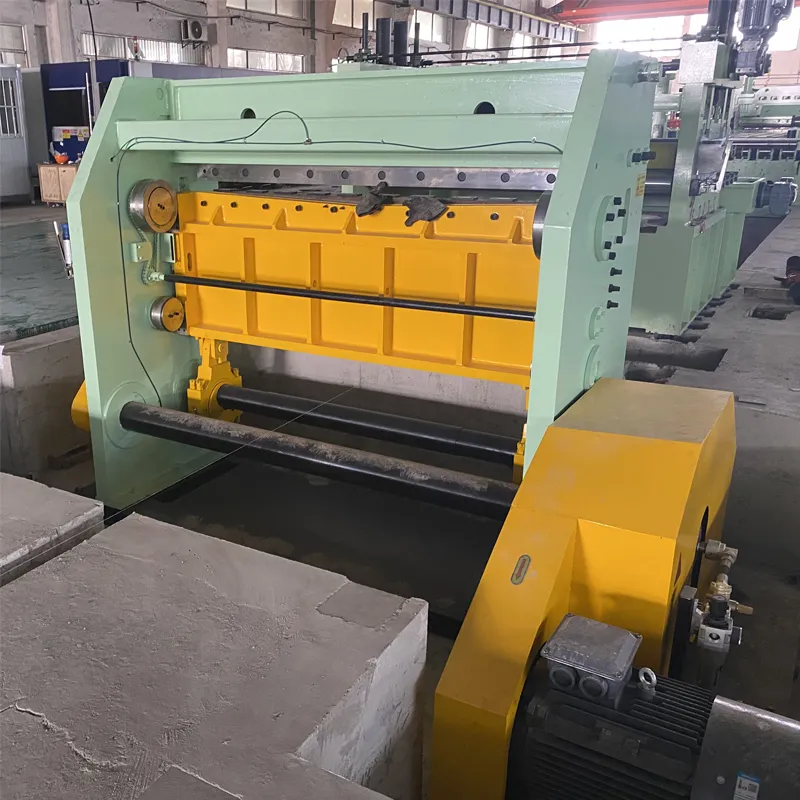
Customized Solutions and Engineering Expertise
While standard cut to length machine configurations serve a wide range of applications, many industrial operations require bespoke solutions tailored to unique production demands, material characteristics, or factory layouts. The ability of a vendor to provide robust customized engineering is a key differentiator.
Customization can encompass various aspects:
- Material-Specific Adaptations: For example, lines designed exclusively for highly polished stainless steel might feature specialized non-marring roll surfaces, protective film applicators, and vacuum stacking systems. Similarly, heavy-gauge lines for shipbuilding steel will have reinforced frames and higher capacity hydraulic systems.
- Coil Handling Optimization: Custom decoilers for extremely large or small coil diameters, specialized coil cars for limited space, or multi-mandrel systems for rapid coil changes.
- Integrated Downstream Processes: Direct integration with punching, blanking, laser cutting, or roll forming lines, eliminating intermediate handling and significantly reducing cycle times. This requires seamless communication protocols between different machinery.
- Space Constraints: Designing compact or reconfigured line layouts to fit within existing factory footprints, sometimes involving pit-mounted components or overhead material transfer systems.
- Advanced Control and Data Integration: Developing custom software modules for specific production tracking, quality control, or integration with proprietary MES/ERP systems.
- Environmental Adaptations: Machines designed for extremely hot, cold, dusty, or corrosive environments require special materials, sealing, and climate control systems for electrical enclosures.
A vendor's engineering team should engage in detailed consultations, conduct site surveys, and leverage their expertise to propose solutions that not only meet the immediate production requirements but also offer flexibility for future expansion. This collaborative approach ensures that the investment in a customized cut-to-length solution delivers maximum strategic value.
Application Case Studies
Real-world implementations highlight the transformative impact of well-engineered cut to length machine solutions. These examples demonstrate the tangible benefits in terms of efficiency, quality, and cost savings.
Case Study 1: Automotive Stamping Plant Upgrade
A leading automotive component manufacturer faced challenges with material flatness and cutting accuracy using their aging CTL line, leading to significant scrap rates and inconsistent part quality in their stamping operations. They invested in a new, high-precision CTL line featuring a 4-high precision leveler with automatic roll-gap adjustment and a high-speed flying shear. The new line was designed to handle various grades of advanced high-strength steels (AHSS) and aluminum alloys up to 4mm thick.
- Results: Scrap rates due to flatness issues were reduced by 65%. Line speed increased by 30%, resulting in a 25% boost in overall daily blank production. The consistent material quality also extended die life in subsequent stamping operations by 15%, demonstrating significant long-term savings.
Case Study 2: Steel Service Center Expansion
A regional steel service center sought to expand its capacity to process heavy-gauge structural steel for the construction and heavy equipment sectors. They required a robust cut to length machine capable of handling coils up to 25 metric tons, with material thicknesses up to 12mm. The chosen solution included a heavy-duty decoiler with a robust snubber roll, a powerful 7-roll precision leveler, and a hydraulic stop-start shear with high cutting force. The system was integrated with a custom heavy-duty stacking and bundling system.
- Results: The service center successfully entered new markets for heavy-gauge materials. Throughput for thick plates increased by 40%, and the system's ability to maintain tight length tolerances (
Trustworthiness & Support
Investing in a sophisticated cut to length machine necessitates confidence in the supplier's commitment to quality, service, and long-term support. Transparency in operations, certifications, and comprehensive after-sales care are paramount for building trust with B2B clients.
Frequently Asked Questions (FAQ)
-
Q1: What is the typical lead time for a custom cut to length line?
A1: Lead times can vary significantly based on complexity and customization. Standard lines typically range from 3-6 months, while highly customized or heavy-duty lines may require 8-12 months for design, manufacturing, and testing. -
Q2: What kind of warranty is offered on your cut to length machines?
A2: We typically offer a standard 12-month warranty from the date of commissioning or 18 months from shipment, whichever comes first. This covers manufacturing defects and component failures under normal operating conditions. Extended warranty options are available. -
Q3: Do you provide installation and commissioning services?
A3: Yes, our experienced engineering team provides comprehensive installation supervision, commissioning, and operational training services on-site to ensure optimal performance and smooth integration into your facility. -
Q4: What are your after-sales support capabilities?
A4: We offer multi-tiered after-sales support including remote diagnostics, phone and email support, scheduled maintenance programs, and rapid response for on-site technical assistance. We maintain a comprehensive inventory of critical spare parts for quick delivery.
Lead Time & Fulfillment
Our lead times are carefully managed through a structured project management process, from initial consultation and design freeze to manufacturing, rigorous quality control, and final shipment. We prioritize transparent communication regarding project milestones and delivery schedules, ensuring that our clients are kept informed at every stage. Typical fulfillment includes factory acceptance testing (FAT), secure packaging, international logistics coordination, and on-site commissioning.
Warranty Commitments
Our commitment to quality is underscored by robust warranty policies. Beyond the standard warranty, we offer preventative maintenance contracts and service agreements to ensure the long-term reliability and peak performance of your investment. All major components from reputable international brands (e.g., Siemens, SKF, Rexroth) carry their respective manufacturer's warranties, which are fully supported.
Customer Support Information
Our dedicated customer support team is available to assist with technical queries, spare parts inquiries, and service requests. We pride ourselves on rapid response times and expert problem-solving. Clients also benefit from comprehensive operation manuals, detailed parts catalogs, and access to online technical resources. Our extensive experience, spanning over two decades in the coil processing industry, combined with ISO 9001 certification, assures clients of our unwavering commitment to product excellence and customer satisfaction.
Conclusion
The strategic integration of a high-performance cut to length machine is more than just an equipment purchase; it is an investment in the precision, efficiency, and competitive edge of any material processing operation. As industries continue to demand tighter tolerances, greater material versatility, and higher throughput, the evolution of cut-to-length technology will remain central to modern manufacturing. By understanding the intricate technical specifications, process flows, and the comprehensive support systems offered by reputable vendors, businesses can make informed decisions that drive sustainable growth and operational excellence. The future of coil processing is undoubtedly characterized by further automation, intelligent systems, and adaptive capabilities, ensuring that these machines remain at the forefront of industrial innovation.
References
- American Society for Testing and Materials (ASTM) Standards. ASTM A480/A480M: Standard Specification for General Requirements for Flat-Rolled Stainless and Heat-Resisting Steel Plate, Sheet, and Strip.
- International Organization for Standardization (ISO). ISO 9001: Quality management systems – Requirements.
- American National Standards Institute (ANSI). ANSI B11.1-2009 (R2019): Safety Requirements for Mechanical Power Presses.
- Metals Industry Research and Development Centre. "Advances in Coil Processing Technology for High-Strength Steels." Journal of Manufacturing Technology, Vol. 45, No. 3, 2021.
- European Committee for Standardization (CEN). CE Marking Directives for Machinery Safety (e.g., 2006/42/EC).