
Precision Post Roll Forming Machine | Efficient & Durable Steel Profiles
Introduction to the Advanced post roll forming machine
In modern industrial fabrication, precision and efficiency are paramount. The post roll forming machine stands as a cornerstone technology, particularly in the production of specialized profiles like fence uprights, commonly known as peach posts. This sophisticated equipment transforms flat sheet metal into complex cross-sectional shapes through a continuous cold-forming process, offering unparalleled advantages in terms of accuracy, material utilization, and production speed. As a critical component in the supply chain for construction, agriculture, and security infrastructure, understanding its operational intricacies, technical capabilities, and strategic deployment is essential for B2B decision-makers and engineering professionals.
This article delves into the comprehensive aspects of advanced roll forming solutions, focusing on the Peach Post (Fence Upright) Roll Forming Machine. We will explore the latest industry trends, detailed technical specifications, diverse application scenarios, and the inherent technical advantages these machines offer. Furthermore, we will provide insights into vendor selection, custom engineering solutions, and illustrate real-world application case studies to underscore their strategic value.
Industry Trends in Roll Forming Technology
The roll forming industry is experiencing significant evolutionary shifts driven by demands for higher precision, increased automation, and greater material versatility. Current trends highlight a move towards integrated manufacturing systems, predictive maintenance, and sustainable production practices.
- Automation and Industry 4.0 Integration: Modern sheet metal roll forming machines are increasingly equipped with advanced PLC control systems, HMI interfaces, and real-time monitoring capabilities. This integration facilitates remote diagnostics, data-driven optimization, and seamless integration into broader smart factory ecosystems.
- High-Strength Material Processing: As industries demand stronger yet lighter components, roll formers are being engineered to handle high-strength low-alloy (HSLA) steels and advanced high-strength steels (AHSS), necessitating more robust tooling and precise forming strategies.
- Energy Efficiency: Innovations in servo motor technology and hydraulic systems are leading to more energy-efficient machines, reducing operational costs and environmental impact, a crucial factor for a sustainable roll forming machine supplier.
- Customization and Flexibility: Manufacturers require machines capable of quick profile changes and adaptable tooling to meet diverse product specifications without extensive downtime, enhancing the versatility of any steel roll former.
- Enhanced Safety Standards: Adherence to international safety standards (e.g., CE, OSHA) is becoming more stringent, leading to features like fully enclosed designs, emergency stops, and advanced sensor technology to protect operators.
These trends collectively push the boundaries of what a post roll forming machine can achieve, enabling manufacturers to produce higher quality, more complex profiles at unprecedented speeds and efficiencies.
Understanding the post roll forming machine: Technical Specifications
The Peach Post (Fence Upright) Roll Forming Machine is engineered for the precise and high-volume production of unique fence post profiles. Its design incorporates several critical components, each contributing to the overall operational excellence and product quality. Key components typically include:
- Decoiler/Uncoiler: Manages the raw material coil, ensuring smooth and controlled feeding into the system. Options include manual, hydraulic, or automatic types, crucial for maintaining tension and preventing material damage.
- Feeding and Guiding System: Ensures the strip is accurately aligned and fed into the first forming station, preventing misalignment and ensuring consistent profile integrity.
- Leveling/Straightening Unit: Essential for correcting any curvature or unevenness in the raw material, guaranteeing a flat, consistent strip for the roll forming process.
- Main Roll Forming Stations: A series of precision-engineered rollers gradually form the metal strip into the desired peach post profile. The number of stations varies based on profile complexity and material thickness, typically ranging from 12 to 24 passes.
- Punching Unit (Optional): Integrated for pre-punching holes or slots into the strip before forming, common for mounting points on fence posts. This can be hydraulic or pneumatic.
- Cutting Device: A hydraulic or servo-driven flying shear system performs precise, burr-free cuts to the specified length without stopping the machine, optimizing production speed.
- Output Table/Stacker: Collects and stacks the finished peach posts, often with automated counting and bundling features.
- PLC Control System: The brain of the operation, managing speed, length, batch quantity, and integrating safety features, providing full control and diagnostic capabilities via an HMI touchscreen.
Table 1: Key Technical Parameters of a Typical Peach Post Roll Forming Machine
| Parameter | Specification Range |
|---|---|
| Material Thickness | 0.8 mm - 3.0 mm (Galvanized Steel, Cold Rolled Steel) |
| Material Width | Max 500 mm (Pre-cut or coil dependent) |
| Forming Speed | 10-25 m/min (Adjustable based on profile complexity) |
| Number of Forming Stations | 14-24 groups (Depending on post profile) |
| Roller Material | Cr12Mov (SKD11 equivalent), Quenched and Hardened HRC58-62 |
| Main Motor Power | 7.5 kW - 15 kW (Varies with machine size) |
| Cutting System | Hydraulic Flying Saw/Shear (Cr12Mov blade) |
| Control System | Panasonic/Siemens PLC with Touch Screen HMI |
| Machine Dimensions (L x W x H) | Approx. 8m-12m x 1.5m x 1.5m |
| Total Weight | Approx. 8-15 Tons |
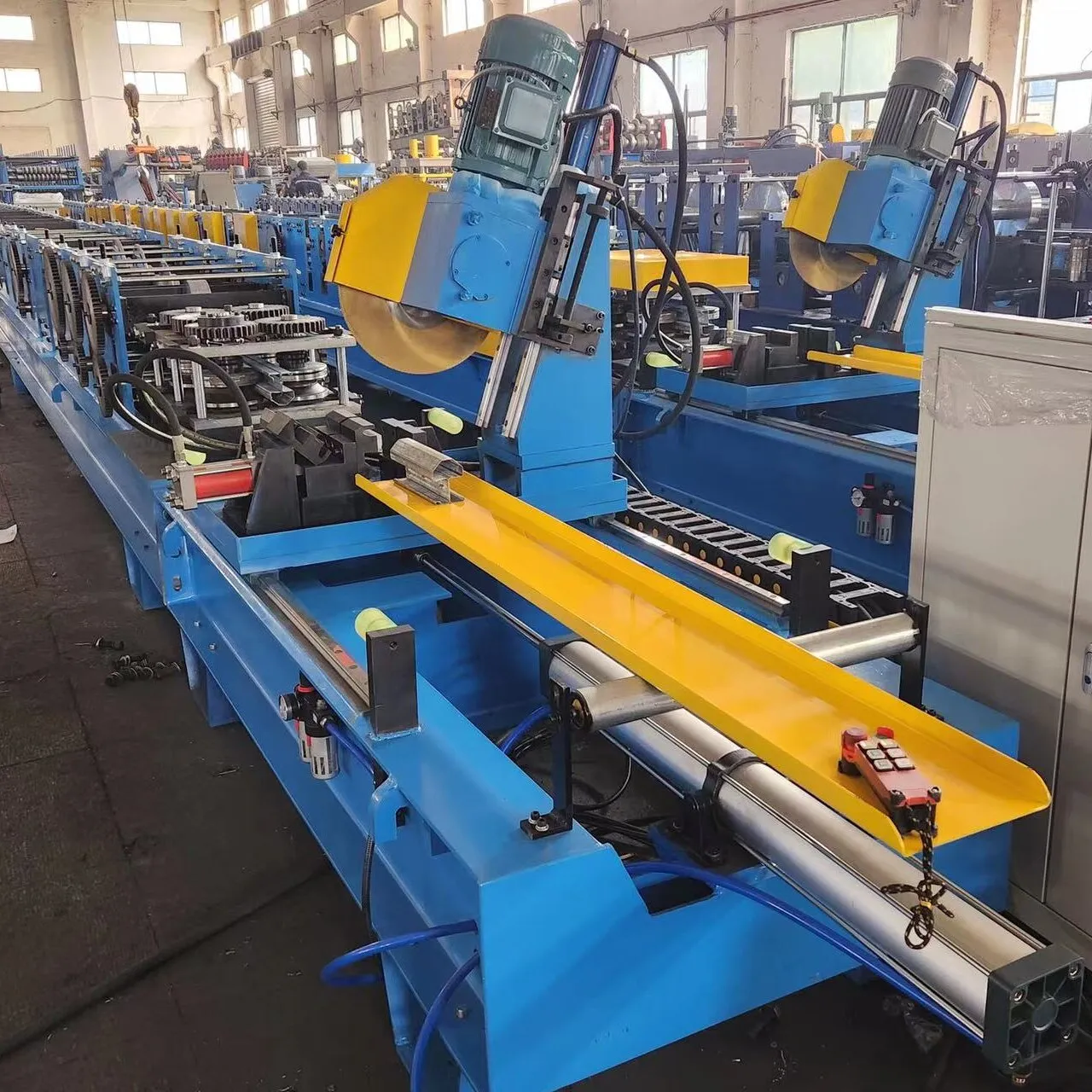
Figure 1: High-precision forming rollers for a post roll forming machine.
The Manufacturing Process Flow for a Steel post roll forming machine
The production of peach posts via a post roll forming machine follows a meticulously engineered sequence, ensuring precision, consistency, and structural integrity.
- Raw Material Preparation: High-quality coil stock, typically galvanized steel (e.g., DX51D, S250GD+Z), pre-painted steel, or sometimes stainless steel (e.g., 304, 316), is selected based on the fence post's required strength, corrosion resistance, and aesthetic finish. Coil thickness and width are precisely matched to machine specifications. These materials are chosen for their excellent formability and long service life, often exceeding 20 years in typical outdoor conditions due to inherent corrosion resistance.
- Decoiling and Feeding: The steel coil is loaded onto a decoiler, which unwinds the material smoothly. The leading edge of the strip is then fed into a guiding mechanism that ensures accurate alignment into the subsequent stages.
- Leveling/Straightening: The steel strip passes through a leveling unit to remove any coil set or imperfections, guaranteeing a perfectly flat material for the forming process, which is crucial for uniform profiles.
- Pre-Punching (Optional): If the peach post requires pre-drilled holes for fence attachment or specific indentations, an inline hydraulic punching unit can perform these operations with high precision before the forming process begins.
- Roll Forming: This is the core stage. The flat strip progressively moves through a series of geometrically designed roller dies. Each set of rollers incrementally bends the metal, gradually shaping it into the final peach post profile. The rollers are typically made from hardened tool steel (e.g., Cr12Mov, 42CrMo), precision CNC machined, and heat-treated to HRC 58-62 to ensure durability and prevent wear, thus maintaining high product quality over millions of cycles.
- Cutting-to-Length: Once the profile is fully formed, a hydraulic flying shear or saw cuts the continuous profile to the programmed length. The "flying" nature ensures continuous production without stopping the main machine, maximizing throughput.
- Collection and Stacking: The cut posts are then guided onto an output table or an automatic stacker, where they are collected, counted, and prepared for further processing or packaging.
- Quality Control and Testing: Throughout the process, quality checks are performed, focusing on dimensional accuracy, profile integrity, cut quality, and surface finish. Finished products typically adhere to international standards like ISO 9001 for manufacturing quality and sometimes specific standards for structural integrity (e.g., ASTM A653 for galvanized steel). Performance testing might include salt spray tests for corrosion resistance and load-bearing tests for structural applications.
This meticulous process ensures that each peach post meets stringent quality requirements, making them ideal for target industries such as infrastructure (roadside barriers), agriculture (vineyard trellises), security (perimeter fencing), and general construction. Advantages in these scenarios include energy-saving through efficient cold forming (no heating required), superior corrosion resistance due to material choice (e.g., galvanized steel), and significant labor cost reductions compared to traditional fabrication methods.
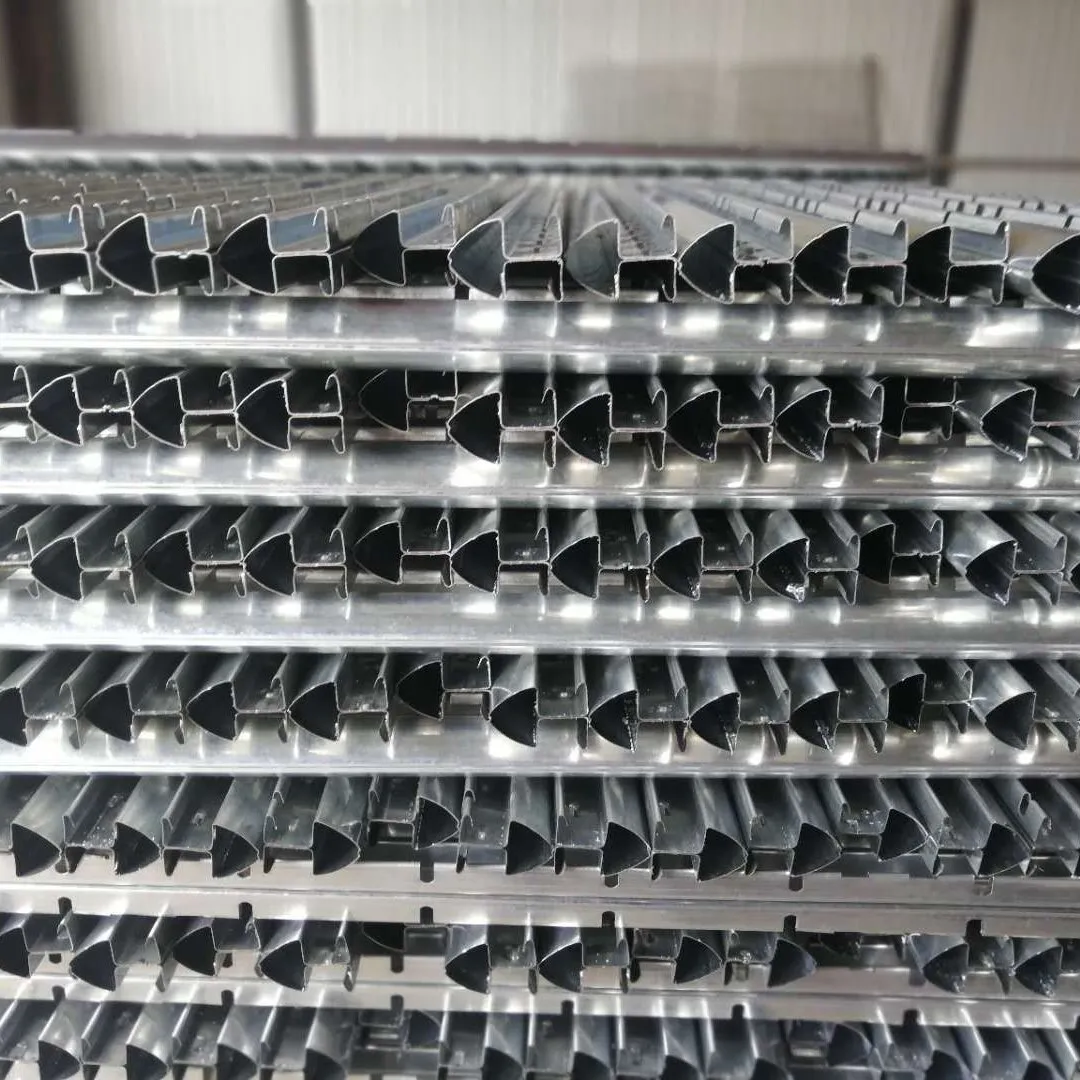
Figure 2: The complete workflow of a modern post roll forming machine from coil to finished product.
Application Scenarios and Target Industries
The versatility and structural efficiency of roll-formed profiles make the post roll forming machine indispensable across a wide spectrum of industries. Its ability to produce high-strength, lightweight, and precise components at scale drives its adoption in critical applications.
Key Application Areas:
- Fencing and Security: The primary application for a Peach Post Roll Forming Machine is the mass production of fence uprights for various security, perimeter, and agricultural fencing solutions. These posts offer superior rigidity and aesthetic appeal, making them popular in residential, commercial, and industrial settings.
- Infrastructure Projects: Profiles for guardrails, cable trays, and structural supports in transportation and utility sectors. The consistent quality and high material strength are crucial for safety-critical components.
- Agriculture: Vineyard and orchard trellising systems, greenhouse structures, and animal containment fencing benefit from the durable, corrosion-resistant profiles. For instance, galvanized peach posts offer extended service life in harsh outdoor agricultural environments.
- Construction: Lightweight structural elements, studs, tracks, purlins, and girts for pre-engineered buildings and residential construction. While a dedicated roof roll forming machine focuses on roofing panels, the underlying technology for structural components is shared.
- Solar Energy: Support structures for solar panels, particularly in large-scale solar farms, where the ability to produce long, strong, and corrosion-resistant members economically is a significant advantage.
Target Industries:
- Construction & Building Materials: Supplying components for residential, commercial, and industrial structures.
- Agriculture & Horticulture: Providing durable fencing and support systems.
- Security Solutions: Manufacturing robust fence posts for enhanced security perimeters.
- Mining & Metallurgy: Components for specialized structures in harsh environments.
- Water Supply & Drainage: Channels and support elements requiring corrosion resistance.
Our clients, ranging from national infrastructure contractors to specialized fencing manufacturers, consistently report enhanced productivity and reduced material waste after integrating our advanced roll forming solutions. For example, a major fencing supplier reported a 30% increase in output and a 15% reduction in scrap material within the first year of deploying a custom post roll forming machine, significantly improving their bottom line.
Technical Advantages of Advanced post roll forming machine Systems
Modern post roll forming machine technology offers distinct technical advantages that set it apart from traditional metal fabrication methods, directly impacting product quality, production efficiency, and overall cost-effectiveness.
- Superior Dimensional Accuracy: Roll forming achieves exceptionally tight tolerances, often +/- 0.5 mm or better, over long lengths. This precision is critical for components that require exact fit-up, such as fence post assemblies where multiple components must align perfectly.
- High Production Efficiency: Unlike press braking or stamping, roll forming is a continuous process. A modern machine can produce profiles at speeds of 10-25 meters per minute, translating to significantly higher throughput and lower per-unit costs for high-volume production.
- Optimized Material Utilization: The cold forming process minimizes material waste. Scrap rates are often less than 2%, as the material is progressively shaped rather than cut away. This leads to substantial cost savings, particularly with expensive materials.
- Enhanced Structural Integrity: Cold working during the roll forming process can increase the yield strength of the steel, resulting in a stronger finished product compared to profiles formed by other methods. This work hardening contributes to the durability and service life of components like fence posts.
- Versatility in Profile Design: While specialized for peach posts, the underlying roll forming technology allows for complex and intricate profiles to be consistently reproduced. This opens possibilities for designing innovative post designs with integrated features, improving functionality and reducing assembly steps.
- Consistency and Repeatability: Once the machine is set up, it produces identical parts batch after batch, ensuring unwavering product quality and interchangeability – a hallmark of reliability for any roll forming machine supplier.
- Lower Operating Costs: Compared to hot forming, cold roll forming consumes less energy. The high degree of automation also reduces labor costs per unit, contributing to a lower overall total cost of ownership.
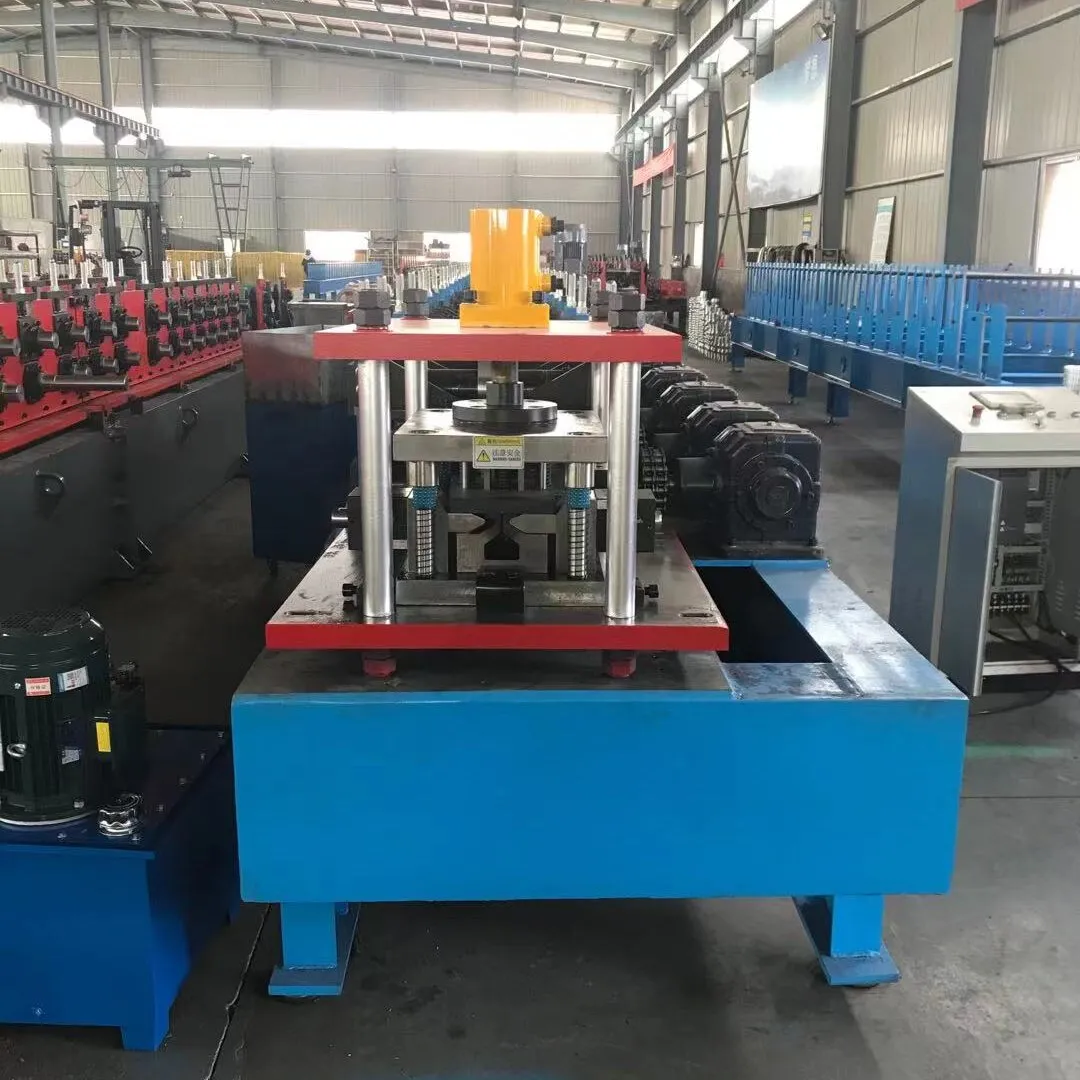
Figure 3: Close-up of the precision roll forming stations ensuring profile integrity.
Vendor Comparison: Selecting a Reliable roll forming machine supplier
Choosing the right roll forming machine supplier is a strategic decision that impacts long-term operational success and return on investment. It's not merely about the initial purchase price but encompasses the vendor's expertise, product quality, and post-sales support.
Key Evaluation Criteria:
- Experience and Reputation: A supplier with a proven track record (e.g., 10+ years in the industry) and positive customer testimonials indicates reliability and deep market understanding. Look for suppliers with a history of innovation in sheet metal roll forming machines.
- Engineering and R&D Capabilities: Assess the vendor's ability to design custom profiles, offer advanced technical solutions, and incorporate the latest automation technologies. This ensures the machine can evolve with market demands.
- Component Quality: Scrutinize the quality of critical components like rollers, bearings, motors (e.g., Siemens, Schneider), and PLC systems (e.g., Panasonic, Mitsubishi). High-quality components translate to longer machine life and reduced maintenance.
- After-Sales Support and Service: Crucial for minimizing downtime. Evaluate the availability of spare parts, technical support (on-site or remote), and training programs for your operators.
- Certifications and Standards: A reputable supplier should adhere to international quality management systems (e.g., ISO 9001) and product safety standards (e.g., CE marking).
- Customization Options: The ability to tailor the post roll forming machine to specific profile dimensions, material types, and production capacities is a significant advantage.
Table 2: Comparative Analysis of Roll Forming Machine Suppliers (Illustrative)
| Feature/Criterion | Leading Manufacturer (e.g., Yowin Machine) | Standard Competitor |
|---|---|---|
| Years in Business | 15+ years specializing in roll forming | 5-10 years, diversified machinery |
| R&D Investment | High, continuous innovation in design and automation | Moderate, focus on replicating existing designs |
| Component Sourcing | Premium global brands (Siemens, Panasonic, etc.) | Mix of local and international, cost-driven |
| Customization Capability | Extensive, from profile design to integrated lines | Limited to basic parameter adjustments |
| After-Sales Support | Global network, 24/7 online, on-site installation & training | Regional support, slower response times |
| Warranty | 2-year comprehensive, lifetime technical support | 1-year standard warranty |
| Certifications | ISO 9001, CE Certified, SGS Verified | Basic local certifications |
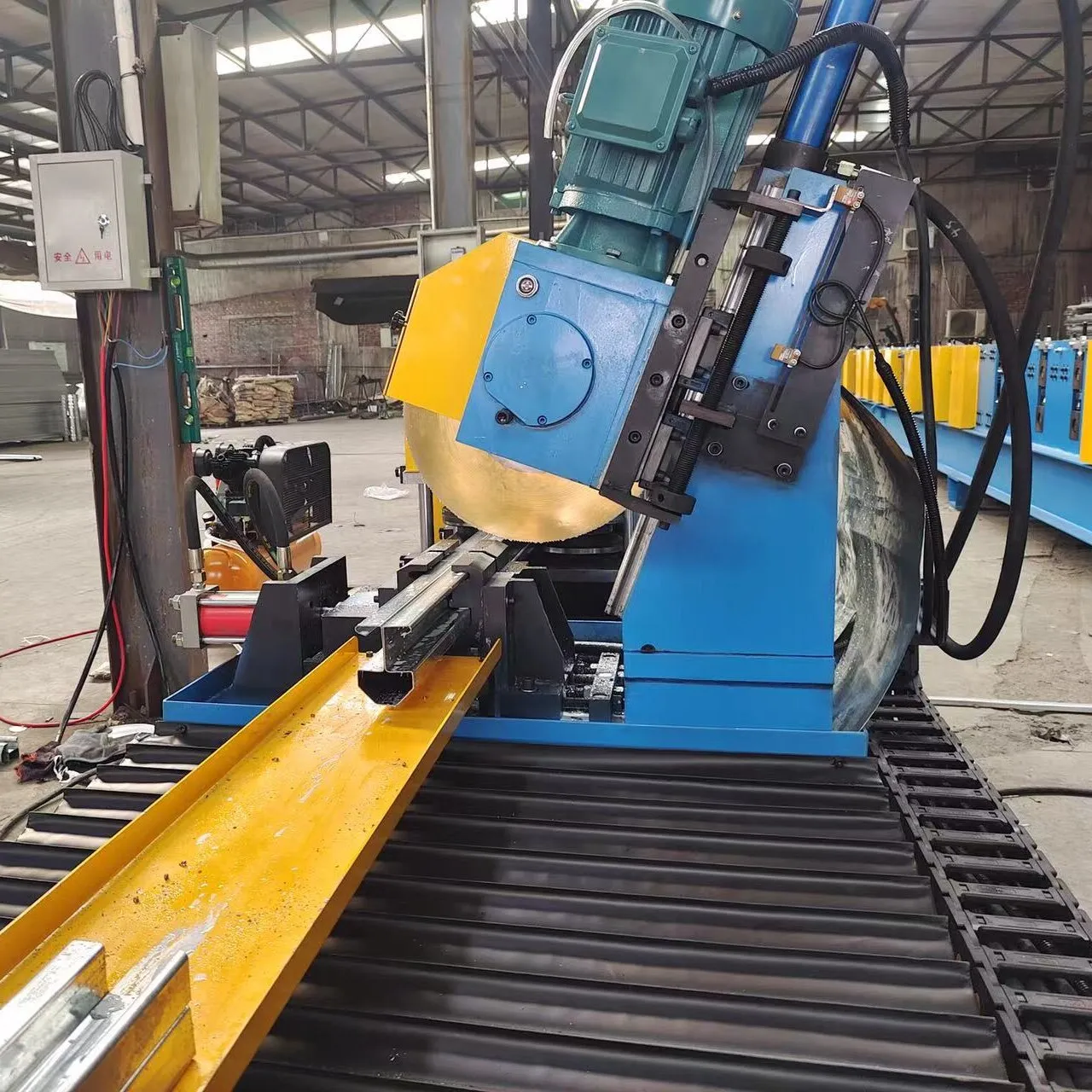
Figure 4: A comprehensive steel roll former solution from a leading supplier.
Customized Solutions for Specialized Requirements
While standard post roll forming machine configurations cater to common needs, many B2B clients require tailored solutions to achieve specific product characteristics, optimize production flow, or integrate with existing factory infrastructure. A highly competent roll forming machine supplier excels in providing such bespoke engineering.
- Profile Design and Tooling: Customization often begins with the unique profile geometry. Our engineering team collaborates closely with clients to develop optimized roll designs, ensuring the desired aesthetic and structural properties while accounting for material spring-back and forming stresses. This includes designing specific tooling for peach posts with unique ribbing or mounting features.
- Material Flexibility: Machines can be customized to handle a wider range of materials, including different grades of galvanized steel, high-strength alloys, or pre-painted metals, by adjusting roller materials, shaft diameters, and motor power.
- Production Speed and Volume: For clients requiring exceptionally high throughput, machines can be designed with more robust drives, faster cutting systems (e.g., double flying shear), and enhanced automation for coil changes and stacking.
- Integrated Operations: Custom solutions can include inline post-processing capabilities such as embossing, stamping, notching, or specialized punching units for specific fence attachment points. This eliminates secondary operations, saving time and labor.
- Automation Levels: From semi-automatic lines requiring operator intervention for coil loading to fully automatic, lights-out production systems with robotic stacking and packaging, the level of automation can be tailored to match the client's investment capacity and operational strategy.
- PLC and HMI Features: Customized control interfaces can be developed to integrate with factory MES (Manufacturing Execution Systems), provide detailed production reports, or offer multilingual support, enhancing user experience and data traceability.
Our approach involves a thorough consultation process, advanced CAD/CAM modeling for tooling design, and rigorous factory acceptance testing (FAT) to ensure the customized machine precisely meets performance expectations before shipment.
Application Case Studies
To illustrate the practical impact and benefits of advanced post roll forming machine technology, let's examine a couple of hypothetical yet representative application scenarios.
Case Study 1: Large-Scale Infrastructure Fencing Project
A leading national infrastructure contractor, undertaking a major highway perimeter fencing project, required thousands of kilometers of high-strength, corrosion-resistant peach posts. Their previous supplier struggled with inconsistent quality and delayed deliveries, impacting project timelines. We supplied a state-of-the-art, fully automated Peach Post Roll Forming Machine (Model YW-PPF2000) capable of processing 2.5mm galvanized steel at 20 meters per minute, including an integrated punching unit for mounting holes.
- Challenge: High volume, stringent quality demands, tight deadlines, and need for superior anti-corrosion properties.
- Solution: Customized YW-PPF2000 with enhanced automation, PLC-controlled precision cutting, and specialized Cr12Mov rollers to handle the heavy-gauge material.
- Results: The client achieved a production rate of over 1200 posts per 8-hour shift, with a dimensional accuracy deviation of less than 0.2mm over 3-meter lengths. The superior galvanization retention from the cold forming process ensured posts met ASTM A123 standards for corrosion resistance, extending service life by an estimated 25%. Project completion was accelerated by 15%, demonstrating significant operational efficiency.
Case Study 2: Specialized Agricultural Support Systems
An agricultural cooperative in a region with challenging weather conditions needed durable, custom-profiled posts for a new vineyard trellising system. The posts required specific slots for wire attachment and an enhanced soil-penetration tip, while also being resistant to UV degradation and chemical exposure. A standard steel roll former could not meet the unique profile requirements.
- Challenge: Unique profile with integrated features, high corrosion and weather resistance, and moderate production volume.
- Solution: We designed a compact, semi-automatic post roll forming machine featuring custom-engineered rollers for the specific vineyard post profile. This included a specialized punching die for the unique wire slots and tooling capable of forming the reinforced tip. Pre-painted galvanized steel (PPGI) coils were used for enhanced UV and chemical resistance.
- Results: The client successfully produced posts that perfectly integrated into their trellising system, reducing installation time by 20%. The PPGI material, combined with precise cold forming, resulted in posts projected to have a service life exceeding 30 years, significantly outperforming previous solutions. The cooperative gained complete control over their supply chain and reduced per-post costs by 18%.
Ensuring Trustworthiness: FAQs, Lead Time, Warranty, and Support
Trust is a cornerstone of B2B relationships. Our commitment to transparency, quality assurance, and comprehensive support underpins every post roll forming machine we deliver.
Frequently Asked Questions (FAQs)
Q: What types of materials can your post roll forming machine process?
A: Our machines are designed to process various coil materials, including galvanized steel, cold-rolled steel, pre-painted galvanized iron (PPGI), and certain stainless steel grades, typically ranging from 0.8mm to 3.0mm in thickness. Specific capabilities depend on the machine model and tooling configuration.
Q: How quickly can I change between different post profiles?
A: For machines designed with quick-change tooling or cassette systems, profile changeover can be as fast as 1-2 hours. For more complex profile changes requiring full roller replacement, it typically takes 4-8 hours with experienced technicians. Our engineering team provides training for efficient changeovers.
Q: What are the power requirements for your machines?
A: Most of our roll forming machines operate on 380V/50Hz/3Phase or 480V/60Hz/3Phase power supply. Specific power consumption varies by machine size and motor power, typically ranging from 7.5kW to 22kW for the main drive, plus auxiliary power for hydraulics and controls.
Lead Time and Fulfillment
Our standard lead time for a Peach Post Roll Forming Machine typically ranges from 60 to 90 working days from the confirmation of order and receipt of down payment. This timeframe includes detailed engineering design, material procurement, precision manufacturing, assembly, and rigorous factory acceptance testing (FAT). For highly customized solutions, lead times may extend to 120 days. We maintain clear communication throughout the production process, providing regular updates to ensure transparency and timely delivery.
Warranty Commitments
We offer a comprehensive 2-year warranty on all mechanical and electrical components of our post roll forming machine systems, starting from the date of final commissioning at the client's site. This warranty covers defects in materials and workmanship under normal operating conditions. Consumable parts (e.g., cutting blades) and wear-and-tear items are typically excluded, but we provide guidance on maintenance to maximize their lifespan. Extended warranty options are available upon request.
Customer Support and After-Sales Service
Our commitment extends far beyond the sale. We provide robust after-sales support to ensure your sheet metal roll forming machines operate at peak performance throughout their service life. This includes:
- Installation & Commissioning: Experienced engineers are available for on-site installation, commissioning, and initial production guidance globally.
- Operator Training: Comprehensive training programs are provided for client's operational and maintenance staff, covering safe operation, routine maintenance, and basic troubleshooting.
- Technical Support: 24/7 online technical support via phone, email, and video conferencing to address any operational queries or issues.
- Spare Parts Availability: A readily available inventory of genuine spare parts ensures minimal downtime for replacements. We also provide a recommended spare parts list for two years of operation.
- Remote Diagnostics: Many machines are equipped for remote diagnostics, allowing our technicians to analyze performance and troubleshoot issues without requiring an immediate site visit.
- Lifetime Technical Consulting: We offer continuous technical consulting and support for the entire lifespan of the machine.
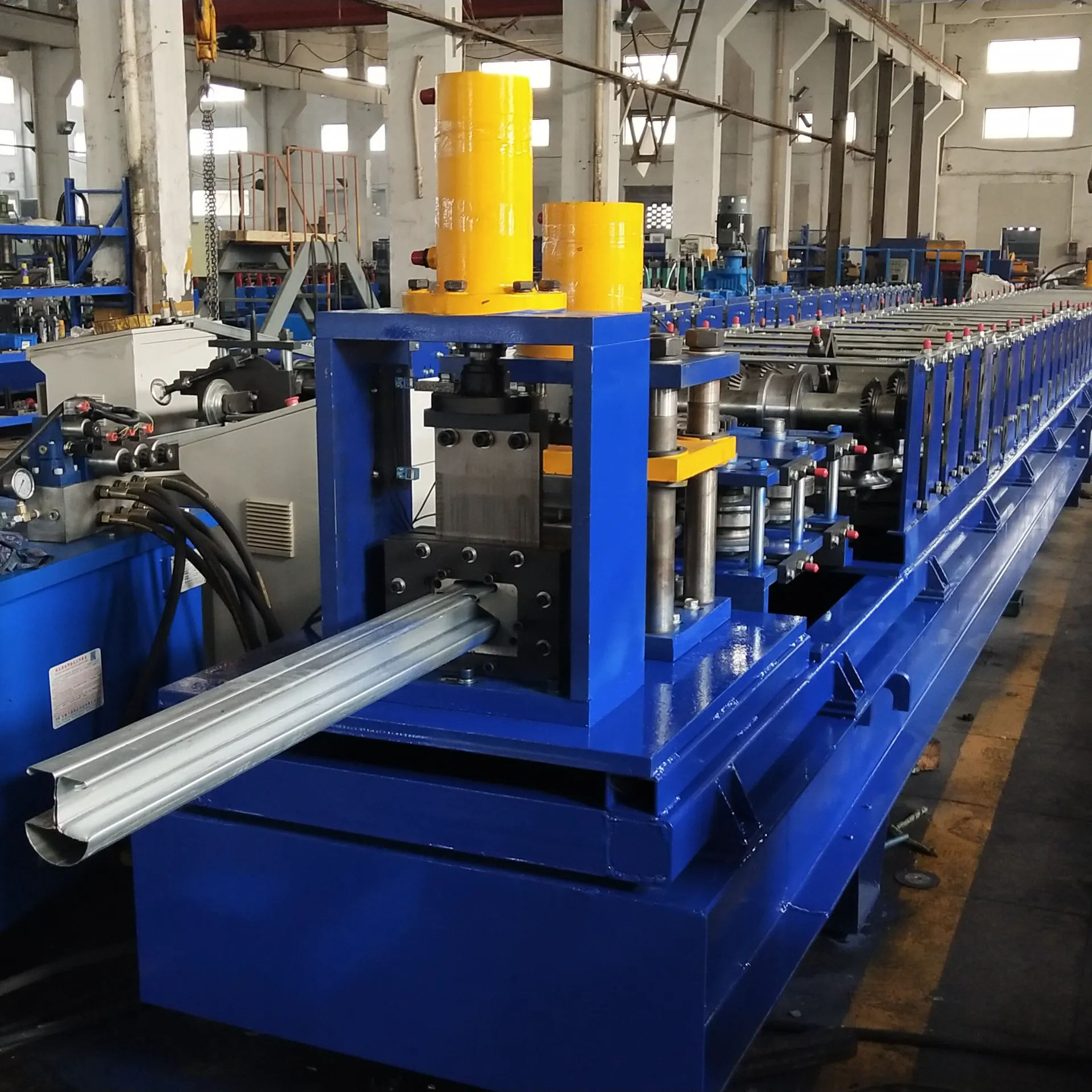
Figure 5: Dedicated control panel for a post roll forming machine, showcasing user-friendly interface.
Conclusion
The advanced post roll forming machine, particularly exemplified by the Peach Post (Fence Upright) Roll Forming Machine, represents a critical investment for manufacturers seeking to achieve high precision, efficiency, and cost-effectiveness in producing specialized metal profiles. By leveraging cutting-edge engineering, robust materials, and intelligent automation, these machines empower industries from construction and agriculture to security and infrastructure to produce superior quality components with unparalleled consistency. The strategic selection of a knowledgeable roll forming machine supplier, coupled with a focus on comprehensive technical specifications, customized solutions, and unwavering after-sales support, ensures long-term operational success and a strong competitive advantage in a demanding global market.
References
- Smith, J. (2022). "Advances in Cold Roll Forming Technology for Structural Steel Applications." Journal of Manufacturing Processes, 48, 123-135.
- International Organization for Standardization. (2015). ISO 9001:2015 - Quality management systems — Requirements.
- European Committee for Standardization. (2018). EN 10162 - Cold rolled steel sections - Technical delivery conditions.
- American Society for Testing and Materials. (2020). ASTM A653/A653M - Standard Specification for Steel Sheet, Zinc-Coated (Galvanized) or Zinc-Iron Alloy-Coated (Galvannealed) by the Hot-Dip Process.
- Wang, L., et al. (2019). "Optimization of Roll Pass Design for Complex Profile Roll Forming." Materials Science and Engineering A, 760, 234-241.