
Din Rail Roll Forming Machine: Precision & Efficient Metal Production
Introduction to Din Rail Roll Forming Technology
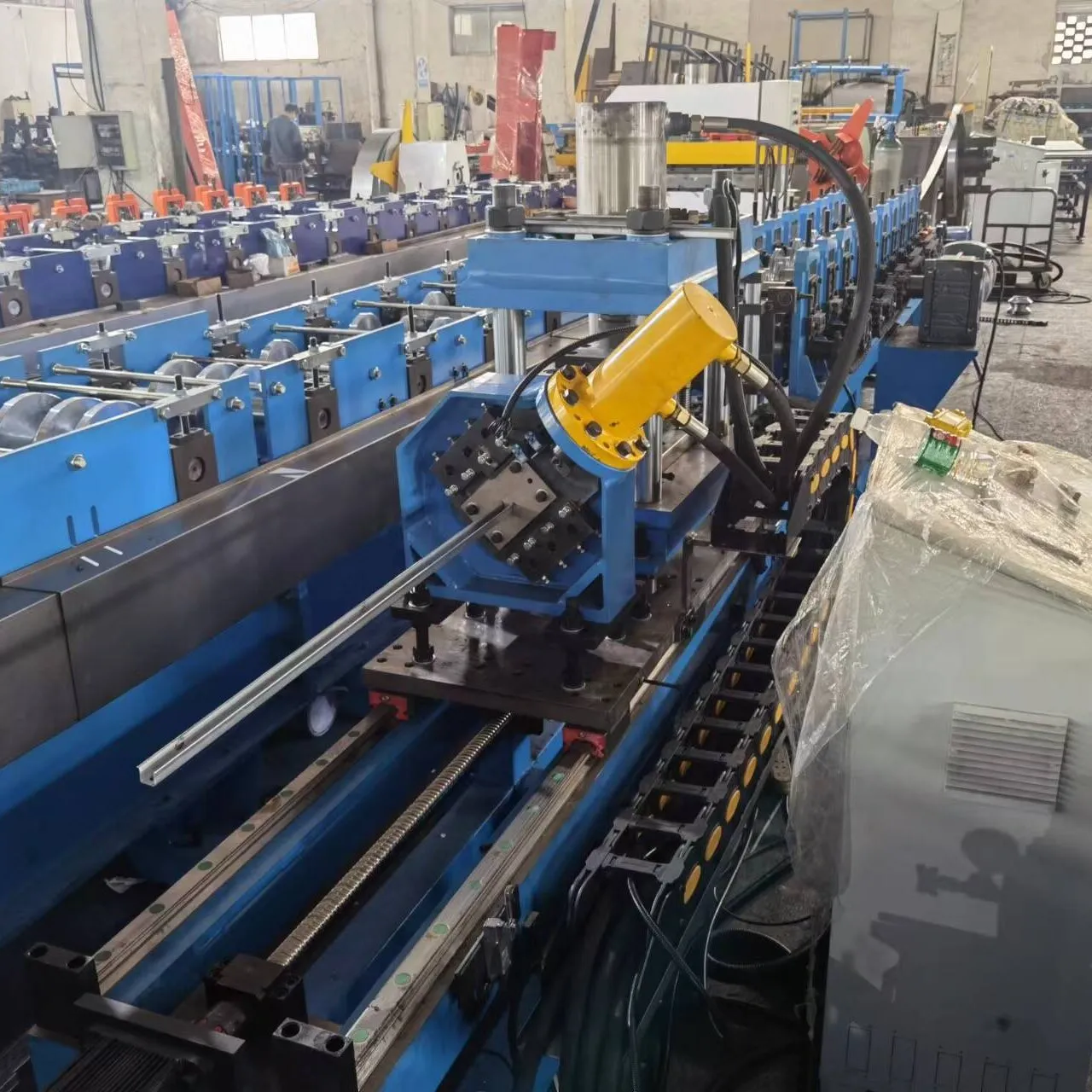
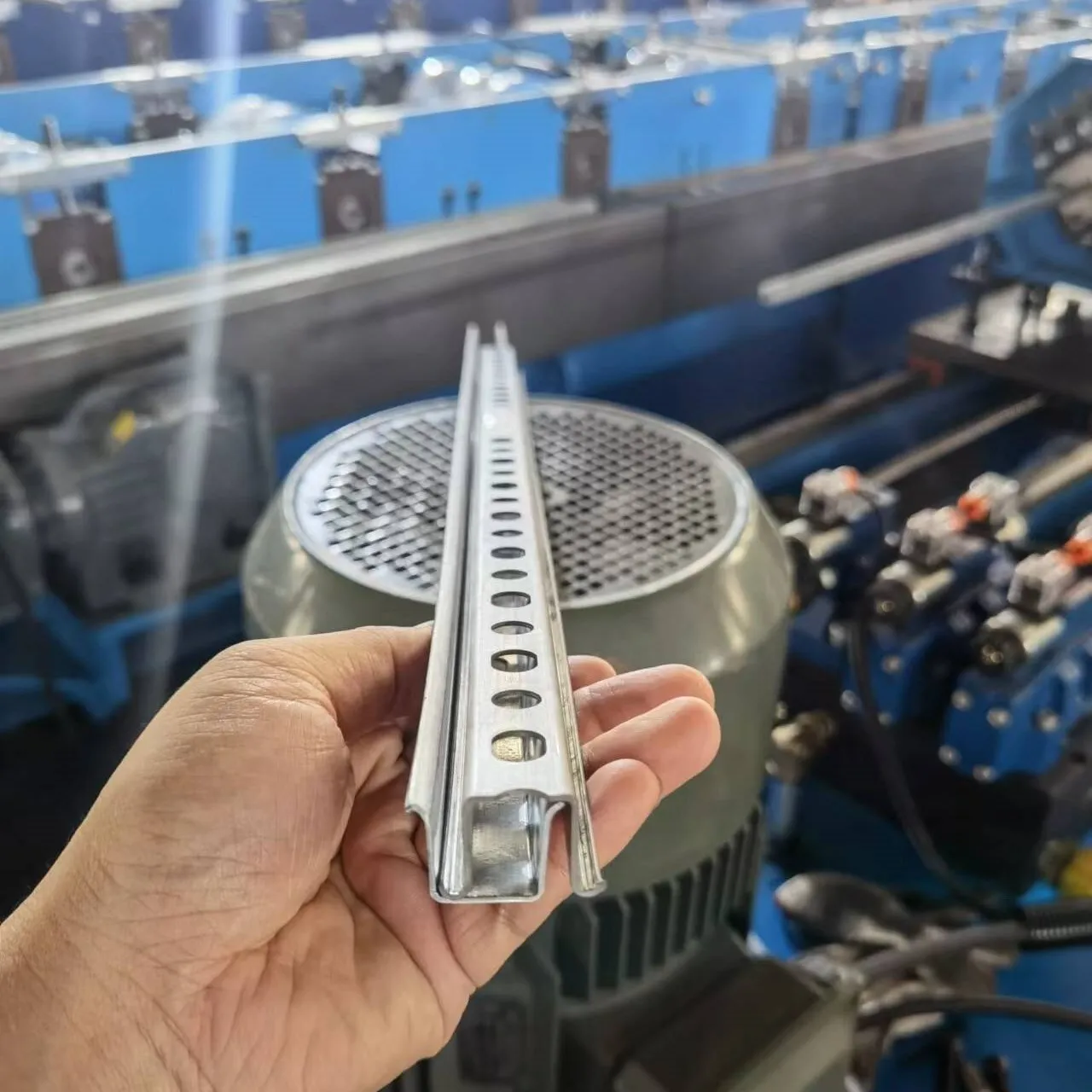
In the realm of industrial automation and electrical panel manufacturing, the demand for precise, high-quality DIN rails is paramount. These standardized metal rails provide a secure and organized mounting solution for circuit breakers, terminal blocks, relays, and other control equipment. The consistent production of these critical components relies heavily on advanced manufacturing technology, specifically the din rail roll forming machine. This specialized equipment represents a cornerstone in modern metal processing, enabling efficient, accurate, and cost-effective production of various DIN rail profiles such as TS35, TS32, and G-type.
A din rail roll forming machine is an exemplary piece of a sophisticated metal roll machine, engineered to transform flat metal strips into complex cross-sectional profiles through a series of precisely synchronized rollers. Its operation is critical for industries that require high volumes of standardized mounting solutions, ranging from industrial control systems to telecommunications infrastructure. This article delves into the intricate details of this technology, exploring its operational principles, manufacturing process, market impact, and the critical factors that B2B decision-makers must consider for optimal investment.
Industry Trends in Roll Forming Technology
The global roll forming industry is experiencing significant growth, driven by increasing demand in automotive, construction, and electrical industries. Key trends influencing the development and adoption of the din rail roll forming machine include:
- Automation and Industry 4.0 Integration: Modern steel roll former machines are increasingly integrated with advanced automation systems, including IoT connectivity, real-time data monitoring, and predictive maintenance. This enhances operational efficiency, reduces downtime, and allows for proactive problem-solving.
- High-Strength Material Processing: As industries demand lighter yet stronger components, roll forming machines are evolving to handle a wider range of high-strength steels and specialized alloys, requiring more robust machine construction and precision control.
- Energy Efficiency: Manufacturers are focusing on developing more energy-efficient roll forming lines, incorporating servo motors, optimized tooling designs, and regenerative braking systems to reduce operational costs and environmental impact.
- Flexibility and Customization: There's a growing need for machines capable of producing multiple profiles with minimal changeover time. Quick-change tooling systems and modular designs are becoming standard, enabling manufacturers to respond rapidly to diverse market demands for various DIN rail specifications.
- Enhanced Precision and Quality Control: With tighter tolerances in electrical and electronic assemblies, advanced sensing technologies and inline quality inspection systems are crucial for ensuring the dimensional accuracy and surface finish of produced DIN rails.
These trends collectively push the boundaries of roll forming technology, making the latest generation of din rail roll forming machine solutions more capable, efficient, and intelligent than ever before.
Technical Specifications and Core Components
The performance of a din rail roll forming machine is defined by its robust design and the precision of its technical parameters. Understanding these specifications is crucial for matching the machine to specific production requirements.
Key Components:
- Decoiler/Uncoiler: Manages the raw material coil, feeding it smoothly into the machine. Often equipped with hydraulic expansion and braking systems.
- Leveling System: Straightens the metal strip, ensuring it is flat and free from internal stresses before forming.
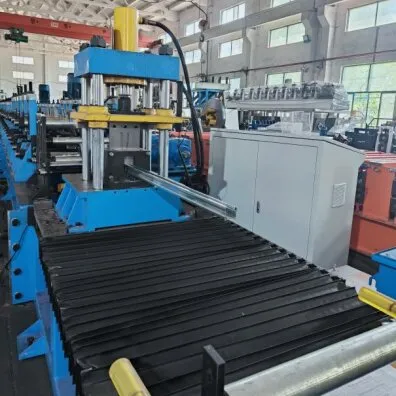
- Punching Unit: Pre-punches holes or slots required for DIN rail mounting, ensuring precise hole patterns before the forming process. This can be hydraulic or servo-driven.
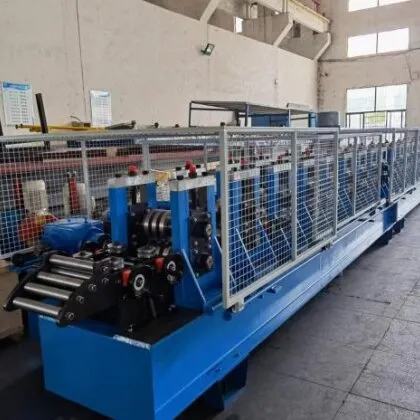
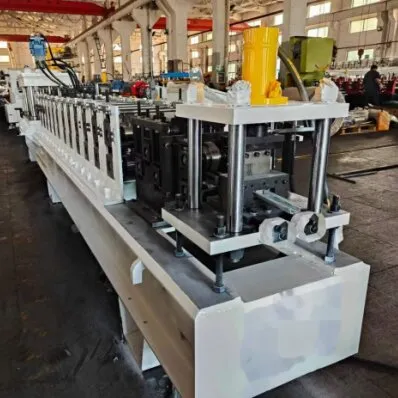
- Roll Forming Stations: The core of the machine, consisting of multiple sets of rollers that progressively shape the metal strip into the desired DIN rail profile. The number of stations varies depending on profile complexity.
- Cutting Unit: Shears the continuously formed profile to specified lengths. Options include hydraulic, pneumatic, or flying shear systems for continuous production without stopping.
- PLC Control System: The brain of the operation, typically Siemens, Panasonic, or Mitsubishi, managing speed, length, punching patterns, and overall synchronization.
- Run-out Table: Supports and collects the finished DIN rail profiles.
Typical Product Specifications for a High-Performance Din Rail Roll Forming Machine:
| Parameter | Specification |
|---|---|
| Material Type | Galvanized Steel, Cold Rolled Steel, Stainless Steel |
| Material Thickness | 0.8 mm - 2.0 mm |
| Forming Speed | 15-30 m/min (adjustable) |
| Number of Forming Stations | 12-18 stations (depending on profile complexity) |
| Main Motor Power | 7.5 kW - 15 kW |
| Hydraulic Power for Punching/Cutting | 5.5 kW - 11 kW |
| Control System | PLC with HMI Touch Screen (e.g., Siemens, Mitsubishi) |
| Production Length Accuracy | ±0.5 mm per 6 meters |
| Machine Dimensions (approx.) | 9m (L) x 1.5m (W) x 1.6m (H) |
| Total Weight (approx.) | 6,000 kg - 10,000 kg |
These parameters highlight the capability of a modern din rail roll forming machine to deliver precision and efficiency for high-volume production.
The Manufacturing Process of a Din Rail Roll Forming Machine
The creation of a high-performance din rail roll forming machine is a testament to precision engineering and robust manufacturing practices. Unlike the process of forming a DIN rail, this section details the sophisticated steps involved in building the machine itself, ensuring its longevity, accuracy, and reliability in industrial settings.
Product Materials & Components Sourcing:
Critical components are selected based on their metallurgical properties, wear resistance, and structural integrity. High-grade alloy steels (e.g., Cr12Mov for rollers, C45 steel for shafts, Q235 steel for machine frames) are standard. Bearings, electrical components, and hydraulic systems are sourced from reputable international suppliers (e.g., SKF, Siemens, Bosch Rexroth) to guarantee performance and reliability.
Manufacturing Processes:
- Frame Fabrication (Casting/Welding): The foundational machine frame is typically constructed from heavy-duty steel plates that are precision-cut and welded. For critical structural elements, some manufacturers may employ high-strength steel casting to ensure exceptional rigidity and vibration damping. Post-welding, stress-relief annealing is often performed to prevent distortion and ensure long-term stability.
- Shaft and Roller Production (Forging & CNC Machining):
- Forging: Shafts and roller blanks are often forged from high-carbon alloy steel to enhance their grain structure, strength, and fatigue resistance.
- CNC Machining: These forged blanks then undergo multi-axis CNC machining for precise dimensioning, intricate profiling of rollers, and ensuring minimal run-out for shafts. Surface finishes are critical to prevent material adhesion during operation.
- Heat Treatment: Rollers and cutting dies undergo specialized heat treatments, such as quenching and tempering, to achieve high surface hardness (e.g., HRC 58-62 for rollers) and core toughness, significantly extending their service life and resistance to wear.
- Grinding and Polishing: Post-heat treatment, rollers are precision-ground and polished to achieve the required surface roughness and profile accuracy, which directly impacts the quality of the final DIN rail.
- Assembly: Skilled technicians meticulously assemble the mechanical, electrical, and hydraulic sub-systems. This includes mounting motors, gearboxes, control panels, decoilers, and the roll forming stands, ensuring all components are aligned within tight tolerances.
- Electrical & Control System Integration: Wiring, sensor installation, and PLC programming are executed to integrate the control system with all mechanical and hydraulic functions, enabling automated operation, precise length control, and safety interlocks.
Testing Standards and Quality Assurance:
Every din rail roll forming machine undergoes rigorous testing to meet international standards.
- ISO 9001:2015 Certification: Ensures quality management systems are in place throughout the manufacturing process.
- CE Certification: Guarantees compliance with European safety, health, and environmental protection standards.
- Dimensional Accuracy Testing: Using CMM (Coordinate Measuring Machine) and laser alignment tools, critical machine dimensions and roll stand alignments are verified against design specifications.
- Performance Testing: Each machine is run with various material types and thicknesses to validate forming speed, length accuracy, and the quality of the produced DIN rail profiles.
- Safety Protocol Checks: All emergency stops, guarding, and interlock systems are thoroughly tested to ensure operator safety.
Service Life and Longevity:
Due to the robust construction, high-quality materials, and precision manufacturing processes, a well-maintained din rail roll forming machine can achieve a service life of 15-25 years, even under continuous industrial operation. The longevity is heavily influenced by regular maintenance, proper lubrication, and adherence to operational guidelines.
Application Scenarios and Target Industries
The versatility and precision of the din rail roll forming machine make it indispensable across a spectrum of industrial sectors that rely on robust and standardized electrical and control panel mounting solutions.
Key Target Industries:
- Industrial Automation & Control Systems: Manufacturing facilities, robotics, and process control systems heavily utilize DIN rails for mounting PLCs, motor starters, and I/O modules within control cabinets.
- Electrical Panel Builders: Companies specializing in assembling custom electrical panels and switchgear for commercial, residential, and industrial applications are primary users.
- Petrochemical & Oil & Gas: In hazardous environments, robust DIN rail systems are critical for mounting intrinsically safe barriers and control components, often requiring corrosion-resistant materials.
- Metallurgy & Mining: Heavy industrial machinery and control systems in these sectors demand durable mounting solutions for their extensive electrical infrastructure.
- Water Supply & Drainage Systems: Control panels for pumping stations, water treatment plants, and irrigation systems require reliable DIN rail components for managing complex electrical circuits.
- Renewable Energy (Solar, Wind): Inverters, monitoring equipment, and control units for solar farms and wind turbines are often housed in cabinets utilizing DIN rail mounting.
- Telecommunications: Data centers and communication infrastructure use DIN rails for organizing and securing networking equipment and power distribution units.
Advantages in Typical Application Scenarios:
- Energy Saving: By producing DIN rails on-demand and to precise lengths, material waste is significantly reduced compared to purchasing pre-cut rails, leading to substantial cost and energy savings in logistics and production. Modern machines also feature energy-efficient drives.
- Corrosion Resistance: For applications in humid, chemical-laden, or outdoor environments, the din rail roll forming machine can process galvanized steel or stainless steel, producing rails with inherent corrosion resistance. This extends the service life of electrical installations in harsh conditions.
- Enhanced Precision & Repeatability: The automated nature of the roll forming process ensures uniform profiles and hole patterns, which is critical for the seamless integration of modular components in densely packed control panels. This precision reduces assembly time and errors.
- Scalability: From small-batch custom orders to high-volume standard production, a well-configured metal roll machine can scale to meet varying demands without compromising quality or efficiency.
Technical Advantages and ROI for Businesses
Investing in a high-quality din rail roll forming machine offers significant technical and economic advantages for B2B enterprises.
Superior Precision and Consistency:
- Dimensional Accuracy: Advanced servo control and precision tooling ensure that DIN rail profiles conform strictly to international standards (e.g., EN 60715, IEC 60715). This guarantees perfect fitment for components and reduces assembly errors.
- Repeatability: Automated processes minimize human error, leading to consistent product quality across large production runs, which is crucial for mass production environments.
Operational Efficiency and Cost Reduction:
- High Speed Production: Modern steel roll former machines can achieve speeds of 20-30 meters per minute, drastically increasing throughput compared to traditional bending or stamping methods.
- Material Optimization: The continuous nature of roll forming minimizes material waste. Integrated punching and cutting-to-length features reduce scrap by precisely tailoring rail lengths to order, leading to typical material savings of 5-10%.
- Reduced Labor Costs: Highly automated systems require fewer operators, reducing direct labor costs and freeing up skilled personnel for other tasks.
- Lower Tooling Maintenance: Roll forming tools experience less wear and tear compared to stamping dies, resulting in longer tool life and reduced maintenance expenses.
Flexibility and Customization:
- Multi-Profile Capability: Many machines can be equipped with quick-change tooling systems, allowing for rapid switching between different DIN rail profiles (e.g., TS35x7.5, TS35x15, G-type) to meet diverse market demands.
- On-Demand Production: Manufacturers can produce specific lengths and quantities of DIN rails as needed, reducing inventory holding costs and improving responsiveness to customer orders.
The cumulative effect of these advantages translates into a robust return on investment (ROI) through enhanced product quality, reduced operational expenditures, and increased production capacity.
Vendor Comparison: Choosing the Right Din Rail Roll Forming Machine
Selecting the ideal din rail roll forming machine vendor is a critical decision that impacts long-term operational efficiency and profitability. While specific vendor names are not provided here, a generalized comparison based on common industry offerings highlights key differentiators.
| Feature/Criterion | Vendor A (Premium) | Vendor B (Mid-Range) | Vendor C (Cost-Effective) |
|---|---|---|---|
| Machine Build Quality | Heavy-duty, robust frame, premium components (SKF, Siemens) | Solid construction, reliable components (local/regional brands) | Standard frame, basic components (cost-optimized) |
| Control System | Advanced PLC (e.g., Siemens S7-1500) with intuitive HMI, IoT ready | Standard PLC (e.g., Mitsubishi, Panasonic) with touch screen | Basic PLC, push-button interface |
| Forming Speed | Up to 30-40 m/min | 15-25 m/min | 8-15 m/min |
| Tooling Material/Life | Cr12Mov or D2 steel, vacuum heat-treated (3-5+ years) | Cr12 steel, heat-treated (2-3 years) | 45# steel, surface treated (1-2 years) |
| Customization Options | Extensive (multi-profile, integrated punching, automation) | Moderate (profile change, basic punching) | Limited (standard profiles only) |
| After-Sales Support | Global network, remote diagnostics, rapid spare parts | Regional service, online support, standard spare parts | Limited online support, basic spare parts |
| Typical Price Range | $80,000 - $150,000+ | $45,000 - $80,000 | $25,000 - $45,000 |
When evaluating vendors, consider not just the upfront cost but also the total cost of ownership, including potential downtime, maintenance, and the longevity of components. Reputable manufacturers often provide CE certifications, ISO 9001 compliance, and have a proven track record (e.g., 10+ years in the industry) with a global client base, ensuring the highest standards of quality and service for their metal roll machine offerings.
Customized Solutions for Unique Requirements
While standard DIN rail profiles are widely used, many industrial applications demand unique specifications. Leading manufacturers of din rail roll forming machine solutions offer comprehensive customization services to meet these precise needs.
Customization can involve:
- Non-Standard Profile Design: Developing specialized roller tooling to produce DIN rails with unique dimensions, additional flanges, or specific cut-outs that are not part of conventional standards. This might be required for proprietary component mounting or specific environmental enclosures.
- Material Adaptation: Configuring the machine to handle unusual materials such as thicker gauges of stainless steel for extreme corrosion resistance, or aluminum for lightweight applications. This involves modifications to roll force, material guides, and cutting systems.
- Integrated Secondary Operations: Incorporating additional inline processes such as deburring, complex hole punching patterns (beyond standard slots), notching, or even automated assembly features directly into the roll forming line to streamline production and reduce post-processing.
- Advanced Automation and Robotics: Integrating robotic arms for automated loading of coils or stacking of finished products, advanced vision systems for enhanced quality inspection, or seamless integration with existing factory MES/ERP systems.
- Safety and Environmental Enhancements: Designing machines with enhanced guarding for specific safety standards, noise reduction enclosures, or integrated waste management systems tailored to local regulations.
A key aspect of customized solutions is the collaborative engineering process, where the client's specific application challenges are translated into machine design requirements. This ensures that the custom steel roll former not only meets technical specifications but also optimizes operational workflow and delivers maximum ROI.
Application Case Studies & Customer Experience
Real-world applications demonstrate the tangible benefits of a high-quality din rail roll forming machine.
Case Study 1: Large-Scale Electrical Panel Manufacturer
- Client: A major European manufacturer of industrial control panels for automotive assembly lines.
- Challenge: High demand for TS35 DIN rails in varying lengths (0.5m to 2m) with strict dimensional tolerances and a need to reduce reliance on external suppliers for faster turnaround.
- Solution: Implementation of a fully automated din rail roll forming machine with integrated flying shear and a PLC-controlled length measurement system. The machine was capable of 25m/min production.
- Outcome:
- Production Increase: 30% increase in DIN rail availability, reducing lead times for panel assembly by 2 weeks.
- Cost Savings: 15% reduction in material costs due to optimized cutting and minimized scrap.
- Quality Improvement: Consistent ±0.3mm length accuracy, exceeding previous supplier standards.
- Client Feedback: "The machine has revolutionized our panel production. The precision and speed are outstanding, and the ability to produce on demand has made our supply chain far more agile."
Case Study 2: Manufacturer of Renewable Energy Components
- Client: A company specializing in control cabinets for solar inverter stations in harsh desert environments.
- Challenge: Need for high-volume, corrosion-resistant stainless steel (SS316) DIN rails with specific pre-punched mounting patterns for cooling systems and robust structural integrity.
- Solution: A customized metal roll machine designed with specialized SS316-compatible rollers and a robust hydraulic punching unit capable of handling harder material with complex patterns.
- Outcome:
- Material Capability: Successfully processed SS316 at desired speeds without tool wear issues, ensuring extreme corrosion resistance.
- Customization Success: Produced unique DIN rail profiles perfectly integrated with the cabinet's thermal management system.
- Product Reliability: Field reports confirmed zero failures related to DIN rail integrity or component mounting even after 5 years in extreme conditions.
- Client Feedback: "The bespoke solution provided by our partner delivered exactly what we needed for our demanding environments. The reliability of the DIN rails produced by their din rail roll forming machine is unparalleled."
Establishing Trust: Certifications, Support, and Warranty
For B2B buyers, the decision to invest in a din rail roll forming machine extends beyond technical specifications; it encompasses the trustworthiness and reliability of the vendor.
Authoritativeness and Certifications:
- ISO 9001: Certification for quality management systems ensures consistent product quality and process efficiency.
- CE Mark: Essential for machines sold into the European market, signifying compliance with health, safety, and environmental protection standards.
- SGS/TUV Inspections: Independent third-party inspection reports confirming machine quality and performance can provide additional assurance.
- Years of Service & Partner Clients: Reputable manufacturers typically have 10+ years of experience in the roll forming industry, boasting a portfolio of established clients across diverse sectors, including partnerships with leading automation companies.
Trustworthiness: Warranty, Lead Time, and Support:
- Lead Time & Fulfillment: Standard lead times for a din rail roll forming machine typically range from 60 to 90 working days, depending on customization. Transparent communication throughout the manufacturing and shipping process is vital.
- Warranty Commitments: A standard warranty for mechanical components is typically 12-24 months, with 6-12 months for electrical parts. Comprehensive warranties often include on-site service for critical issues.
- Customer Support:
- Technical Support: 24/7 online technical support, remote diagnostics, and troubleshooting assistance.
- Spare Parts: Guaranteed availability of genuine spare parts for the machine's operational lifetime, with efficient logistics for rapid delivery.
- On-site Installation & Training: Professional engineers dispatched for machine installation, commissioning, and comprehensive operator training.
- Maintenance Programs: Offering planned preventative maintenance programs to maximize machine uptime and extend service life.
Frequently Asked Questions (FAQ)
Q1: What types of DIN rails can a typical din rail roll forming machine produce?
A: Most standard machines are configured to produce common DIN rail profiles such as TS35x7.5 (top hat rail), TS35x15 (deep top hat rail), and G-type (TS32) rails. With appropriate tooling changes, a versatile machine can produce multiple profiles.
Q2: What materials can be processed by a metal roll machine for DIN rails?
A: The most common materials are galvanized steel (for corrosion resistance), cold-rolled steel, and stainless steel (e.g., SS304, SS316) for more demanding environments. Some specialized machines can also process aluminum.
Q3: How long does it take to change tooling for a different DIN rail profile?
A: With modern quick-change tooling systems, a complete profile changeover can often be accomplished within 1-2 hours by experienced operators. Older or simpler machines might require half a day or more.
Q4: What are the typical power requirements for a steel roll former?
A: A standard machine typically requires a main motor power of 7.5 kW to 15 kW and an additional 5.5 kW to 11 kW for hydraulic punching and cutting systems. Total power consumption will depend on the specific configuration and operational speed.
Q5: Is operator training included with the purchase of a din rail roll forming machine?
A: Reputable vendors typically include on-site installation and comprehensive operator training as part of their service package, ensuring your team is proficient in operating and maintaining the machine.
Conclusion
The din rail roll forming machine stands as a critical asset in modern industrial manufacturing, offering unparalleled precision, efficiency, and versatility for producing essential electrical and automation components. From its meticulously engineered construction to its sophisticated control systems, this specialized metal roll machine is designed to meet the rigorous demands of various industries, from petrochemical to renewable energy.
By understanding the technical specifications, manufacturing processes, market trends, and the comprehensive support provided by reputable vendors, B2B decision-makers can make informed investments that enhance productivity, reduce operational costs, and secure a competitive edge in an evolving global market. The long-term benefits of owning such a robust and precise steel roll former significantly outweigh the initial investment, making it an indispensable tool for future-proofing production capabilities.
References
- DIN EN 60715: Dimensions of low-voltage switchgear and controlgear - Standardized mounting on rails for mechanical support of electrical devices. European Committee for Electrotechnical Standardization (CENELEC).
- Roll Forming Handbook. (2001). George T. Halmos. CRC Press.
- Modern Manufacturing Processes. (2018). J. P. Holman. McGraw-Hill Education.
- ISO 9001:2015 Quality management systems — Requirements. International Organization for Standardization.
- Sheet Metal Roll Forming Processes: A Review. (2019). Journal of Manufacturing Science and Engineering. American Society of Mechanical Engineers.