
Precision Tube Mill | ERW Pipe & Square Tube Production
Introduction to Tube Mill Technology
The continuous evolution of industrial infrastructure demands highly efficient and precise manufacturing solutions for tubular products. At the forefront of this demand is the tube mill, a sophisticated machinery system engineered for the production of various types of pipes and tubes from metal strips. These systems are pivotal across numerous sectors, including construction, automotive, oil and gas, and general engineering, delivering components crucial for fluid conveyance, structural integrity, and mechanical applications. Modern tube mills are characterized by their integration of advanced automation, stringent quality control mechanisms, and adaptability to produce a wide range of tube dimensions and material specifications. This article delves into the critical aspects of tube mill technology, exploring industry trends, technical capabilities, application versatility, and the strategic advantages offered by leading manufacturers.
Current Industry Trends in Tube Mill Manufacturing
The global market for tubular products is undergoing significant transformations driven by a confluence of factors, including increasing infrastructure development, particularly in emerging economies, and a heightened focus on energy efficiency and sustainable manufacturing. Key trends impacting the tube mill industry include:
- Automation and Industry 4.0 Integration: Advanced control systems, predictive maintenance, and real-time data analytics are becoming standard, enhancing operational efficiency and reducing downtime. Integration with IoT platforms allows for remote monitoring and optimized production schedules.
- High-Strength Material Processing: Demand for pipes made from high-strength low-alloy (HSLA) steels and stainless steels is rising, necessitating pipe mill machine designs capable of handling these challenging materials with precision and reliability.
- Energy Efficiency: Manufacturers are prioritizing energy-saving technologies, such as high-frequency induction welding with optimized power consumption and advanced motor drives, to reduce operational costs and environmental impact.
- Customization and Flexibility: The market requires greater flexibility in producing diverse tube profiles (round, square, rectangular) and dimensions on a single erw tube mill line, leading to modular designs and quick-change tooling systems.
- Quality Assurance: Enhanced non-destructive testing (NDT) methods, including ultrasonic and eddy current testing, are integrated inline to ensure the highest product quality and compliance with international standards.
These trends collectively push the boundaries of tube milling machine technology, fostering innovation aimed at improving throughput, reducing waste, and ensuring superior product integrity.
Detailed Process Flow of a Tube Mill Line
The production of steel tubes and pipes through a tube mill line is a multi-stage process, beginning with raw material preparation and concluding with finished product handling. Each stage is critical for achieving the desired product specifications and quality.
Key Stages of Tube Manufacturing:
- Coil Preparation: Steel coils (typically hot-rolled or cold-rolled strips of various grades like carbon steel, stainless steel, or galvanized steel) are fed into the uncoiler. This involves decoiling, leveling, and end-shearing. The strip ends are then welded together using a butt welder to ensure continuous feeding into the mill.
- Accumulation: A loop accumulator or cage accumulator stores a reserve of strip, allowing the mill to run continuously while a new coil is being prepared and welded. This ensures uninterrupted production.
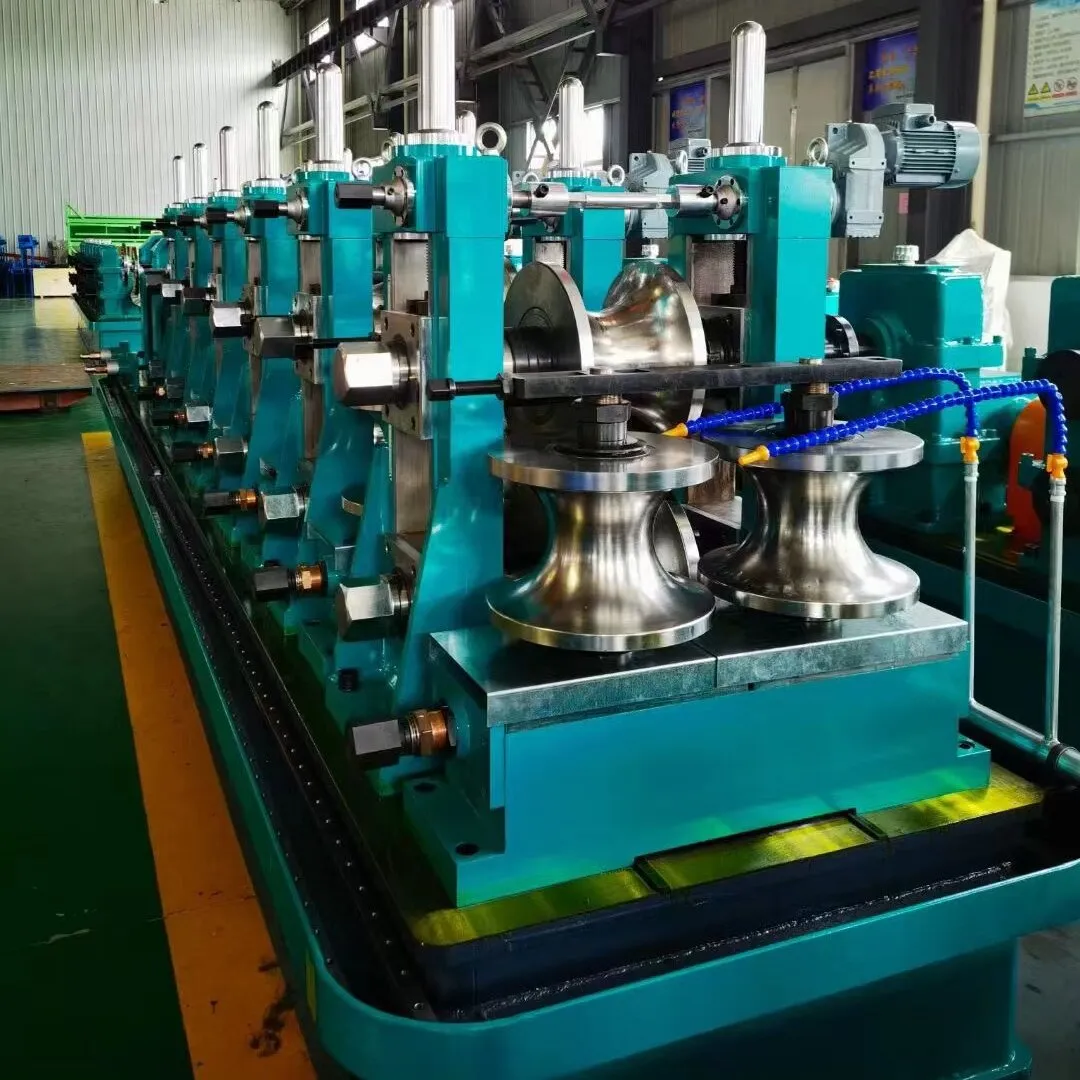
- Forming Section: The flat metal strip passes through a series of forming rolls. These rolls progressively shape the strip into an open-seam tube. The forming process is precise, often utilizing advanced CNC machining for roll manufacturing to ensure optimal geometric accuracy and minimal stress on the material.
- Welding Section: For ERW (Electric Resistance Welding) erw tube mill systems, the formed open-seam tube enters the welding station. High-frequency induction welding or contact welding methods heat the edges of the strip to a plastic state. Pressure rollers then forge the edges together, creating a solid, high-integrity weld without the need for filler material.
- Seam Trimming and Scarfiing: Immediately after welding, excess weld flash (upset) is removed from both the outer and inner surfaces of the tube. This ensures a smooth finish and accurate dimensions.
- Cooling: The welded tube passes through a cooling section, typically using a water-based system, to bring its temperature down, stabilizing the material structure.
- Sizing Section: The cooled tube undergoes further shaping and dimensioning in the sizing mill. This section utilizes a series of sizing rolls to achieve the precise outer diameter (OD) and wall thickness, along with enhancing the roundness and straightness of the tube. This is critical for meeting stringent standards like ASTM A53 or EN 10217.
- Straightening: A straightening unit, often a Turkish head or roller-type straightener, ensures the tube meets specified straightness tolerances.
- Cutting Section: The continuous tube is cut into specified lengths by a flying saw or a square tube cutting machine (for square and rectangular profiles). This cut is executed while the tube is in motion, ensuring continuous production without stopping the line.
- Testing and Inspection: Inline non-destructive testing (NDT) systems, such as ultrasonic flaw detection, eddy current testing, and hydrostatic testing, verify weld integrity and detect any material defects. Dimensions are checked against ISO and ANSI standards.
- Finishing: Depending on customer requirements, tubes may undergo further processing, including end facing, chamfering, galvanizing, or coating for enhanced corrosion resistance.
This meticulous process ensures that the final tubular products, manufactured on a high-performance tube mill, meet the rigorous demands of target industries such as petrochemical, metallurgy, and water supply & drainage, offering advantages like energy saving through optimized material use and superior corrosion resistance due to quality material selection and finishing processes.
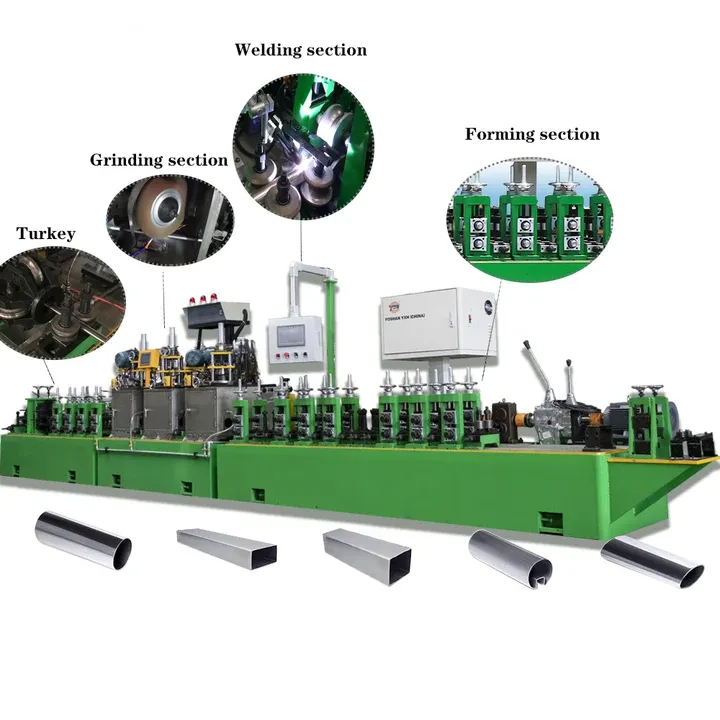
Technical Specifications and Parameters of Advanced Tube Mills
Modern tube mill lines are engineered with precise technical specifications to ensure optimal performance, efficiency, and product quality. Understanding these parameters is crucial for B2B decision-makers and engineers in selecting the appropriate machinery for their operational needs.
Typical Product Specification Table: Yowin Tube Mill Line
| Parameter | Specification Range | Unit |
|---|---|---|
| Tube Outer Diameter (OD) | Ø10 - Ø219 | mm |
| Wall Thickness | 0.4 - 8.0 | mm |
| Material Yield Strength (Max) | 700 (Q345B) | MPa |
| Forming Speed (Max) | 120 | m/min |
| Main Motor Power | 55 - 400 | kW |
| Welding Method | High-Frequency Induction Welding (HFIW) | N/A |
| Line Direction | Left/Right (customizable) | N/A |
| Length Tolerance | ±1 | mm |
| Straightness Tolerance | 1 mm/m | N/A |
These specifications highlight the capability of a robust pipe mill machine to produce a wide range of products efficiently. The precise control over parameters like wall thickness and straightness is achieved through sophisticated roller design and automated control systems, ensuring compliance with international standards such as ISO 3183, ASTM A500, and JIS G3444, which are critical for structural and pressure piping applications.
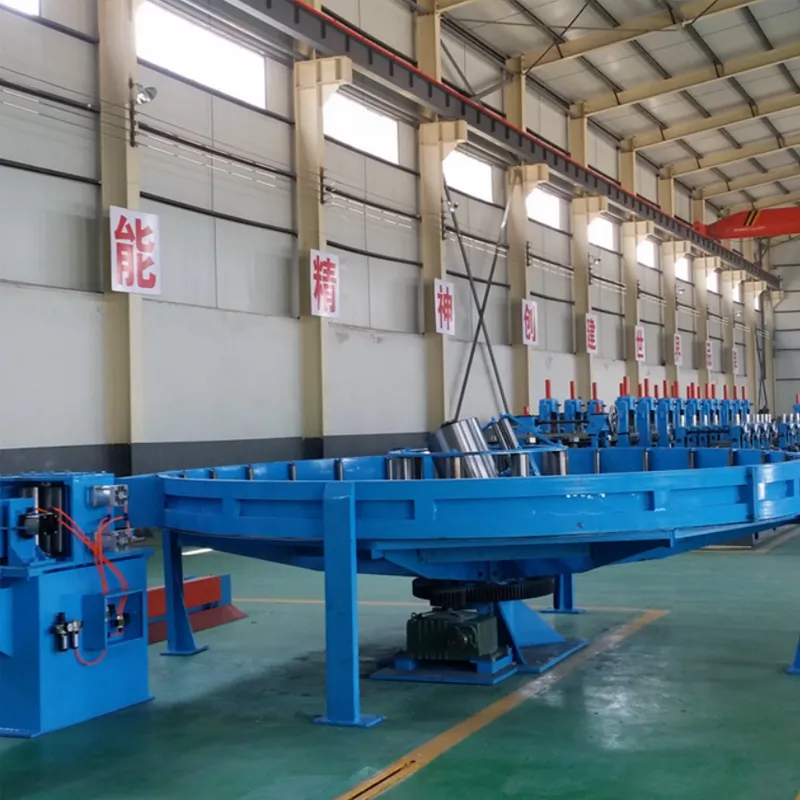
Application Scenarios Across Diverse Industries
The versatility of the tube mill makes it indispensable across a multitude of industries. The resulting tubes are fundamental components in applications ranging from high-pressure fluid transport to structural frameworks, demonstrating the critical role of efficient tube milling machine technology.
- Construction and Infrastructure: Structural steel tubes, often produced by an erw tube mill, are used in building frameworks, bridges, scaffolding, and handrails due to their high strength-to-weight ratio and ease of fabrication. Square and rectangular tubes are particularly favored for their aesthetic and structural properties.
- Automotive Industry: Lightweight, high-strength steel tubes are integral to vehicle chassis, exhaust systems, seat frames, and safety components. The precision and consistent quality of tubes produced by modern mills contribute directly to vehicle safety and fuel efficiency.
- Oil and Gas Sector: Pipelines for crude oil, natural gas, and refined products require tubes with exceptional corrosion resistance and pressure ratings. API 5L specification pipes, typically produced on a robust pipe mill machine, are essential for these demanding applications.
- Water Supply and Drainage Systems: Large-diameter pipes for municipal water distribution, sewage systems, and industrial water treatment facilities rely on durable, corrosion-resistant tubes. Galvanized or coated tubes from tube mill lines ensure long service life and minimal maintenance.
- Furniture and Appliance Manufacturing: Smaller diameter tubes are extensively used in the production of furniture, home appliances, and fitness equipment, where smooth finishes and precise bends are critical.
- Agriculture and Irrigation: Tubes are used for irrigation systems, greenhouse structures, and various agricultural machinery components, requiring resilience against environmental factors.
Customer feedback consistently highlights the reliability and consistency of tubes produced by reputable tube mill manufacturers. For instance, a major European automotive supplier reported a 15% reduction in scrap rates and a 10% increase in production speed after upgrading to a Yowin high-frequency erw tube mill line, directly attributing these gains to the precision forming and welding capabilities. This demonstrates the tangible benefits of investing in advanced tube mill technology for improved operational experience and cost efficiencies.
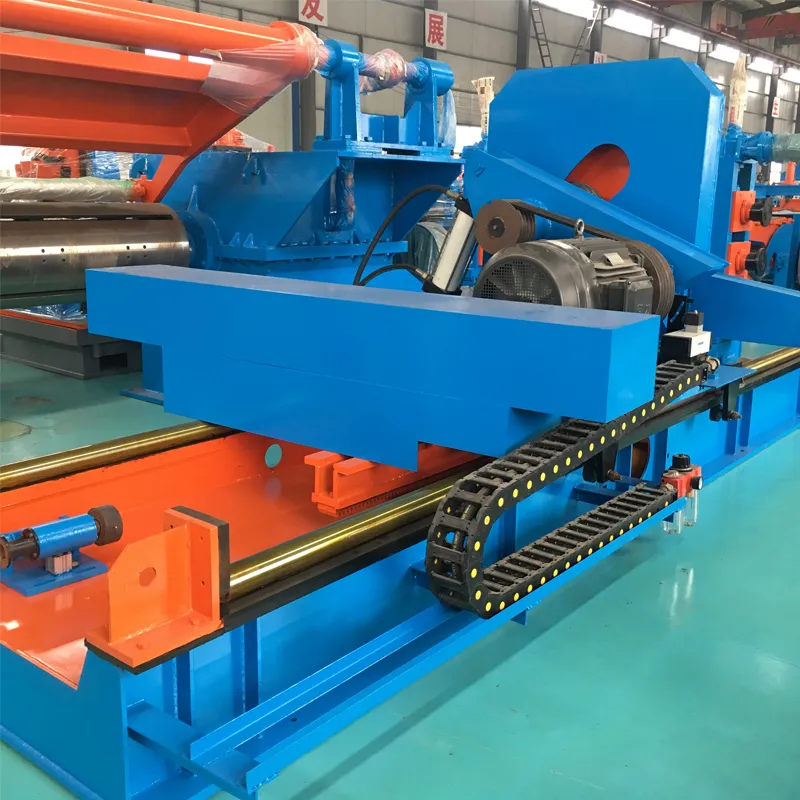
Technical Advantages of Modern Tube Mill Systems
The technological advancements in tube mill design and manufacturing have yielded significant advantages, making modern systems highly efficient, precise, and cost-effective. These advantages directly impact the profitability and competitiveness of tube manufacturers.
- High Production Speed and Throughput: Optimized line speeds, often exceeding 100 m/min, reduce production time and increase output, leading to higher efficiency and lower unit costs.
- Superior Weld Quality: High-frequency induction welding (HFIW) in erw tube mill lines produces welds with excellent metallurgical properties, narrow heat-affected zones, and minimal internal bead, ensuring strength and integrity comparable to the parent metal. This is corroborated by advanced NDT results.
- Precision Forming and Sizing: Advanced forming roll designs, often developed using finite element analysis (FEA), minimize material stress and ensure precise dimensional control, roundness, and straightness. This precision is vital for downstream processing such as bending, shaping, or hydroforming.
- Energy Efficiency: Modern HFIW systems boast energy conversion efficiencies of over 85%, significantly reducing power consumption compared to older welding methods. Efficient motor drives and smart control systems further optimize energy use.
- Reduced Material Waste: Accurate cut-to-length systems, especially with integrated square tube cutting machine capabilities, minimize scrap and optimize material utilization, contributing to significant cost savings.
- Enhanced Durability and Service Life: Components manufactured from high-grade alloys, subjected to advanced manufacturing processes like precision forging and CNC machining, coupled with robust structural design, ensure a long service life for the pipe mill machine itself, often exceeding 15-20 years with proper maintenance.
- Advanced Automation and Control: PLC-based control systems with HMI interfaces provide intuitive operation, real-time monitoring, and diagnostic capabilities, reducing reliance on manual adjustments and improving overall line stability.
Vendor Comparison and Customized Solutions
Selecting the right tube mill vendor is a strategic decision that impacts long-term operational efficiency and profitability. While many manufacturers offer erw tube mill lines, discerning the differences in their offerings, particularly concerning customization and post-sales support, is crucial.
Comparative Analysis of Key Tube Mill Features
| Feature/Parameter | Yowin Tube Mill Line | Competitor A (Mid-tier) | Competitor B (Basic) |
|---|---|---|---|
| Material Processing Capability | Carbon Steel, Stainless Steel, Galvanized, HSLA up to 700MPa | Carbon Steel, Galvanized up to 450MPa | Basic Carbon Steel up to 350MPa |
| Welding Technology | High-Frequency Solid State (Energy-efficient) | High-Frequency Vacuum Tube (Standard) | Contact Welding (Less efficient) |
| Automation & Control | Siemens/Allen-Bradley PLC, HMI, IoT-ready, Predictive Maintenance | Local Brand PLC, Basic HMI | Relay Logic, Manual Controls |
| Tooling Changeover | Quick-change cassette system (1-2 hours) | Standard roll removal (4-6 hours) | Manual, time-consuming (8+ hours) |
| Quality Assurance (Inline) | Ultrasonic, Eddy Current, Visual, Hydrostatic Prep | Basic Eddy Current | Manual Visual Inspection |
| Customization Options | High (Full line integration, specialized profiles, material handling) | Moderate (Limited modifications) | Low (Standard models only) |
Yowin specializes in providing highly customized pipe mill machine solutions. Recognizing that each client has unique production requirements, Yowin's engineering team works closely with customers from the initial concept phase to deployment. This includes:
- Tailored Line Configuration: Designing specific layouts for space constraints, incorporating specialized equipment for unique tube profiles (e.g., elliptical, D-shape), or integrating advanced finishing processes.
- Material Adaptability: Developing tube milling machine solutions optimized for challenging materials, such as specific grades of stainless steel or non-ferrous alloys, which require specialized forming and welding techniques.
- Automation Level Customization: From semi-automatic to fully automated lines with robotic handling and advanced data integration, systems are scaled to match operational complexity and budgetary considerations.
- Integrated Peripheral Systems: Providing comprehensive solutions that extend beyond the core tube mill, including coil handling, packaging, bundle forming, and inline inspection systems.
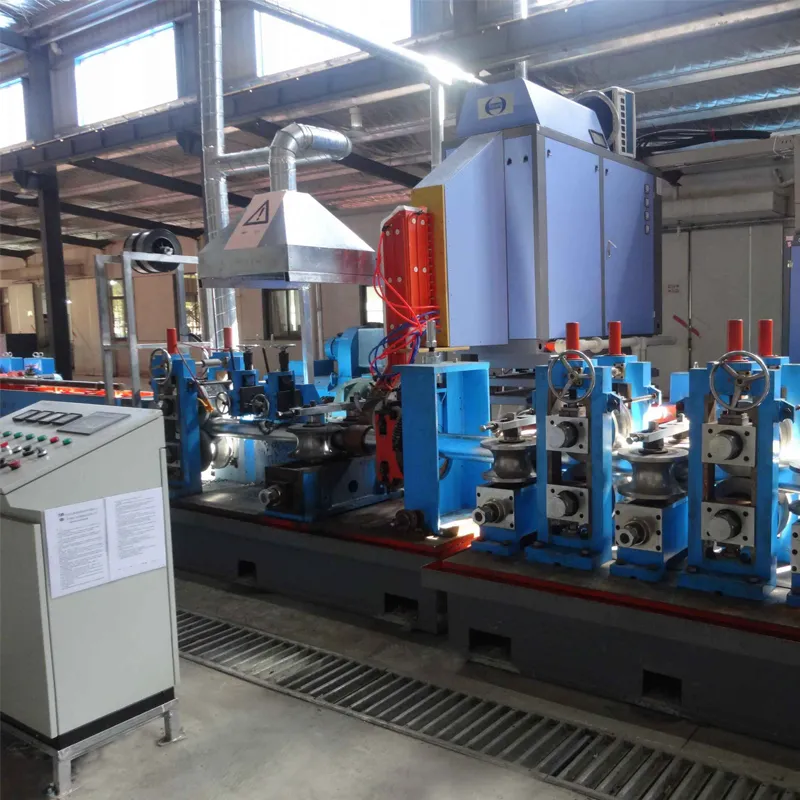
Application Case Studies and Authoritative Endorsements
Yowin’s commitment to quality and innovation is demonstrated through successful installations and adherence to global manufacturing standards. Our tube mill solutions are trusted by leading industrial players worldwide.
Case Study 1: High-Speed Automotive Tube Production
A prominent automotive component manufacturer in North America required an erw tube mill capable of producing high-precision, lightweight steel tubes for exhaust systems and structural components at speeds up to 100 m/min. Yowin supplied a custom-engineered high-frequency tube mill line with an integrated quick-change tooling system. The client reported a 20% increase in daily production output and a 50% reduction in tooling changeover time, leading to significant operational cost savings. The tubes consistently met stringent automotive standards (e.g., ASTM A513), verified by independent third-party inspections and certifications. Yowin has been servicing this client for over 8 years, providing continuous technical support and upgrades.
Case Study 2: Stainless Steel Pipe for Petrochemical Applications
A Middle Eastern petrochemical giant needed a pipe mill machine capable of producing stainless steel pipes (ASTM A312) up to Ø168mm with superior weld integrity for corrosive environments. Yowin designed and installed a specialized stainless steel tube mill with an advanced solid-state HFIW system and inline ultrasonic testing (UT) equipment. Test data confirmed weld penetration and structural integrity exceeding API 5L and ISO 3183 standards, crucial for high-pressure, high-temperature applications. The project was completed on schedule, and the line has been in continuous operation for 6 years, with a reported 99.8% uptime, a testament to its robust design and Yowin's proven engineering expertise.
Certifications and Authoritative References:
- Yowin’s manufacturing processes are certified under ISO 9001:2015 for quality management.
- Our tube mill lines are designed and built to comply with European CE safety directives.
- Components are sourced from reputable global suppliers adhering to relevant ANSI/ASTM standards.
- Years of service: Yowin has over two decades of experience in the design and manufacturing of precision tube mill machinery, with installations in over 30 countries.
Trustworthiness and Support: FAQ, Lead Time, Warranty
Building long-term partnerships relies on clear communication, robust support systems, and transparent commitments. Yowin prioritizes client trust through comprehensive after-sales services and clear operational guidelines for every tube mill installation.
Frequently Asked Questions (FAQ)
-
Q: What is the typical lead time for a new tube mill line?
A: Lead times vary depending on the complexity and customization required. For standard configurations, it's typically 3-6 months from order confirmation to shipment. Highly customized pipe mill machine lines may require 7-10 months. Detailed project timelines are provided after technical discussions. -
Q: What kind of warranty is offered on your erw tube mill equipment?
A: Yowin offers a standard 12-month warranty from the date of final commissioning or 18 months from shipment, whichever comes first, covering manufacturing defects and component failures under normal operating conditions. Extended warranty options are available. -
Q: Do you provide installation and training services?
A: Yes, Yowin provides comprehensive installation supervision and on-site operational and maintenance training by our experienced engineers. This ensures your team is fully equipped to operate and maintain the tube milling machine effectively. -
Q: How is after-sales support managed?
A: We offer multi-channel support including 24/7 technical hotline, remote diagnostics, and prompt dispatch of spare parts. Our global service network ensures timely support, minimizing downtime. We also provide regular maintenance schedules and check-ups. -
Q: Can the square tube cutting machine be integrated with existing lines?
A: Yes, our cutting machines and other modules are designed for modularity and can often be integrated into existing production lines, subject to a detailed technical assessment.
Lead Time & Fulfillment
Yowin employs a robust project management methodology to ensure timely delivery of all tube mill projects. From initial design approval to final factory acceptance tests (FAT) and subsequent shipping, every phase is meticulously planned and communicated. Production scheduling leverages advanced ERP systems to optimize component procurement, manufacturing, and assembly, facilitating reliable fulfillment schedules.
Customer Support & Lifetime Service
Our commitment extends beyond the initial sale. Yowin offers lifetime technical support for all tube mill systems. This includes readily available spare parts, software updates, performance optimization consultations, and expert guidance for upgrading or expanding your production capabilities. Our dedicated customer service team acts as a single point of contact for all inquiries, ensuring a streamlined and effective support experience.
Conclusion
The modern tube mill is a cornerstone of industrial manufacturing, providing the foundational components for a vast array of applications. As industries continue to demand higher precision, greater efficiency, and more versatile production capabilities, advancements in erw tube mill technology will remain paramount. Yowin is dedicated to leading this evolution, offering expertly engineered, highly customizable pipe mill machine solutions that combine cutting-edge technology with unparalleled service and support. Partnering with a proven expert like Yowin ensures not only access to the most advanced tube milling machine technology but also a trusted resource committed to your long-term success.
References
- American Society for Testing and Materials (ASTM). (2023). ASTM A53/A53M: Standard Specification for Pipe, Steel, Black and Hot-Dipped, Zinc-Coated, Welded and Seamless. ASTM International.
- International Organization for Standardization (ISO). (2022). ISO 9001: Quality management systems – Requirements. ISO Central Secretariat.
- European Committee for Standardization (CEN). (2021). EN 10217: Welded steel tubes for pressure purposes - Technical delivery conditions - Part 1: Non-alloy steel tubes with specified room temperature properties. European Standards.
- Metal Forming Magazine. (2023). Trends in Tube & Pipe Production. FMA Communications, Inc.
- API (American Petroleum Institute). (2023). API Specification 5L: Specification for Line Pipe. American Petroleum Institute.