
Efficient False Ceiling Channel Machine | Precision Roll Forming
The Evolution of Precision: Understanding the false ceiling channel machine
In the rapidly evolving landscape of modern construction, the demand for lightweight, durable, and easily installable structural components is at an all-time high. Central to this demand is the sophisticated manufacturing of false ceiling channels, a critical element in contemporary architectural design and functional space utilization. The false ceiling channel machine, often synonymous with the drywall roll forming machine, stands as a cornerstone technology in this sector, enabling the mass production of precise and consistent profiles essential for suspended ceiling systems, drywall partitions, and various internal fit-out applications. This article delves into the intricate details of this vital machinery, exploring its operational mechanics, technological advancements, market trends, and its indispensable role in shaping the future of efficient construction.
Industry Trends in Drywall and False Ceiling Manufacturing
The global construction industry is experiencing a paradigm shift towards automation, sustainability, and high-efficiency manufacturing. For components like false ceiling channels, this translates into several key trends:
- Increased Automation and Integration: Modern false ceiling channel manufacturing machine systems now incorporate advanced PLCs, HMI interfaces, and integrated production lines, reducing manual labor and increasing output consistency.
- Demand for High Precision and Customization: Architects and builders require channels with tighter tolerances and specific profiles for unique designs. Machines offering quick changeover and profile versatility are highly valued.
- Focus on Energy Efficiency: Operating costs are a significant factor. Manufacturers are increasingly opting for machines that consume less power and minimize material waste, contributing to a lower carbon footprint.
- Material Diversification: While galvanized steel remains dominant, there's growing interest in alternative materials or coated steels offering enhanced corrosion resistance or lighter weight, impacting the requirements for the drywall roll forming machine material handling capabilities.
- Competitive Pricing: With a globalized market, the ceiling channel roll forming machine price and false ceiling channel making machine price are crucial considerations for buyers, driving innovation in cost-effective manufacturing without compromising quality.
These trends underscore the importance of investing in state-of-the-art machinery that can adapt to evolving market demands while delivering consistent performance and economic viability.
Detailed Process Flow of a Drywall Roll Forming Machine
The manufacturing of false ceiling channels by a dedicated machine is a highly synchronized and precise cold roll forming process. It transforms flat metal coil into a complex, uniform profile through a series of rollers. Below is a schematic representation of the typical process flow:
Process Flow Schematic:
- Decoiling: A steel coil (typically galvanized steel, specified for the drywall roll forming machine material) is mounted on an uncoiler, which smoothly feeds the strip into the machine.
- Guiding & Leveling: The metal strip passes through a guiding device to ensure accurate alignment and a leveling section to remove any minor curvatures or inconsistencies, preparing it for precise forming.
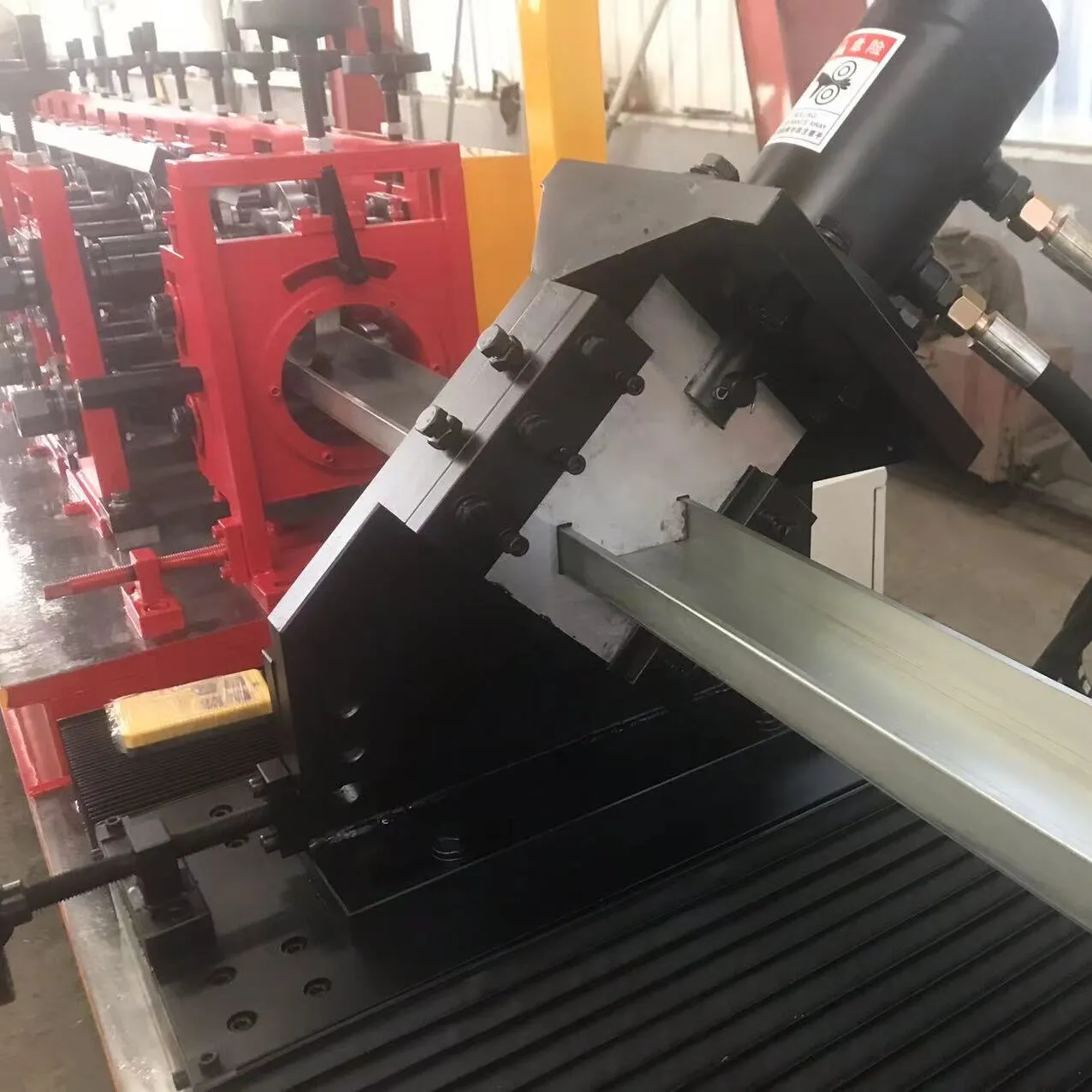
- Roll Forming (Cold Forming): This is the core process. The flat strip progressively moves through a series of roller stations. Each station applies specific pressure and shaping, gradually bending the metal into the desired channel profile (e.g., C-channel, U-channel, furring channel) without heating the material. The precision of CNC machining ensures the rollers maintain exact profiles.
- Punching (Optional): If holes for fasteners or services are required, a punching unit can be integrated into the line, operating either before or after the main roll forming section.
- Cutting: Once the desired profile is formed, a flying shear or hydraulic cutting device precisely cuts the continuous channel into predetermined lengths. This cutting action is synchronized with the line speed to ensure accuracy.
- Output & Stacking: The finished channels are then discharged onto an output table or an automatic stacker, ready for packaging and dispatch.
Product Materials: Predominantly galvanized steel (G60 to G90 coating, typically 0.4mm to 1.2mm thickness), offering excellent corrosion resistance and strength-to-weight ratio. The specific drywall roll forming machine material used dictates the machine's forming capacity and tooling. The manufacturing process is entirely cold forming, avoiding the need for casting or forging, which would alter the material properties.
Testing Standards: Adherence to international standards such as ISO 9001 for quality management and CE marking for European market compliance is standard. Product dimensional accuracy typically conforms to ASTM C645, BS 7364, or equivalent local building codes.
Service Life: A well-maintained false ceiling channel machine can have an operational service life exceeding 15-20 years, with key components like rollers and cutters requiring periodic replacement based on wear and tear.
Target Industries: These machines are indispensable in civil and commercial construction, particularly in sectors requiring extensive suspended ceilings and partition walls, such as:
- Residential Building Development
- Commercial Complexes (Offices, Retail, Malls)
- Hospitality (Hotels, Resorts)
- Healthcare Facilities (Hospitals, Clinics)
- Educational Institutions
- Industrial Facilities (for non-structural partitions)
Advantages in Typical Application Scenarios: The precision of channels produced ensures easy and quick installation, reducing labor costs. The inherent corrosion resistance of galvanized steel provides longevity, particularly in environments with moderate humidity. Furthermore, the efficiency of the roll forming process contributes to energy saving by minimizing material waste and optimizing production speed.
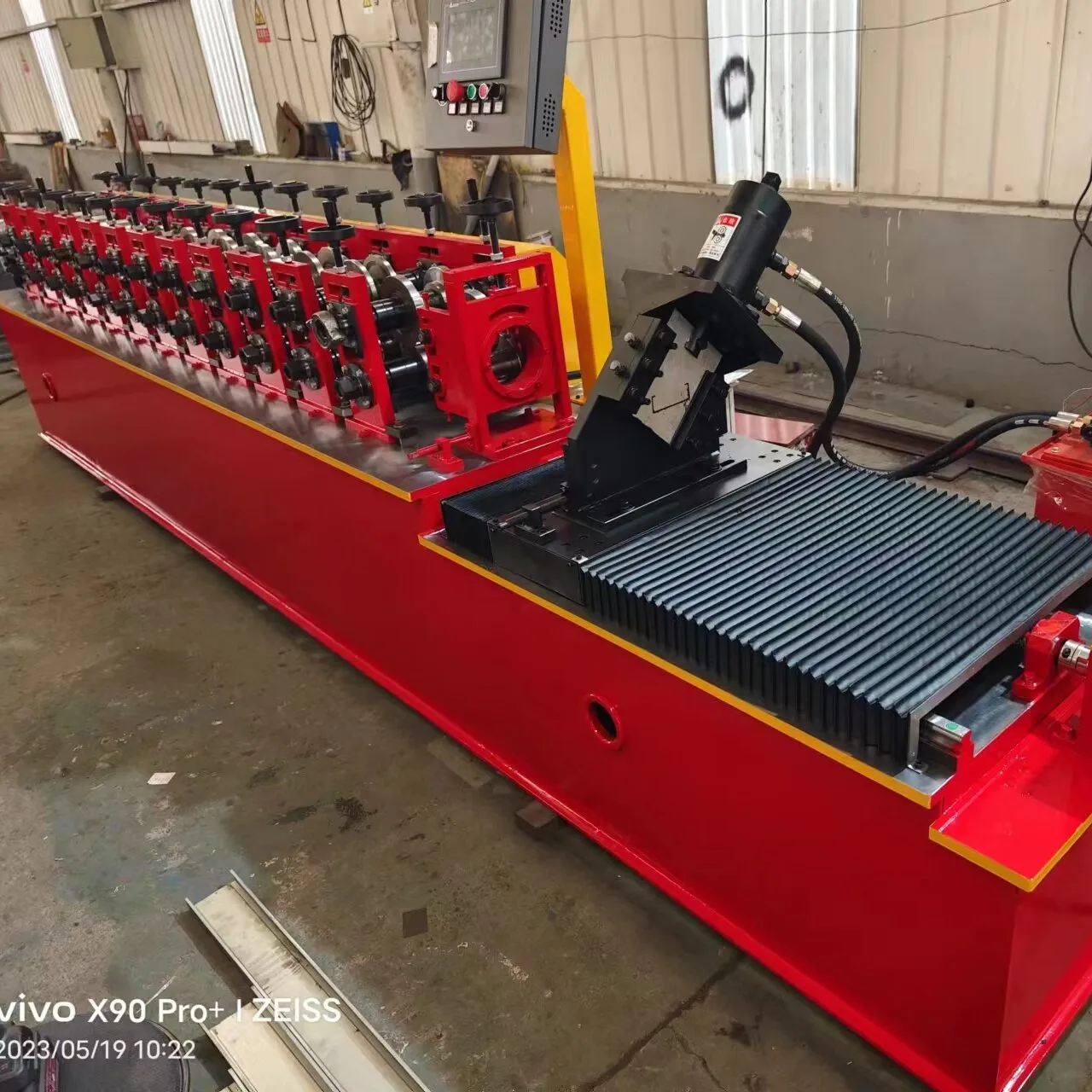
Technical Specifications: The Drywall Roll Forming Machine
Understanding the key technical parameters is crucial for selecting the appropriate false ceiling channel manufacturing machine to meet specific production requirements. These specifications directly impact the machine's performance, output quality, and overall cost-effectiveness. The ceiling channel roll forming machine price often correlates with these advanced features and capabilities.
| Parameter | Specification Range | Notes/Impact |
|---|---|---|
| Material Thickness | 0.4 mm - 1.2 mm (18-26 Gauge) | Determines the strength of finished channels and required roll stand strength. The drywall roll forming machine material handling capability is critical. |
| Material Width (Coil) | 100 mm - 300 mm (Adjustable) | Maximum width of the input steel coil. |
| Forming Speed | 20-40 m/min (adjustable) | Production efficiency. Higher speed typically implies more robust components. |
| Roll Stands | 12-24 stations | Number of forming stages. More stations allow for gradual, more precise forming of complex profiles. |
| Main Motor Power | 5.5 kW - 11 kW | Energy consumption and capacity to handle thicker materials. |
| Cutting Type | Hydraulic Flying Shear | Ensures precise, burr-free cuts without stopping the main line. |
| Control System | PLC with HMI Touch Screen | Enables automated operation, fault diagnosis, and parameter setting. |
| Machine Weight | 4,000 kg - 10,000 kg | Indicates structural robustness and stability during operation. |
| Footprint (L x W x H) | ~8m-12m x 1.5m x 1.5m | Space requirements for installation. |
These specifications are generalized, and actual machine parameters can vary significantly based on the manufacturer and specific model of the false ceiling channel making machine price point and intended application.
Application Scenarios and Industry Impact
The versatility of false ceiling channels, produced efficiently by a false ceiling channel machine, makes them indispensable across a wide spectrum of construction projects:
- Commercial Buildings: In office towers, shopping malls, and exhibition centers, false ceilings conceal HVAC ducts, electrical wiring, and plumbing, while providing an aesthetic finish and improving acoustic performance. The uniformity of channels from a quality roll forming machine ensures a seamless look.
- Residential Complexes: High-rise apartments and modern homes utilize false ceilings for integrated lighting, improved insulation, and achieving contemporary interior designs.
- Healthcare Facilities: Hospitals and clinics require sterile, easily maintainable environments. False ceilings allow for access to critical services while maintaining a clean appearance. The precise dimensions produced by a false ceiling channel manufacturing machine are crucial for these applications.
- Educational Institutions: Schools and universities benefit from sound-dampening false ceilings that create conducive learning environments.
- Industrial & Warehousing: While often simpler, industrial false ceilings manage utilities and sometimes enhance insulation. The durability of channels produced from suitable drywall roll forming machine material is paramount here.
The industry impact is significant: faster construction cycles, reduced material waste through optimized production, and consistent quality leading to safer and more durable structures. This directly contributes to the overall efficiency and cost-effectiveness of construction projects globally.
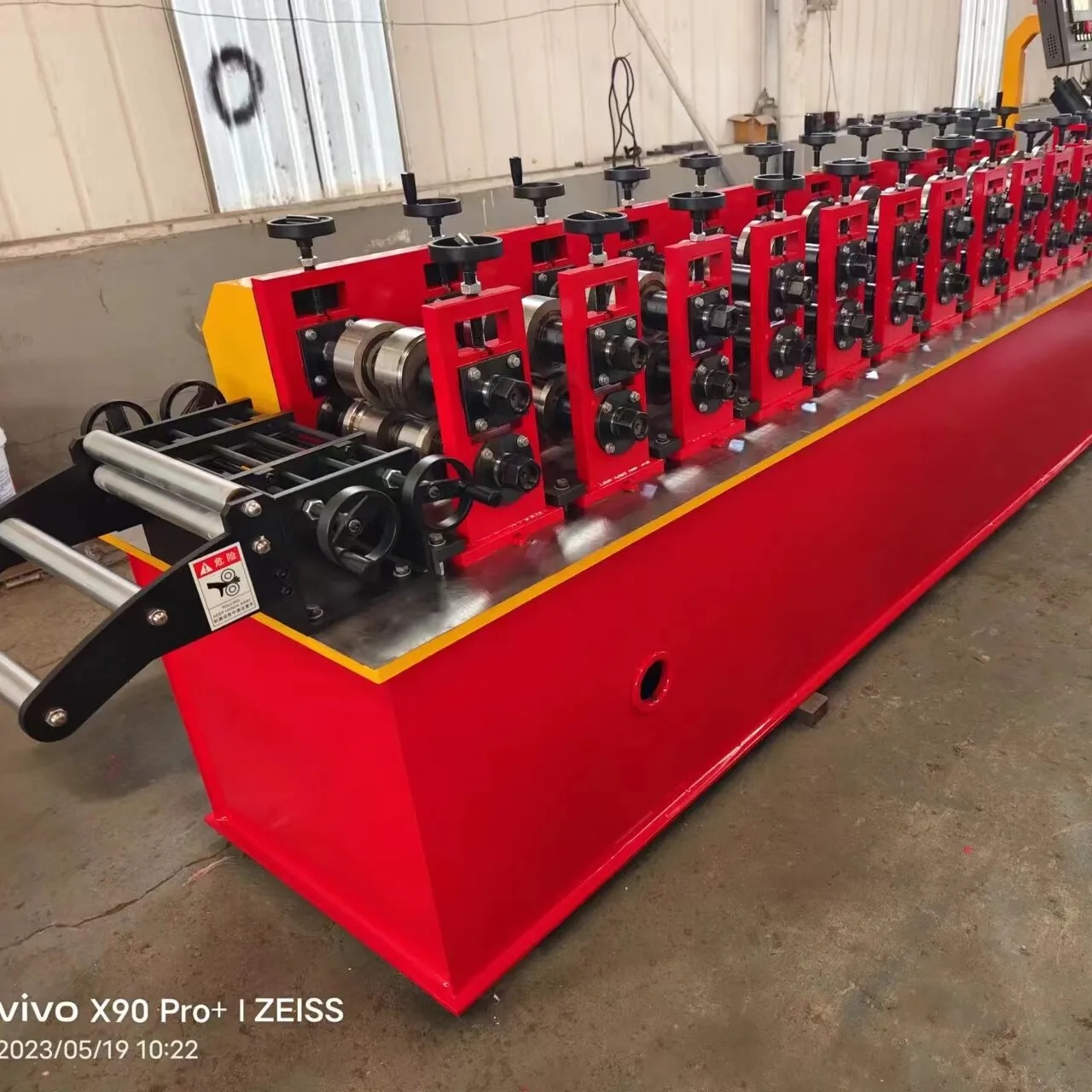
Technical Advantages of Advanced Roll Forming Technology
Modern false ceiling channel machines offer a multitude of technical advantages that set them apart from traditional manufacturing methods:
- High Precision and Consistency: Through finely tuned roll tooling and advanced control systems, these machines produce channels with extremely tight dimensional tolerances, ensuring perfect fit and finish during installation. This precision is a direct result of superior engineering in the false ceiling channel manufacturing machine.
- Exceptional Production Speed: Continuous roll forming allows for rapid production, significantly outpacing stamping or brake-forming methods. Speeds of 20-40 meters per minute are common, translating to high daily output.
- Material Optimization and Waste Reduction: The cold roll forming process minimizes material deformation and scrap. Integrated cutting systems ensure optimal length utilization, contributing to both economic and environmental benefits. The quality of the drywall roll forming machine material input directly impacts waste.
- Versatility in Profile Production: With interchangeable tooling and adjustable parameters, a single ceiling channel roll forming machine can be configured to produce various channel profiles (e.g., C, U, L, furring channels, main runners) catering to diverse market demands.
- Low Energy Consumption per Unit: While requiring significant power, the continuous nature and efficiency of roll forming mean that the energy consumption per linear meter of channel produced is remarkably low compared to batch processes.
- Superior Surface Finish: The cold forming process preserves the surface integrity of the galvanized steel, resulting in a smooth, unblemished finish that is ideal for construction applications without further treatment.
- Integrated Punching & Notching: Many advanced machines include inline punching and notching capabilities for service holes or connection points, further streamlining the production process and enhancing product functionality.
These advantages collectively contribute to a highly efficient, cost-effective, and quality-driven manufacturing process for essential building components.
Vendor Comparison: Choosing the Right False Ceiling Channel Machine
Selecting the optimal false ceiling channel machine requires a thorough comparison of available vendors, considering not just the ceiling channel roll forming machine price but also critical factors like technology, after-sales support, and customization capabilities. Here's a comparative overview:
| Feature/Criterion | Vendor A (e.g., Established Global Brand) | Vendor B (e.g., Specialized Regional Manufacturer) | Vendor C (e.g., Emerging Cost-Effective Supplier) |
|---|---|---|---|
| Technology & Automation Level | High-end, fully automated PLC with remote diagnostics. | Advanced PLC, good automation, some manual adjustments. | Basic PLC, reliable, less automation, more manual input. |
| Forming Speed (m/min) | Up to 40-50 | 25-35 | 15-25 |
| Material Thickness Range | 0.3 - 1.5 mm | 0.4 - 1.2 mm | 0.5 - 1.0 mm |
| Customization Options | Extensive, full engineering support for bespoke profiles. | Moderate, offers common variations and some custom tooling. | Limited, mainly standard profiles. |
| After-Sales Support & Warranty | Global network, 24/7 support, 2-year full warranty. | Regional presence, good support, 1-year warranty. | Online/phone support, limited onsite, 1-year basic warranty. |
| Certifications | ISO 9001, CE, ASTM, relevant national standards. | ISO 9001, CE. | CE. |
| Typical Price Range (Ex-Works) | $80,000 - $150,000+ | $50,000 - $90,000 | $30,000 - $60,000 |
This comparison highlights that while a lower false ceiling channel making machine price might be attractive, it often comes with trade-offs in terms of automation, speed, customization, and long-term support. A comprehensive evaluation based on specific project needs and budget is always recommended.
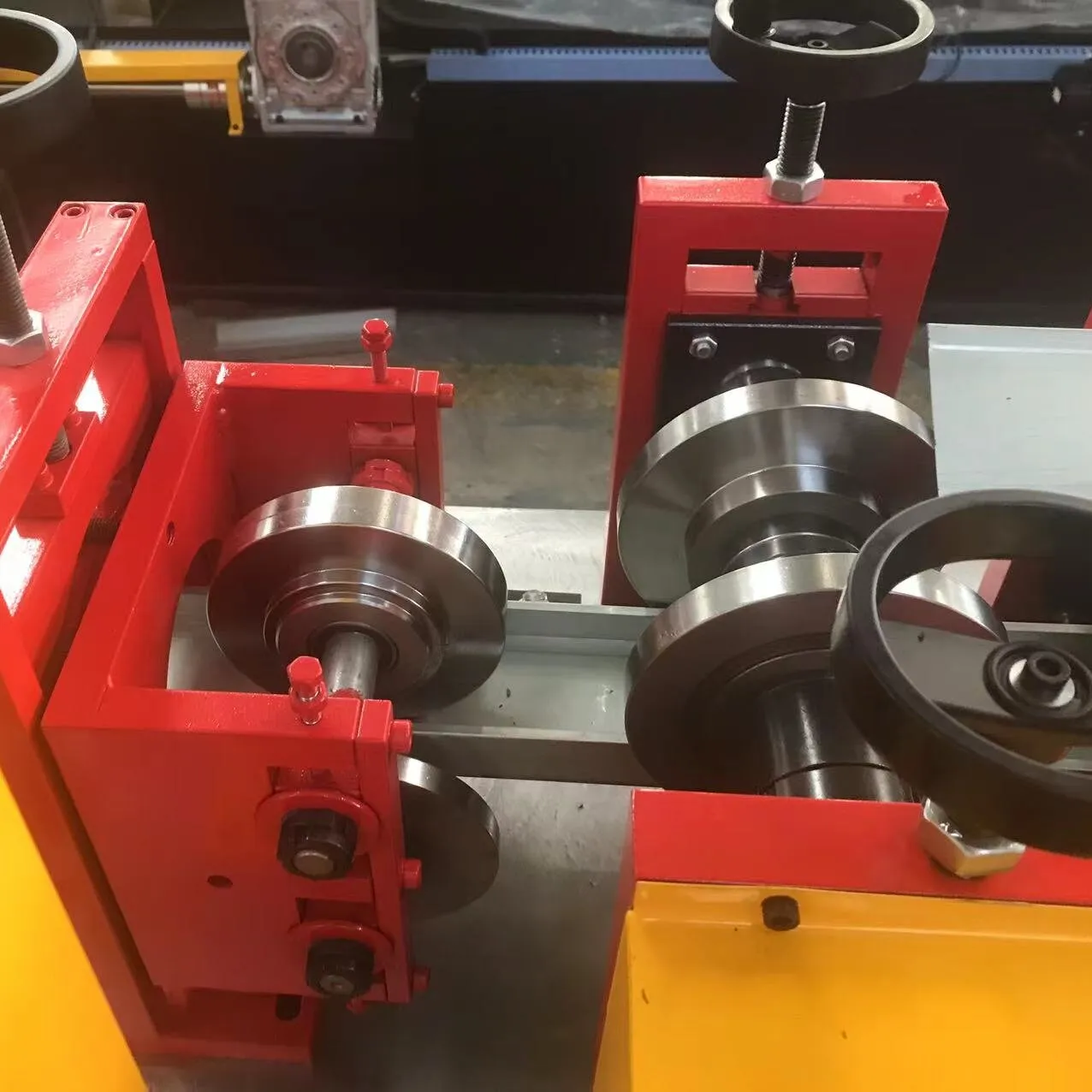
Customized Solutions for Diverse Production Needs
Recognizing that no two manufacturing operations are identical, leading suppliers of false ceiling channel machines offer tailored solutions. Customization can involve several aspects:
- Profile Design: Beyond standard C and U channels, machines can be engineered to produce proprietary or complex profiles required for specific architectural systems or regional market demands. This involves custom roll tooling design and manufacturing.
- Material Compatibility: While galvanized steel is standard, customization can extend to handling pre-painted steel, aluminum, or even stainless steel, which requires specific adjustments to roller materials, pressure settings, and lubrication systems for the drywall roll forming machine material section.
- Production Speed & Capacity: For high-volume manufacturers, machines can be optimized for higher speeds and integrated with advanced automation like automatic coil loading and robotic stacking systems. Conversely, for smaller operations, more compact and manually operated solutions might be preferred.
- Integrated Processes: Customization often includes incorporating inline punching, notching, embossing, or even stamping units for branding or specific fastening features, creating a more integrated and efficient production line.
- Control System Features: Advanced software integration for production monitoring, remote diagnostics, and seamless integration with existing factory management systems (MES/ERP) can be tailored.
This ability to customize ensures that the investment in a false ceiling channel making machine price delivers maximum value and operational efficiency for the specific business context, whether it's optimizing for material type, output volume, or unique product features.
Real-World Application Case Studies
The tangible benefits of a high-quality false ceiling channel manufacturing machine are best illustrated through real-world applications:
- Case Study 1: Large-Scale Commercial Project in Dubai
A leading construction material supplier in the UAE deployed a high-speed false ceiling channel machine with integrated punching. This enabled them to supply over 500,000 linear meters of C-channel and furring channel for a new mega-mall project within a tight 6-month deadline. Customer feedback highlighted the machine's reliability, minimal downtime, and the consistent quality of profiles which significantly sped up onsite installation. - Case Study 2: Modular Home Manufacturer in Europe
A factory specializing in prefabricated modular homes invested in a customized drywall roll forming machine material handling system capable of processing thinner gauge galvanized steel (0.4mm) with pre-drilled holes for rapid assembly. The machine's precision allowed for "plug-and-play" installation of ceiling systems in their modules, reducing labor costs by 20% and improving production throughput by 30%. - Case Study 3: Acoustic Ceiling System Producer in North America
A manufacturer of specialized acoustic ceiling systems required unique, complex channel profiles. They partnered with a vendor to develop a custom ceiling channel roll forming machine with advanced roll tooling. The solution not only met their specific profile requirements but also ensured precise alignment for sound-dampening panels, enhancing the final product's performance and market competitiveness.
These examples demonstrate how a well-chosen and well-implemented false ceiling channel machine can translate into significant operational efficiencies, cost savings, and a competitive edge for businesses in the construction supply chain.
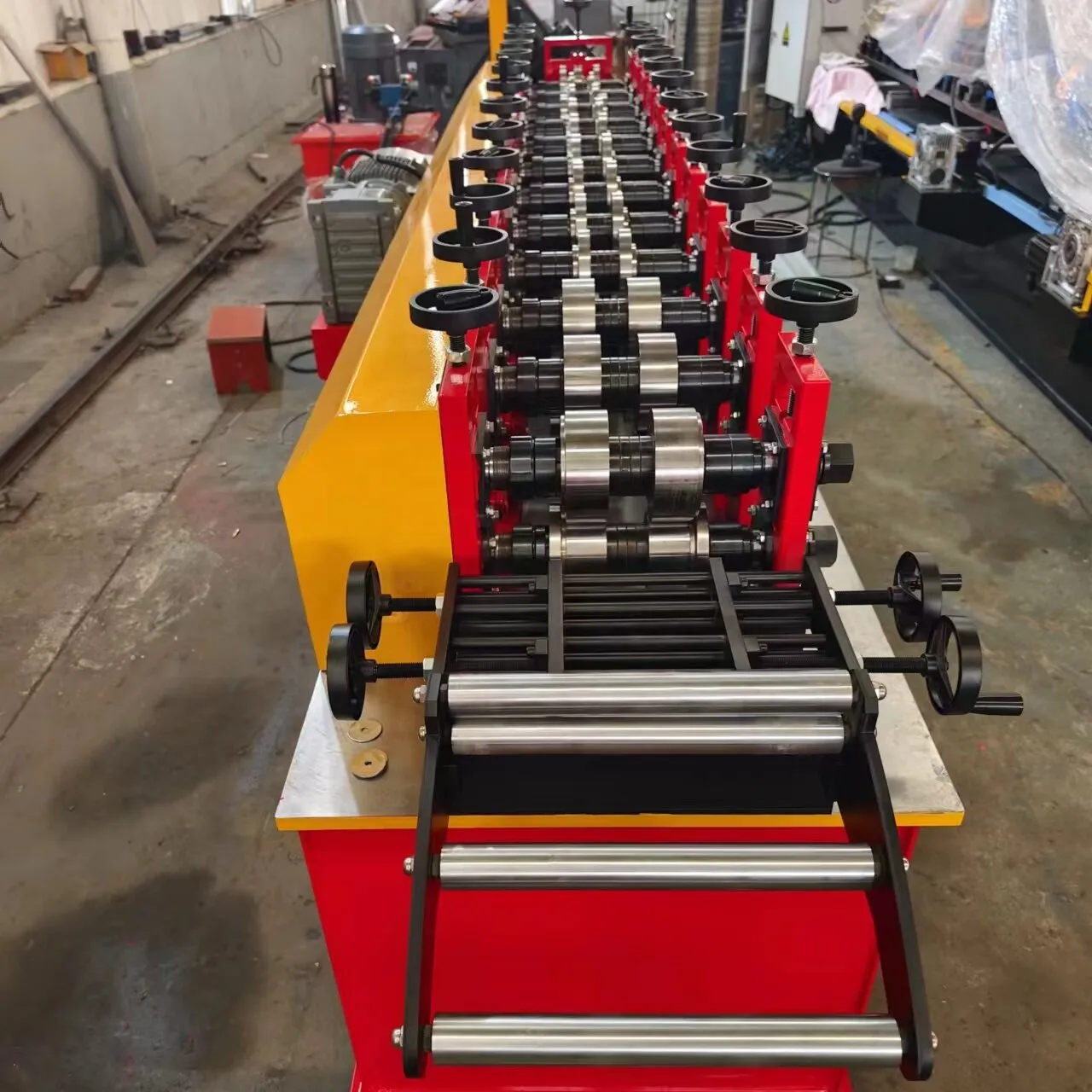
Ensuring Trust: Certifications, Warranty, and Support
For B2B buyers, trustworthiness is paramount. Reputable manufacturers of false ceiling channel making machine price solutions prioritize transparency and robust customer support:
- Certifications: Look for machines that bear internationally recognized certifications such as ISO 9001 (Quality Management System) and CE marking (European conformity). These indicate adherence to rigorous quality and safety standards.
- Lead Time & Fulfillment: Standard machines typically have a lead time of 30-60 days, while custom orders may range from 60-120 days depending on complexity. Reliable vendors provide clear delivery schedules and logistical support.
- Warranty Commitments: A standard warranty typically covers 12-24 months from installation or shipment, covering major mechanical and electrical components against manufacturing defects. Detailed terms should always be reviewed.
- Customer Support: Comprehensive after-sales support includes installation and commissioning services, operator training, readily available spare parts, and responsive technical assistance (remote diagnostics, onsite visits if necessary). Long-term relationships are built on reliable support.
- Partner Clients: While specific client names may be confidential, reputable manufacturers can often share testimonials or general information about their client base, demonstrating their experience across various industries and regions.
These elements collectively build confidence in the product and the supplier, ensuring a long-term, productive investment.
Frequently Asked Questions (FAQ)
- Q1: What types of profiles can a false ceiling channel machine produce?
- A1: It can produce various profiles including C-channels, U-channels, furring channels, main runners, wall angles, and sometimes custom-designed profiles for specific ceiling and drywall systems.
- Q2: What is the typical lifespan of the tooling (rollers) on a drywall roll forming machine?
- A2: The lifespan of tooling largely depends on the material processed and production volume. High-quality Cr12Mov or SKD11 steel rollers, properly maintained, can last for 5-10 years or more, producing millions of linear meters before requiring re-grinding or replacement.
- Q3: Can the machine produce channels of different lengths automatically?
- A3: Yes, most modern machines are equipped with a PLC control system that allows operators to program desired channel lengths and quantities. The flying shear then cuts automatically to those specifications.
- Q4: What kind of maintenance is required for a false ceiling channel manufacturing machine?
- A4: Regular maintenance includes checking and lubricating bearings, inspecting electrical connections, cleaning rollers and cutting dies, checking hydraulic fluid levels, and ensuring all fasteners are tight. A comprehensive maintenance schedule is usually provided by the manufacturer.
- Q5: How does the drywall roll forming machine material type affect machine performance and false ceiling channel making machine price?
- A5: Thicker or harder materials (e.g., stainless steel vs. galvanized steel) require a more robust machine frame, more powerful motors, and more durable tooling, which can increase the overall machine cost. The choice of material also impacts forming speed and tool wear.
Conclusion
The false ceiling channel machine is an indispensable asset for modern construction material manufacturing, offering unparalleled precision, speed, and material efficiency. As the construction industry continues its trajectory towards greater automation and demands for higher quality, the technological advancements in roll forming machinery will remain at the forefront. Investing in a robust, reliable, and intelligently designed false ceiling channel machine is not just a procurement decision; it is a strategic move that underpins operational excellence, competitive advantage, and long-term business success in the global building materials market.
Authoritative References
- ASTM International. "ASTM C645 - Standard Specification for Nonstructural Steel Framing Members." Retrieved from astm.org
- Roll Forming Institute. "The Principles of Cold Roll Forming." Retrieved from roll-forming.org
- ISO. "ISO 9001:2015 - Quality management systems." Retrieved from iso.org
- European Commission. "CE marking." Retrieved from ec.europa.eu
- Journal of Construction Engineering and Management. "Advances in Light Gauge Steel Framing Systems." Vol. 147, Issue 1.