
High-Efficiency Steel Tube Mill & SS Pipe Production
Decoding the Modern steel tube mill Landscape: Innovations and Strategic Advantages
The global demand for high-quality tubing across various industrial sectors has spurred significant advancements in steel tube mill technology. From infrastructure to intricate mechanical systems, the integrity and performance of steel tubes are paramount. Modern steel tube mill operations are characterized by precision, efficiency, and adaptability, catering to an ever-evolving market that prioritizes durability, specific material properties, and cost-effectiveness. This article delves into the critical aspects of advanced tube manufacturing, highlighting key trends, technical intricacies, and the strategic benefits for B2B stakeholders.
The industry is currently witnessing a paradigm shift towards automation, intelligent control systems, and enhanced material compatibility. This evolution is driven by the need for higher production speeds, reduced waste, and the ability to process a wider range of alloys, including various grades of stainless steel. As a result, the capabilities of contemporary steel tube mill solutions are expanding, offering unprecedented precision and operational reliability to meet the stringent demands of sectors such as petrochemicals, automotive, construction, and power generation.
Industry Trends Shaping Stainless Steel and Carbon Steel Tube Manufacturing
The stainless steel tube mills sector, in particular, is experiencing robust growth, fueled by increasing applications requiring superior corrosion resistance, high-temperature strength, and aesthetic appeal. Key trends include:
- Automation and Industry 4.0 Integration: Advanced sensor technology, IoT, and AI are being integrated into steel pipe mills for predictive maintenance, real-time quality control, and optimized production scheduling. This reduces human error, increases uptime, and enhances overall operational efficiency.
- Sustainable Manufacturing Practices: A growing emphasis on energy efficiency, waste reduction, and the use of recyclable materials aligns with global environmental regulations and corporate social responsibility goals. Modern steel tubing mills are designed to minimize energy consumption and material scrap.
- High-Strength and Specialty Alloys: Demand for tubes made from high-strength low-alloy (HSLA) steels, duplex stainless steels, and other specialty alloys is rising, driven by industries requiring enhanced performance in extreme conditions.
- Customization and Flexibility: Manufacturers require ss tube mill solutions that can quickly adapt to varying product specifications, including different diameters, wall thicknesses, and material grades, often in smaller batch sizes.
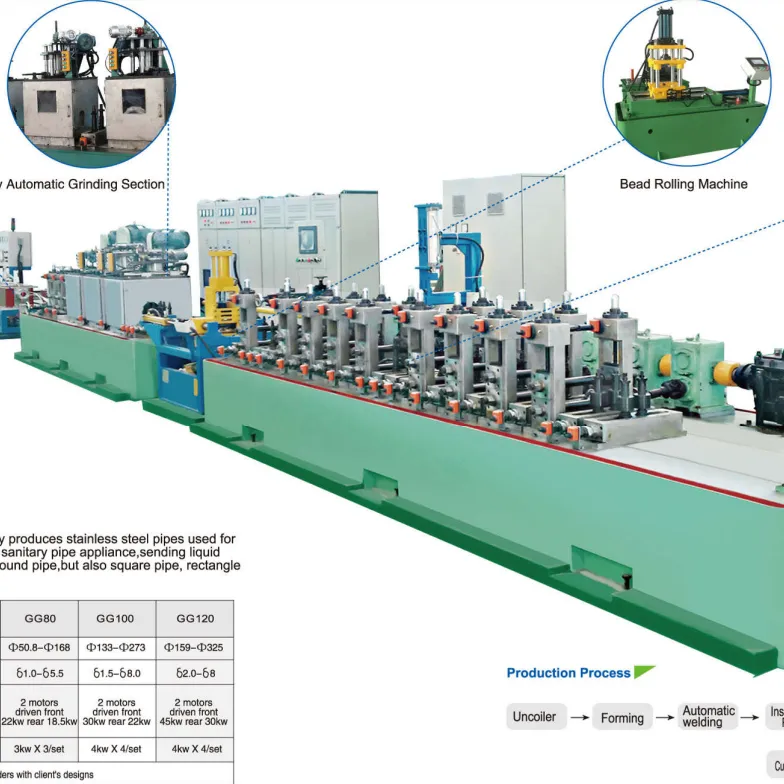
These trends highlight a dynamic industry focused on innovation and continuous improvement, where the capabilities of the tube mill directly translate into competitive advantages for end-users.
Manufacturing Process Flow of a Steel Tube Mill
The manufacturing process in a modern steel tube mill is a sophisticated sequence of operations designed to transform flat steel strips into precise tubular forms. For stainless steel, the process ensures optimal material properties for corrosion resistance and structural integrity. Below is a detailed schematic of the typical welded tube manufacturing process:
- Coil Feeding & Uncoiling: High-quality steel coils (e.g., 304, 316L stainless steel, or various carbon steel grades) are loaded onto an uncoiler. The lead end of a new coil is often welded to the tail end of the previous one to ensure continuous operation.
- Accumulation: A horizontal or vertical accumulator stores a buffer of strip, allowing the mill to run continuously during coil changes and welding.
- Forming Section: The flat strip passes through a series of forming rolls. These rolls progressively shape the strip into an open-seam tube. This involves precise CNC machining of rolls to achieve the desired tube profile, ensuring tight tolerances.
- Welding Section: The formed strip's edges are precisely brought together and welded. High-frequency (HF) induction welding is a common method for achieving a strong, consistent seam without filler material, ensuring minimal heat-affected zone and superior weld quality. Laser welding is also employed for specific applications requiring even higher precision.
- Bead Scarfing: The excess weld bead (flash) from both the inside and outside of the tube is removed by a scarfing tool, ensuring a smooth surface finish and consistent wall thickness.
- Sizing & Straightening: The newly welded tube passes through sizing rolls to achieve the exact final outer diameter and wall thickness. This section also ensures the tube is perfectly straight.
- Cutting Section: A flying cut-off saw or cold saw accurately cuts the continuous tube into predetermined lengths without stopping the production line.
- Finishing & Testing: Tubes undergo various post-welding processes such as annealing (for stress relief and improved material properties, especially for stainless steel), pickling, polishing, and end-facing. Critical testing includes non-destructive testing (NDT) like eddy current testing, ultrasonic testing, and hydrostatic testing to ensure compliance with international standards such as ISO 3183, ASTM A554, and ANSI B36.10/36.19. These tubes are designed for an extended service life, often exceeding 20-30 years in typical applications, depending on the environment and material.
The YW-40 Stainless Steel Tube Mill exemplifies this advanced process, specializing in producing high-quality tubes for demanding industries like petrochemicals, metallurgy, and water supply & drainage. Its advantages include superior energy saving mechanisms, highly corrosion-resistant outputs, and robust construction engineered for continuous operation.
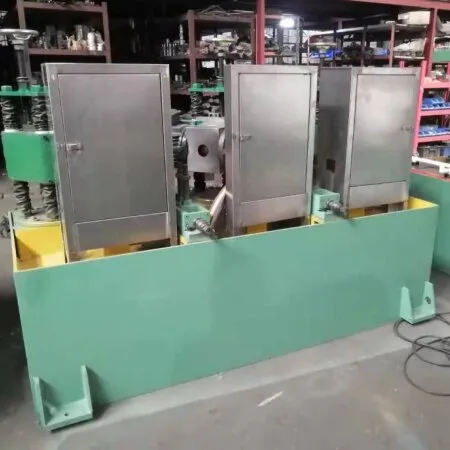
Technical Specifications: YW-40 Stainless Steel Tube Mill
Understanding the technical parameters is crucial for selecting the appropriate steel tube mill for specific production needs. The YW-40 Stainless Steel Tube Mill is engineered for precision and high-volume production of stainless steel tubes. Below are its detailed specifications:
| Parameter | Specification |
|---|---|
| Tube Diameter Range | Φ12.7 mm - Φ50.8 mm (0.5" - 2.0") |
| Wall Thickness Range | 0.4 mm - 2.0 mm |
| Production Speed | Max 80 m/min |
| Main Motor Power | 22 kW - 37 kW (depending on configuration) |
| Welding Type | High Frequency (HF) Induction Welding |
| Applicable Materials | Stainless Steel (200, 300, 400 series), Carbon Steel, Galvanized Steel |
| Roller Material | SKD11, D2, or Cr12MoV (Precision CNC Machined) |
| Cutting Method | Flying Saw or Cold Saw |
| Overall Dimensions (L x W x H) | Approx. 15m x 1.5m x 1.8m |
| Control System | PLC-based with HMI interface |
| Compliance | ISO 9001:2015, CE Certified |
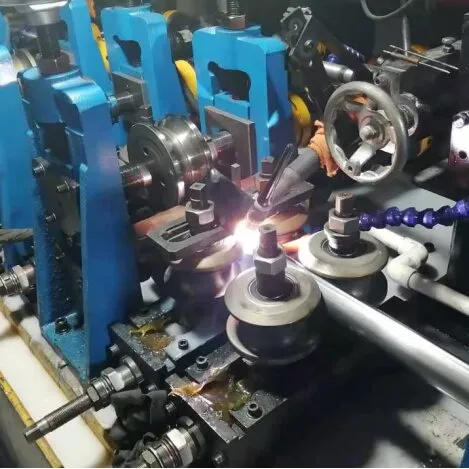
These specifications underscore the YW-40's capability to deliver high-precision stainless steel tubing crucial for industries demanding uncompromising quality and reliability. The robust design and advanced control systems contribute to minimal downtime and consistent product output.
Application Scenarios and Technical Advantages
The versatility of modern steel tubing mills enables them to serve a broad spectrum of industries, each with unique requirements. The YW-40, for instance, excels in applications where material integrity and consistent dimensions are paramount.
Typical Application Scenarios:
- Petrochemical Industry: Tubes for heat exchangers, condensers, and piping systems that handle corrosive fluids and high temperatures. Stainless steel tubes manufactured by robust ss tube mill equipment offer exceptional corrosion resistance against chemicals and extreme operating conditions, ensuring plant safety and longevity.
- Water Supply & Drainage: Reliable and corrosion-resistant piping for municipal and industrial water treatment facilities. The precise welding and sizing minimize leakage points and extend the service life of infrastructure.
- Automotive Sector: Exhaust systems, structural components, and fluid transfer lines. The ability of the steel pipe mills to produce lightweight yet strong tubes contributes to fuel efficiency and structural integrity.
- Construction and Architecture: Decorative and structural elements, railings, and support structures where aesthetics and strength are equally important. High-quality surface finishes are achievable with advanced tube mill technologies.
- General Manufacturing: Components for machinery, furniture, and various consumer goods where specific tube dimensions and material properties are required.
Technical Advantages of Advanced Steel Tube Mills:
- Energy Saving: Modern HF welding technology is highly efficient, converting electrical energy into heat with minimal loss. Optimized motor drives and intelligent control systems further reduce overall power consumption compared to older models, leading to significant operational cost savings.
- Corrosion Resistance: For stainless steel tubes, the precision forming and welding process ensures that the inherent corrosion resistance of the material (e.g., passivation layer) is maintained and not compromised by thermal distortion or impurities. This is crucial for applications in harsh environments.
- High Dimensional Accuracy: Advanced roll forming and sizing sections, often paired with laser measurement systems, ensure exceptionally tight tolerances on outer diameter, wall thickness, and straightness, meeting stringent industry standards (e.g., +/- 0.05 mm for diameter).
- Enhanced Weld Integrity: Utilizing high-frequency induction welding creates a strong, clean weld seam with a narrow heat-affected zone, minimizing metallurgical changes and stress points. This translates to superior mechanical properties and longer service life for the tubes.
- Operational Efficiency: Automated coil handling, continuous operation features, and quick-change tooling reduce setup times and increase overall production throughput.
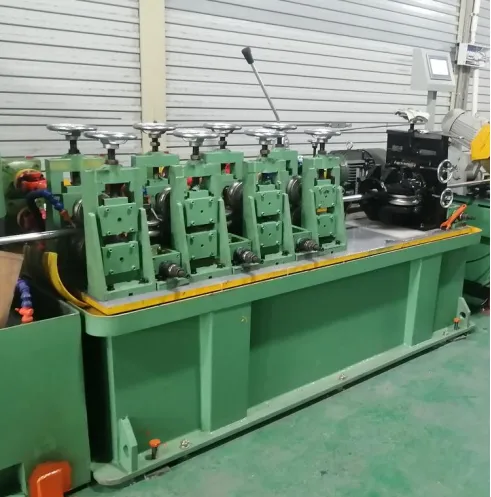
Vendor Comparison and Customized Solutions
Choosing the right steel tube mill supplier is a critical strategic decision. Factors such as technological prowess, after-sales support, customization capabilities, and proven track record differentiate leading manufacturers. Yowin Machine, with its decades of experience, stands out by offering robust, high-performance solutions like the YW-40.
Key Factors for Vendor Comparison:
- Technology & Innovation: Assess the level of automation, welding technology (HF, Laser), and integration with Industry 4.0 principles (e.g., predictive maintenance systems).
- Material Compatibility: Does the mill effectively process the required range of materials (e.g., various stainless steel grades, carbon steel, galvanized steel)?
- Output Quality & Standards: Verification of compliance with international standards (ISO, ASTM, EN) and consistently tight tolerances.
- Energy Efficiency: Evaluate power consumption per unit of output, contributing to lower operating costs and environmental impact.
- After-Sales Support & Service: Availability of spare parts, technical assistance, training, and warranty.
- Customization Capability: The ability to tailor machine configurations, tooling, and automation levels to specific production requirements.
Customized Solutions:
Leading manufacturers understand that off-the-shelf solutions may not always meet unique production demands. Customization options for steel tubing mills often include:
- Roll Forming Design: Tailoring roll sets for specific tube profiles (round, square, rectangular, oval) and material grades to optimize forming efficiency and minimize material stress.
- Welding System Integration: Choice between HF induction, TIG, or laser welding modules based on material thickness, production speed, and weld quality requirements.
- Automated Handling Systems: Integration of automatic coil loading, strapping, and bundling systems to enhance efficiency and safety.
- Advanced NDT Integration: Incorporating in-line eddy current, ultrasonic, or X-ray testing for real-time quality assurance and immediate defect detection.
- Smart Control Systems: Custom PLC programming and HMI interfaces for specialized operational control, data logging, and remote diagnostics.
By offering such flexible solutions, suppliers ensure that clients receive a steel tube mill that perfectly aligns with their operational goals and future expansion plans.
Application Case Study: High-Volume Stainless Steel Production
A leading manufacturer of automotive exhaust components faced challenges with their outdated tube mill, including high scrap rates, inconsistent weld quality, and limited production speed. Their requirement was a high-speed stainless steel tube mills solution capable of producing various grades of 304 and 409L stainless steel tubes with exceptional weld integrity for catalytic converters and muffler systems.
Solution Implemented:
The client invested in a customized YW-40 Stainless Steel Tube Mill with enhanced HF welding capabilities and an integrated in-line eddy current testing system. The solution included:
- Optimized Forming Section: Custom-designed roll sets for precise forming of thin-walled stainless steel strips, minimizing material deformation and internal stresses.
- High-Efficiency HF Welder: A 200kW HF induction welder ensured rapid, clean, and strong welds, reducing the heat-affected zone.
- Automated Cut-Off: A flying cold saw for burr-free cutting at high speeds, critical for subsequent automated assembly.
- Advanced PLC Control: Integrated HMI for easy operation, real-time monitoring of production parameters, and fault diagnosis.
Results Achieved:
- 25% Increase in Production Speed: The new mill achieved stable production at 65 m/min, significantly exceeding previous capabilities.
- 80% Reduction in Weld Defects: The advanced HF welding and in-line NDT dramatically improved weld quality and consistency, leading to minimal scrap.
- 15% Energy Saving: Optimized motor drives and intelligent power management resulted in a noticeable reduction in operational energy costs.
- Enhanced Product Quality: Tubes consistently met ASTM A554 standards for stainless steel mechanical tubing, improving customer satisfaction and reducing warranty claims.
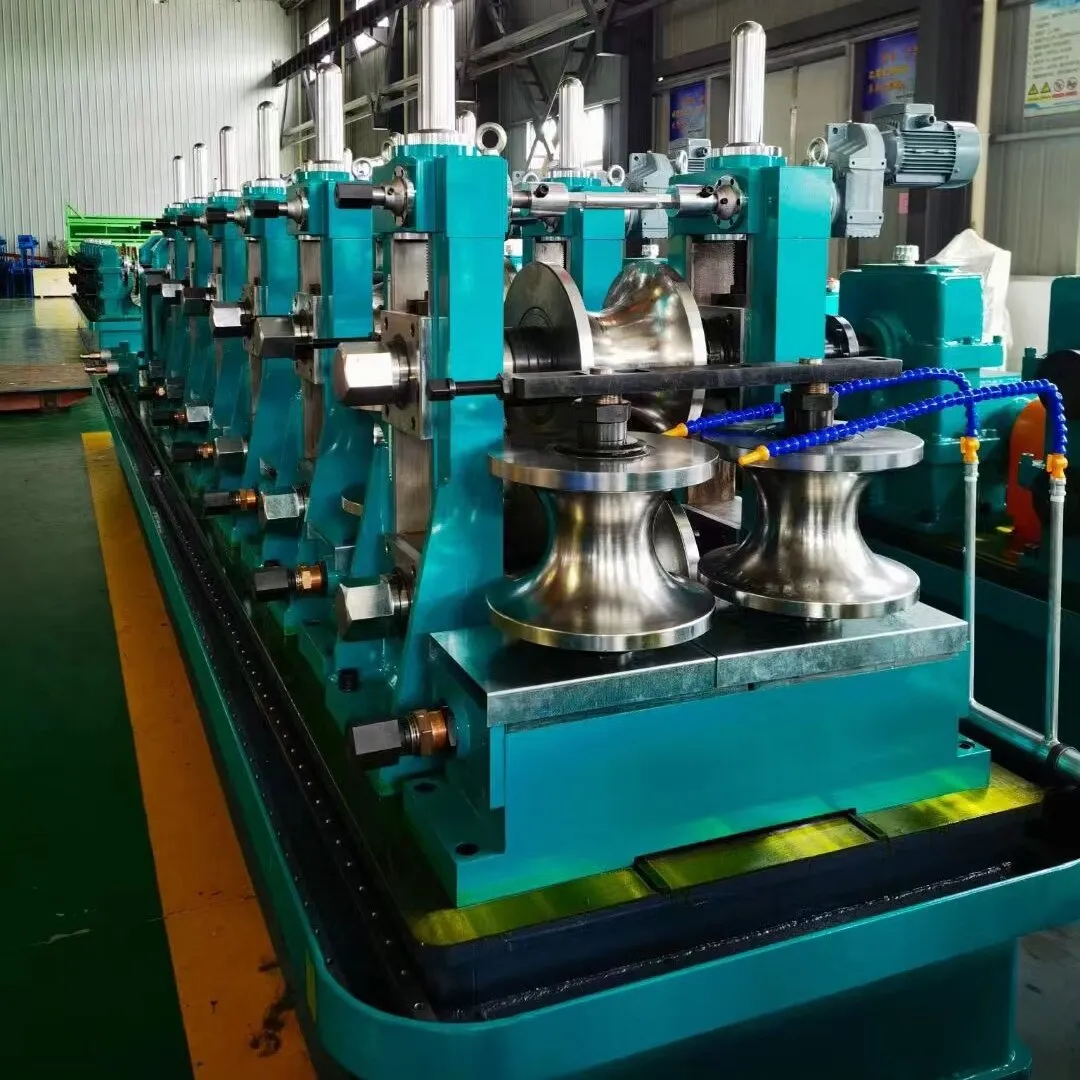
This case study demonstrates the tangible benefits of investing in a modern, technologically advanced steel tube mill solution that is tailored to specific industry demands.
Trustworthiness: FAQ, Lead Time, Warranty & Support
Frequently Asked Questions (FAQ):
Q: What materials can the YW-40 process?
A: The YW-40 is primarily designed for stainless steel (200, 300, 400 series) but can also handle carbon steel and galvanized steel with appropriate tooling adjustments.
Q: How does Yowin ensure product quality?
A: We adhere strictly to ISO 9001:2015 quality management systems. Our machines undergo rigorous internal testing and are CE certified. Key components are sourced from reputable global suppliers. Our experienced engineers conduct final calibration and performance tests before shipment.
Q: Can the mill produce different tube sizes?
A: Yes, the YW-40 is designed for versatility within its diameter range (Φ12.7 mm - Φ50.8 mm). Changing tube sizes typically involves adjusting or replacing the forming and sizing rolls, which is designed for quick changeover to maximize uptime.
Lead Time and Fulfillment:
Standard lead time for a YW-40 Stainless Steel Tube Mill is typically 60-90 business days from order confirmation and deposit, depending on customization requirements. Expedited options may be available upon request. We ensure transparent communication throughout the manufacturing and logistics process, providing regular updates on production milestones and shipping schedules.
Warranty Commitments:
All Yowin steel pipe mills, including the YW-40, come with a standard 12-month warranty from the date of commissioning or 15 months from shipment, whichever comes first. This warranty covers manufacturing defects and ensures peace of mind for our clients. Extended warranty options are available for comprehensive protection.
Customer Support and After-Sales Service:
Our commitment extends beyond delivery. Yowin provides comprehensive after-sales support, including:
- Installation & Commissioning: On-site technical assistance for seamless installation and setup by experienced engineers.
- Operator Training: Thorough training programs for your operating and maintenance staff to ensure optimal machine performance and longevity.
- Technical Assistance: 24/7 online and phone support for troubleshooting and operational queries.
- Spare Parts Supply: A readily available inventory of critical spare parts to minimize downtime.
- Maintenance & Upgrades: Scheduled maintenance services and opportunities for system upgrades to keep your steel tube mill at peak performance.
Our goal is to build long-term partnerships by ensuring the continuous and efficient operation of your Yowin equipment.
Conclusion
The evolution of the steel tube mill continues to push the boundaries of manufacturing efficiency, material capability, and product quality. For B2B decision-makers, investing in an advanced system like the YW-40 Stainless Steel Tube Mill is not merely an equipment purchase, but a strategic move towards enhanced productivity, lower operational costs, and the capability to meet increasingly stringent industry demands. The emphasis on precision engineering, robust construction, and comprehensive after-sales support ensures that these mills are reliable assets for years to come, solidifying their role as indispensable components in various industrial supply chains.
References
- ASTM International. "Standard Specification for Welded Stainless Steel Mechanical Tubing." www.astm.org
- International Organization for Standardization. "ISO 9001:2015 - Quality management systems." www.iso.org
- European Committee for Standardization. "EN 10219 - Cold formed welded structural hollow sections of non-alloy and fine grain steels." www.cen.eu
- Metal Forming Magazine. "Advances in Tube and Pipe Mills." www.metalformingmagazine.com