
Leading Beam Roll Forming Machine Suppliers | Quality & Custom Solutions
The Crucial Role of Beam Roll Forming Machine Suppliers in Modern Manufacturing
In the rapidly evolving landscape of industrial manufacturing, precision and efficiency are paramount. The ability to produce high-quality, structurally sound profiles consistently is a cornerstone for various sectors. This is where beam roll forming machine suppliers play a pivotal role. These specialized providers are instrumental in equipping industries with the advanced machinery required to convert flat metal sheets into complex C-beams, channels, and other structural profiles with unparalleled accuracy and speed. From construction to automotive, and from shelving systems to solar panel mounting, the demand for robust and cost-effective structural components continues to surge, directly impacting the innovation driven by leading beam roll forming machine manufacturers.
The technology behind modern roll forming is a testament to engineering ingenuity, offering significant advantages over traditional fabrication methods like pressing or braking. Roll forming ensures uniformity across long lengths, minimizes material waste, and allows for high-volume production, making it an indispensable process for large-scale projects. Understanding the capabilities and offerings of these suppliers, along with the technical intricacies of their machines, is essential for any B2B decision-maker or engineering professional seeking to optimize their production lines and enhance product quality.
Detailed Manufacturing Process of Roll Forming Machines
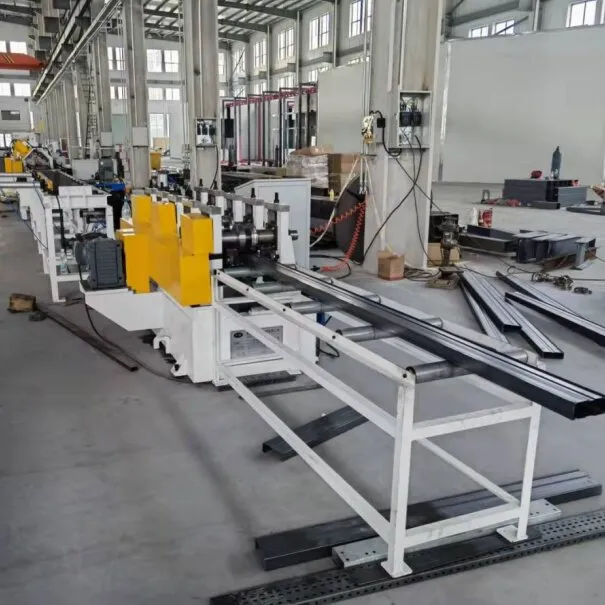
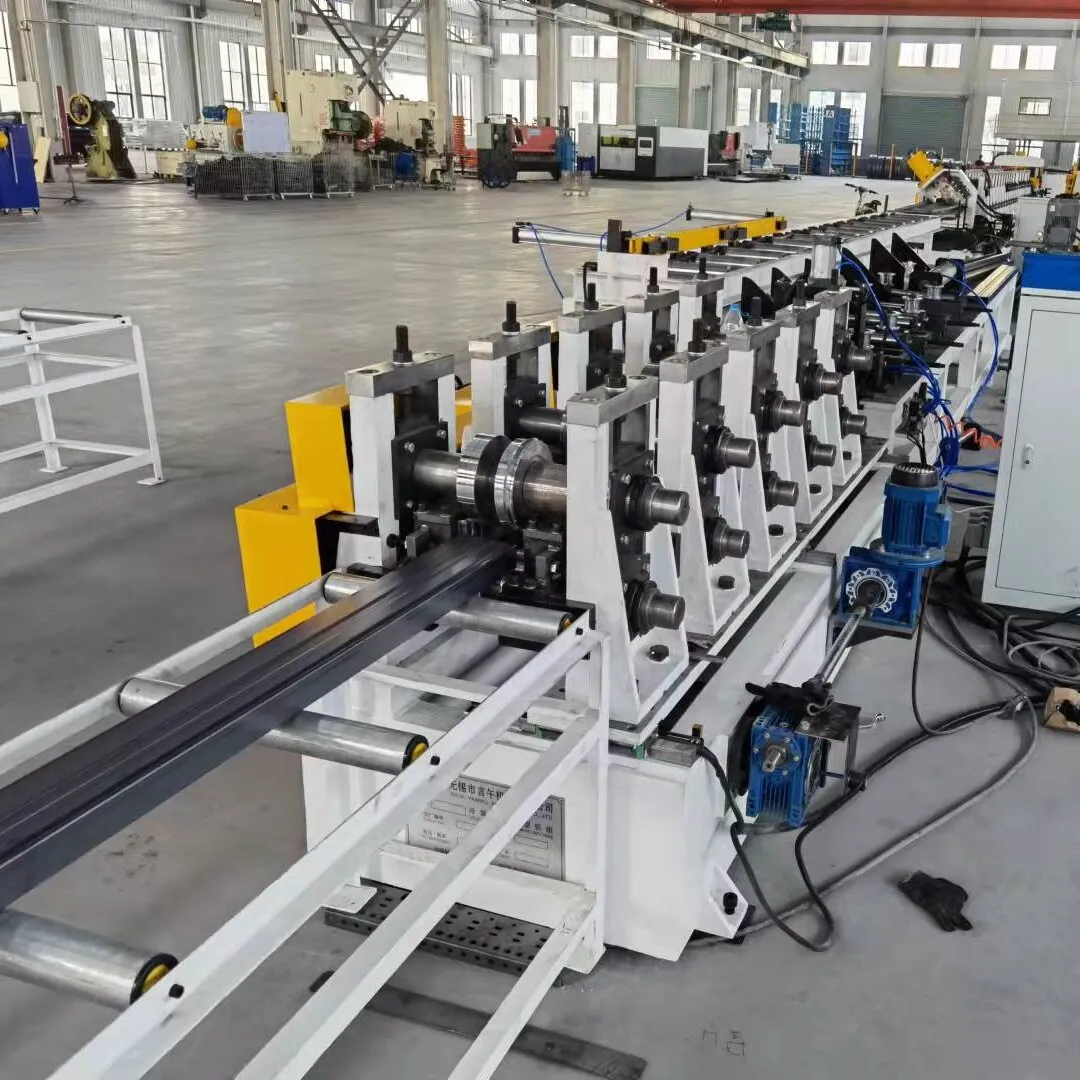
The production of a high-performance roll forming machine, such as an Automatic C Beam And Embrace Roll Forming Machine, is a complex process demanding precision engineering and stringent quality control. Reputable beam roll forming machine suppliers adhere to meticulous manufacturing flows to ensure their equipment meets the rigorous demands of industrial environments. The typical process involves several critical stages, from raw material selection to final assembly and testing.
Process Flow Overview:
- Material Sourcing & Preparation: High-grade steel, often alloyed with chromium, nickel, and molybdenum, is selected for critical components like shafts, rollers, and frames. These materials are chosen for their superior strength, wear resistance, and fatigue life. Manufacturing processes start with cutting and shaping these raw materials.
-
Component Fabrication (Casting, Forging, Welding):
- Casting: For larger, complex parts like gearboxes or certain frame elements, casting ensures optimal structural integrity and material distribution.
- Forging: Shafts, gears, and other high-stress components are often forged to enhance their grain structure, resulting in superior strength and impact resistance.
- Welding: Machine frames and bases are fabricated using advanced welding techniques (e.g., MIG, TIG) to ensure robust and stable structures capable of withstanding heavy operational loads.
- Precision Machining (CNC): All critical components undergo CNC machining for exceptional dimensional accuracy and surface finish. This includes milling, turning, grinding, and boring, ensuring perfect alignment and smooth operation of rollers, shafts, and other moving parts.
- Heat Treatment & Surface Finishing: Components subjected to high wear, like rollers and cutting blades, undergo heat treatment (e.g., induction hardening, nitriding) to significantly increase their hardness and service life. Surface finishing processes (e.g., chromium plating, polishing) further enhance durability and reduce friction.
- Assembly & Integration: Skilled technicians meticulously assemble the machine, integrating mechanical, electrical, and hydraulic systems. This includes precise alignment of roll stands, installation of control panels, and connection of hydraulic power units.
- Testing & Quality Assurance: Every machine undergoes rigorous testing, including load testing, operational speed tests, and profile accuracy verification. Adherence to international standards such as ISO 9001 for quality management and ANSI standards for machine safety is strictly maintained. The service life of these machines is typically engineered for 15-20 years with proper maintenance, showcasing robust design and material selection.
- Software Integration & Automation: Modern machines are equipped with advanced PLC (Programmable Logic Controller) systems and HMI (Human Machine Interface) for automated operation, fault diagnosis, and remote monitoring.
Target Industries & Application Advantages:
Roll forming machines are indispensable across a wide array of heavy industries due to their ability to produce profiles with high precision and strength.
- Petrochemical Industry: Used for structural supports, cable trays, and framing in corrosive environments. Advantages include superior corrosion resistance through specific material choices (e.g., galvanized steel, stainless steel) and the ability to produce profiles that minimize material stress, thus enhancing safety and longevity.
- Metallurgy: Production of various metal sections for smelters, foundries, and processing plants. The energy-saving aspect comes from the cold forming process, which requires significantly less energy compared to hot rolling, contributing to lower operational costs.
- Water Supply & Drainage: Fabrication of support structures for pipes, reservoirs, and treatment plants. Roll-formed components offer excellent structural integrity and design flexibility for diverse hydrological projects.
- Construction & Infrastructure: Production of C channel making machine profiles, beams for framing, purlins, girts, and studs. These machines excel in producing components that are lightweight yet possess high strength-to-weight ratios, leading to energy savings in construction by reducing overall building mass and transport costs.
Current Industry Trends and Innovations
The roll forming industry, driven by advancements from leading beam roll forming machine suppliers, is experiencing a period of significant innovation. Key trends are focused on enhancing automation, improving material efficiency, and integrating smart manufacturing principles.
- Increased Automation and IoT Integration: Modern roll forming lines feature advanced PLC controls, robotic handling systems, and real-time monitoring via IoT sensors. This enables predictive maintenance, remote diagnostics, and seamless integration into larger manufacturing ecosystems (Industry 4.0).
- High-Strength Steel Processing: The demand for lighter, stronger structures is pushing beam roll forming machine suppliers to develop machines capable of processing high-strength low-alloy (HSLA) steels and advanced high-strength steels (AHSS) with minimal material degradation during forming. This requires more robust machine designs and optimized roller tooling.
- Flexible and Modular Designs: Manufacturers increasingly require machines that can quickly switch between producing different profiles (e.g., C channel making machine to shelf roll forming machine setups). Modular roll forming lines with quick-change tooling systems minimize downtime and enhance production flexibility.
- Energy Efficiency: Focus on more efficient motor drives (e.g., servo motors), optimized hydraulic systems, and regenerative braking contributes to reduced energy consumption, aligning with global sustainability goals.
- Enhanced Software for Simulation and Optimization: Advanced software tools are used for simulating the roll forming process, predicting material spring-back, and optimizing roller designs before physical production. This significantly reduces prototyping costs and time-to-market.
Technical Specifications: Automatic C Beam And Embrace Roll Forming Machine
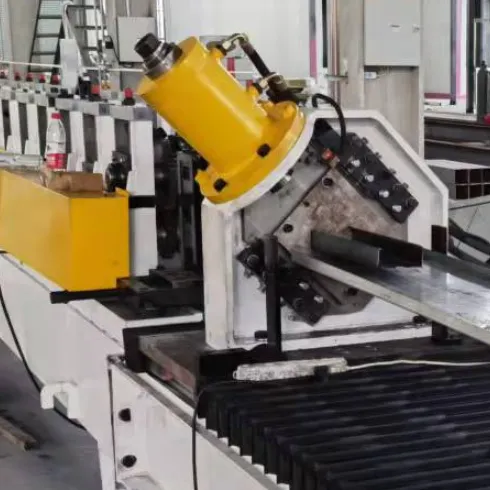
A thorough understanding of machine specifications is crucial for evaluating potential beam roll forming machine suppliers. The Automatic C Beam And Embrace Roll Forming Machine, designed for versatility and robust performance, offers specific parameters optimized for the production of high-quality structural profiles.
Product Specification Table:
| Parameter | Specification | Unit |
|---|---|---|
| Material Thickness Range | 0.8 - 3.0 | mm |
| Material Width Range | Max 500 | mm |
| Forming Speed | 10 - 25 | m/min (adjustable) |
| Number of Forming Stations | 16 - 20 (depending on profile complexity) | stations |
| Main Motor Power | 7.5 - 15 | kW |
| Hydraulic System Power | 5.5 - 7.5 | kW |
| Control System | PLC with Touch Screen HMI (e.g., Siemens, Panasonic) | - |
| Cutting Type | Hydraulic Post-Cutting | - |
| Roller Material | Cr12Mov (SKD11 equivalent), Quenched HRC58-62 | - |
| Shaft Diameter | ø75 - ø90 | mm |
| Machine Dimension (L x W x H) | Approx. 8500 x 1500 x 1600 | mm |
| Weight | Approx. 8000 - 12000 | kg |
| Voltage | 380V, 50Hz, 3-Phase (customizable) | - |
Note: Specifications may vary slightly based on specific customer requirements and model iterations.
Application Scenarios and Technical Advantages
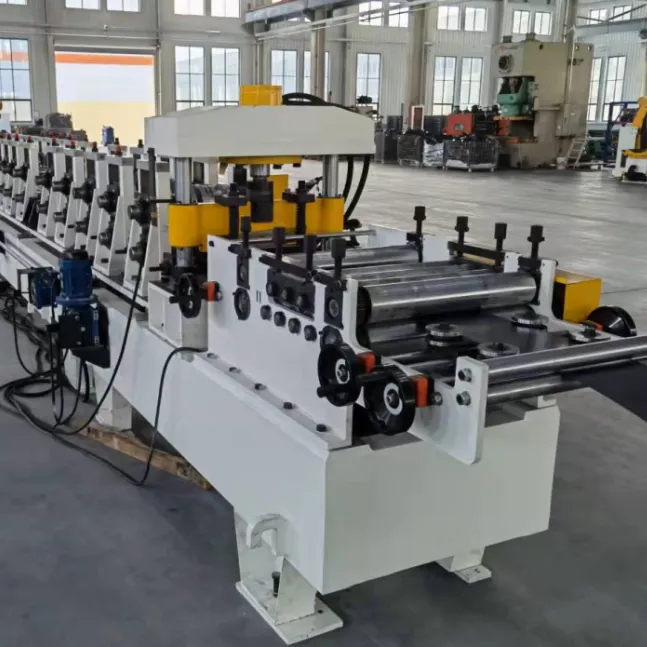
The versatility of roll-formed profiles manufactured by C beam and beam roll forming machine suppliers extends to an impressive range of applications, each benefiting from the inherent advantages of the technology.
Common Application Scenarios:
- Building and Construction: Purlins and girts for roofing and wall cladding, structural framing for light gauge steel construction, ceiling grid systems, and door/window frames. The efficiency of a c roll forming machine is critical here.
- Warehousing and Logistics: High-strength profiles for pallet racking systems, storage shelves (shelf roll forming machine output), and mezzanines.
- Solar Energy Sector: Mounting structures for solar panels, providing durable and weather-resistant supports for photovoltaic installations.
- Automotive Industry: Production of lightweight yet strong components such as bumper beams, chassis parts, and door sills for improved fuel efficiency and safety.
- Electrical and HVAC: Cable trays, conduit, and ducting components, often requiring precise dimensions and consistent quality.
Technical Advantages:
- High Production Speed and Efficiency: Continuous forming process allows for rapid production of long, complex profiles, significantly reducing manufacturing time and labor costs compared to press braking.
- Superior Dimensional Accuracy and Consistency: Roll forming ensures uniform cross-sections and precise dimensions throughout the entire length of the profile, critical for assembly and structural integrity. Tolerance can be as tight as ±0.5 mm for length and ±0.2 mm for width.
- Material Optimization: The cold forming process preserves the material's strength and can even enhance it through work hardening. It also minimizes scrap material, leading to significant cost savings.
- Enhanced Material Properties: Unlike hot forming, cold roll forming can improve the yield strength and tensile strength of the metal, leading to stronger, more durable components.
- Design Flexibility: Capable of producing intricate and complex cross-sectional geometries, including those with pre-punched holes, notches, and other features, all in one continuous operation.
- Reduced Energy Consumption: Compared to other metal forming processes that require heating, cold roll forming is a more energy-efficient method.
Vendor Comparison and Customized Solutions
Choosing the right among beam roll forming machine suppliers requires careful evaluation of their capabilities, technological offerings, and commitment to customer needs. A comprehensive comparison often highlights key differentiators beyond just price.
Comparison of Typical Supplier Offerings:
| Feature/Criterion | Supplier A (e.g., Yowin Machine) | Supplier B (Standard Offering) | Supplier C (Budget Option) |
|---|---|---|---|
| Customization Capability | High (Profile, Speed, Automation) | Moderate (Limited profile changes) | Low (Standard models only) |
| Control System | Advanced PLC (Siemens/Panasonic) & HMI | Basic PLC (Local brand) & push buttons | Manual/Simple Relay control |
| Roller Material & Hardness | Cr12Mov (HRC58-62), Precision Machined | 45# Steel (HRC45-50), Standard Machined | 45# Steel (No heat treatment) |
| Forming Speed (m/min) | 15-25 (with rapid changeover) | 10-15 (fixed speed) | 8-12 |
| Post-Cutting System | Hydraulic, Fly-cutting/Pre-punching capable | Hydraulic, Standard shear | Manual/Pneumatic |
| After-Sales Support | Global, On-site installation & training, 24/7 remote | Regional, Basic phone support | Limited, Parts only |
| Certifications | ISO 9001, CE, SGS | CE (basic) | None/Self-declared |
Reputable beam roll forming machine suppliers like Yowin Machine excel in offering highly customized solutions. This includes tailoring machine parameters such as forming speed, station count, and motor power to specific production volumes and material types. Customization extends to tooling design for unique profile geometries, integration of advanced punching or embossing units, and specialized material handling systems for coils of varying widths and weights. This flexibility ensures that the investment in a roll forming machine perfectly aligns with operational requirements and long-term business goals.
Application Case Studies and Customer Experience
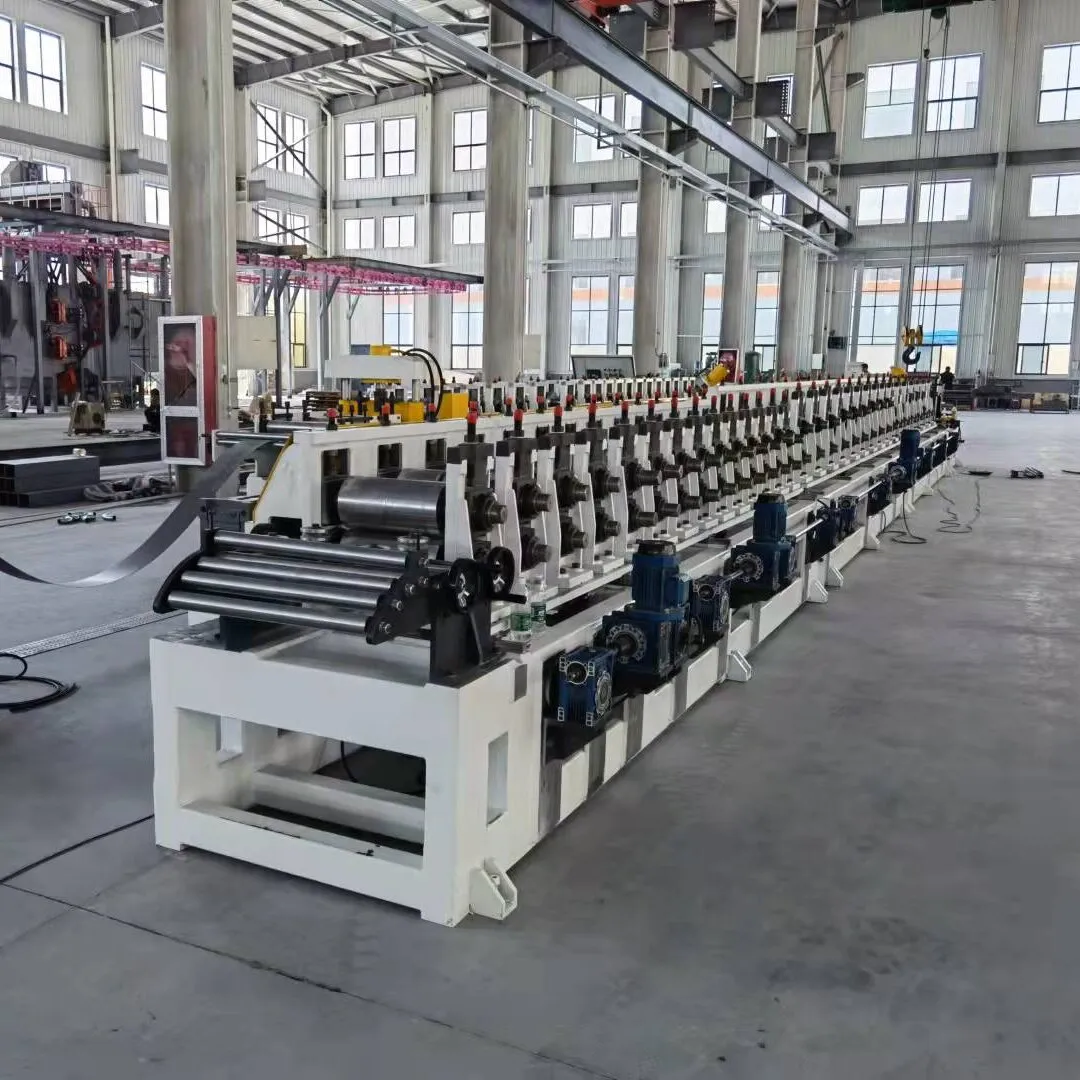
Real-world application case studies provide tangible evidence of the value delivered by reliable beam roll forming machine suppliers. These examples highlight successful implementations and demonstrate the efficiency and reliability of the machinery.
Case Study 1: Large-Scale Construction Project
A major construction firm, specializing in industrial warehouses, required a high-volume solution for producing C-channel purlins and Z-girts. They partnered with a leading supplier to implement an Automatic C Beam And Embrace Roll Forming Machine. The custom-designed machine featured quick-change tooling and integrated punching capabilities, allowing for rapid transition between profiles and on-the-fly hole creation. This resulted in a 30% reduction in production lead time for structural components and a 15% decrease in material waste compared to their previous fabrication methods. The system’s PLC control allowed for precise length cutting and batch management, significantly improving project scheduling and material flow.
Case Study 2: Solar Panel Mounting Systems Manufacturer
A manufacturer of solar panel mounting structures faced challenges with inconsistent profile quality and slow production rates for their specialized support beams. After investing in a customized beam roll forming machine, they observed a marked improvement. The machine was designed to handle galvanized steel with specific pre-punching requirements for universal module compatibility. Customer feedback highlighted the exceptional rigidity of the produced beams and the machine's ability to maintain tight tolerances over long production runs. This led to a 20% increase in output capacity and a significant reduction in post-production rework, enhancing their market competitiveness.
Client Testimonial:
"Our investment in the Automatic C Beam and Embrace Roll Forming Machine from Yowin Machine has transformed our production line. The precision and speed are unparalleled, and the robustness of the machine means consistent output with minimal downtime. Their technical support during installation and commissioning was exceptional, truly a partner in our success."
Trustworthiness and Support: FAQ, Lead Times, Warranty
Building trust is fundamental for beam roll forming machine suppliers in the B2B sector. This is achieved through transparent policies, comprehensive support, and clear commitments.
Frequently Asked Questions (FAQ):
Q: What types of materials can your roll forming machines process?
A: Our machines are designed to process a wide range of materials, including galvanized steel, cold-rolled steel, pre-painted steel, stainless steel, and aluminum, typically in thicknesses from 0.8mm to 3.0mm, depending on the specific machine model and profile.
Q: How long does it take to get a customized roll forming machine?
A: Lead times for customized machines typically range from 60 to 120 working days, depending on the complexity of the design, required features, and current production schedule. Standard models usually have shorter lead times of 45-75 days. We provide a detailed timeline upon order confirmation.
Q: What kind of warranty do you offer on your machines?
A: We offer a standard 12-month warranty on all mechanical parts and a 6-month warranty on electrical components, starting from the date of installation or successful commissioning. Extended warranty options are available upon request.
Q: Do you provide installation and training services?
A: Yes, we provide comprehensive on-site installation, commissioning, and operator training services globally. Our experienced engineers ensure your team is fully proficient in operating and maintaining the machine for optimal performance.
Q: What after-sales support is available?
A: Our after-sales support includes 24/7 remote technical assistance, readily available spare parts, and on-site repair services by our expert technicians. We are committed to minimizing your downtime and ensuring continuous operation.
Lead Time & Fulfillment:
Our streamlined manufacturing processes and efficient supply chain management ensure timely delivery. For standard configurations, the lead time is typically between 45 to 75 working days from order confirmation. For bespoke solutions, depending on the design complexity and component sourcing, lead times may extend to 90-120 working days. We provide regular updates throughout the manufacturing process to keep clients informed.
Warranty Commitments:
We stand by the quality and durability of our Automatic C Beam And Embrace Roll Forming Machines. A standard one-year warranty on mechanical components and a six-month warranty on electrical parts is provided. This covers defects in materials and workmanship under normal operating conditions. Our commitment to quality is reinforced by strict ISO 9001 certified manufacturing processes.
Customer Support Information:
Our dedicated customer support team is available to assist with any technical inquiries, operational guidance, or service requests. We offer multi-channel support including phone, email, and live chat, ensuring prompt and effective solutions. On-site technical support can be dispatched globally for complex issues or scheduled maintenance. We also maintain a comprehensive inventory of genuine spare parts to facilitate quick replacements and minimize downtime.
Conclusion
The selection of a beam roll forming machine supplier is a strategic decision that significantly impacts manufacturing efficiency, product quality, and ultimately, a company's bottom line. By focusing on suppliers who demonstrate profound expertise, verifiable experience, authoritativeness through certifications and partnerships, and unwavering trustworthiness in their support and commitments, businesses can ensure they are investing in machinery that delivers long-term value. The continuous innovation in roll forming technology, particularly in areas of automation, material versatility, and energy efficiency, underscores the dynamic nature of this essential manufacturing sector. Partnering with a leading supplier not only secures access to state-of-the-art equipment but also to a wealth of technical knowledge and support, critical for thriving in today's competitive industrial landscape.
References:
- Smith, J. (2022). "Advances in Cold Roll Forming Technology for High-Strength Steels." Journal of Manufacturing Processes, Vol. 28, pp. 123-130.
- International Standards Organization. (2023). ISO 9001: Quality Management Systems - Requirements. ISO.org
- European Committee for Standardization. (2023). EN 1090-1: Execution of Steel Structures and Aluminium Structures - Part 1: Requirements for Conformity Assessment of Structural Components. CEN.eu
- American National Standards Institute. (2021). ANSI B11.3 - Machine Tools - Power Press Brakes - Safety Requirements for Construction, Care and Use. ANSI.org
- Manufacturing Today Magazine. (2023). "The Future of Industrial Automation: Roll Forming." ManufacturingToday.com