
Metal Roll Forming: Precision Machines & Custom Solutions
Understanding Metal Roll Forming: An Industrial Imperative
In modern manufacturing, the precision and efficiency of forming metallic profiles are paramount. Metal roll forming stands as a cornerstone technology, transforming flat sheet metal coils into complex, consistent cross-sectional profiles through a series of synchronized dies. This cold-forming process is highly esteemed for its ability to produce components with exceptional dimensional accuracy, superior surface finish, and minimal material waste, making it indispensable across numerous sectors demanding high-volume, uniform component production.
The demand for advanced roll-formed products is escalating, driven by innovations in automotive, construction, and renewable energy industries. Manufacturers are increasingly seeking solutions that offer greater design flexibility, faster production cycles, and reduced operational costs. This article delves into the intricacies of this pivotal manufacturing method, exploring its technical underpinnings, diverse applications, and the strategic advantages it offers to B2B stakeholders.
Industry Trends and Market Dynamics in Roll Forming
The global market for metal roll forming is experiencing robust growth, fueled by several key trends. Automation and Industry 4.0 integration are transforming traditional operations, with advanced sensor technologies, AI-driven process optimization, and robotic handling systems becoming standard. This shift not only enhances productivity and precision but also enables predictive maintenance and real-time quality control.
Furthermore, there is a growing emphasis on processing high-strength low-alloy (HSLA) steels, aluminum alloys, and even composite materials to meet stringent performance requirements in lightweighting initiatives. Environmental sustainability is another driving force, pushing manufacturers towards more energy-efficient machines and processes that minimize scrap and reduce overall carbon footprint. Customization capabilities, allowing for rapid tooling changes and diverse product runs, are also becoming critical competitive differentiators for metal roll forming equipment providers.
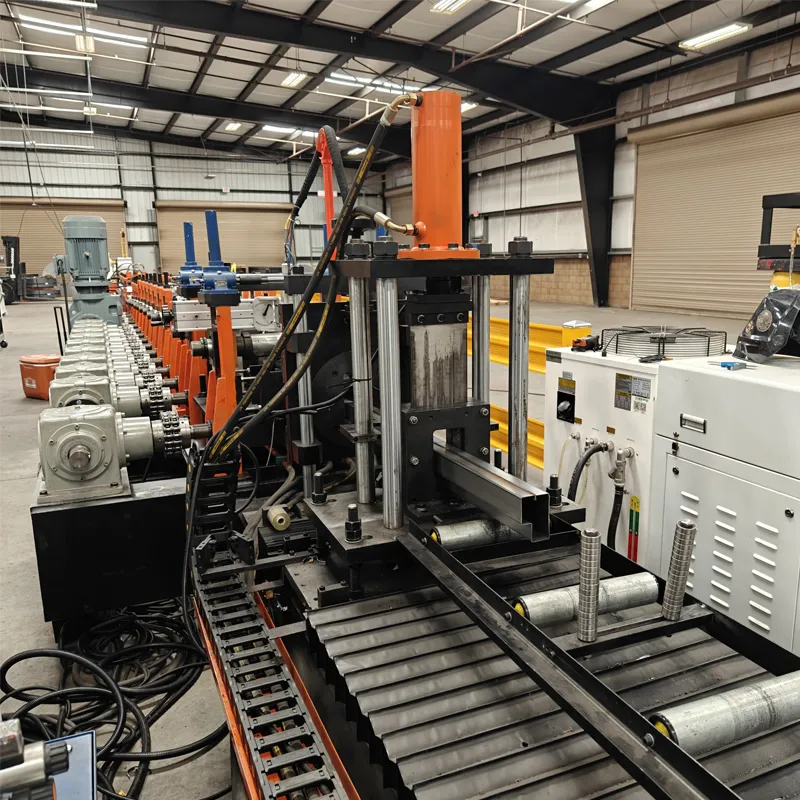
The Detailed Process Flow of Metal Roll Forming
The metal roll forming machine meticulously shapes metal through a multi-stage continuous bending operation. This process is inherently designed for high-volume production of components with consistent cross-sections.
Product Materials
Common materials include various grades of steel (e.g., galvanized, stainless, HSLA), aluminum alloys, copper, brass, and even pre-painted or coated materials. The selection depends heavily on the application's required strength, corrosion resistance, and aesthetic properties. Material thickness typically ranges from 0.3mm to 12mm, with specialized machines handling even greater thicknesses for heavy-duty applications.
Manufacturing Processes
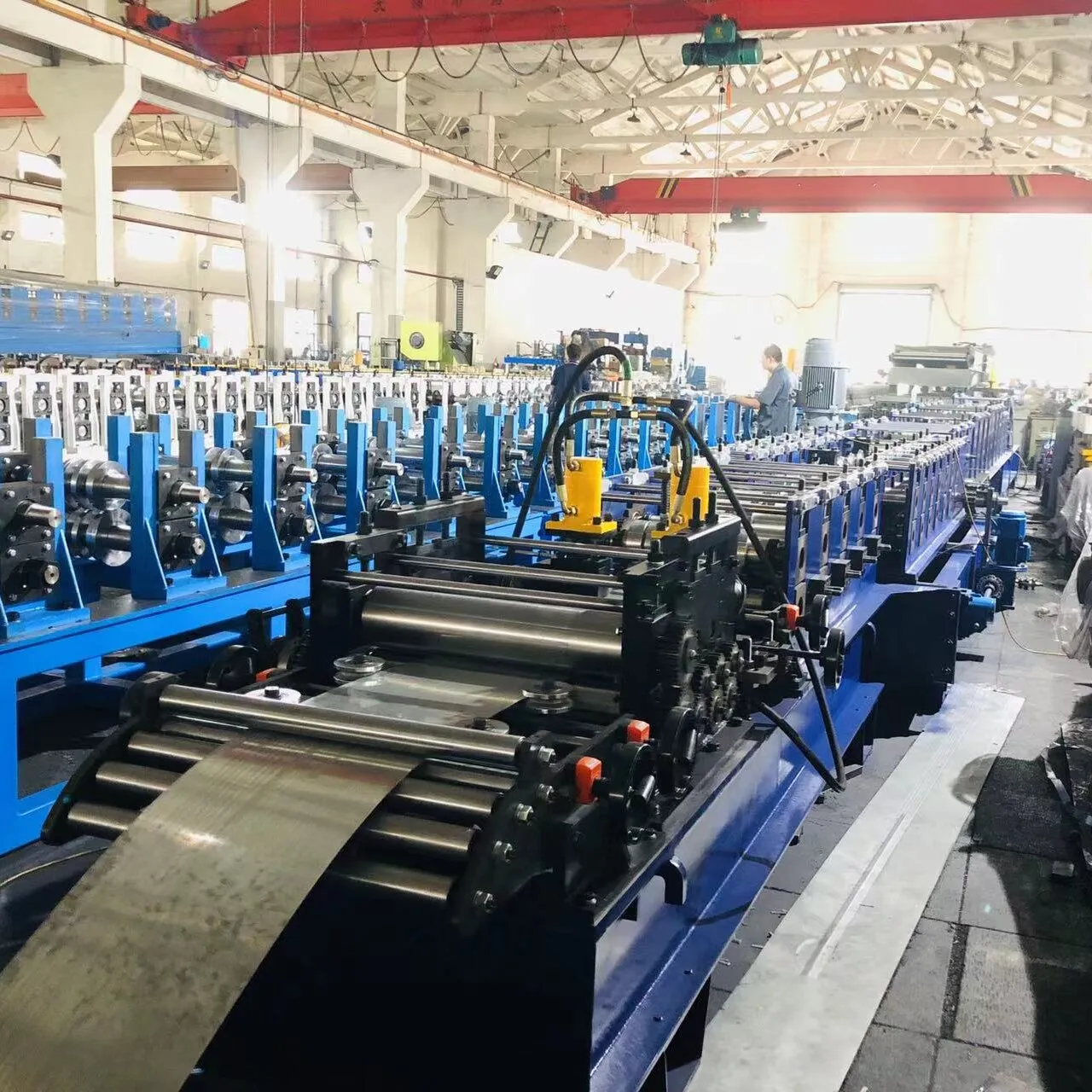
- Uncoiling & Feeding: A coil of flat sheet metal is loaded onto an uncoiler, which then feeds the strip into the machine. Precision leveling may occur here to ensure flatness.
- Pre-punching/Notching (Optional): Before forming, holes, slots, or other features can be punched or notched into the flat strip using hydraulic or mechanical presses integrated into the line. This ensures precise feature location relative to the formed profile.
- Roll Forming Stages: The core of the process. The metal strip passes through successive pairs of contoured rollers (stands). Each stand incrementally bends the metal, gradually shaping it until the final desired profile is achieved. The design of these rolls is critical, often involving complex CNC machining for optimal precision and material flow.
- Cut-off: Once the desired profile length is reached, a flying shear or saw cuts the formed section from the continuous strip without stopping the machine, ensuring high production rates.
- Post-treatment (Optional): This can include additional punching, bending, welding, or surface treatments like powder coating or painting, depending on the end-use.
Testing Standards and Service Life
Quality assurance in roll forming adheres to stringent industry standards such as ISO 9001 for quality management and ISO 14001 for environmental management. Dimensional tolerances are typically governed by standards like ASTM A568/A568M or custom specifications, often achieving tolerances down to ±0.2mm. The service life of properly maintained roll-formed components can exceed 20-30 years, particularly in applications using corrosion-resistant materials and coatings, making them suitable for long-term infrastructure projects.
Target Industries and Application Advantages
Roll forming serves critical roles in petrochemical, metallurgy, and water supply & drainage sectors. For instance, in petrochemical applications, roll-formed profiles are used for structural supports, cable trays, and protective enclosures, where energy saving is achieved through optimized material use, and corrosion resistance is vital due to harsh chemical environments. In water supply and drainage, structural components for pipes, channels, and support systems benefit from the high strength-to-weight ratio and precise fit, ensuring long-term integrity and reducing maintenance.
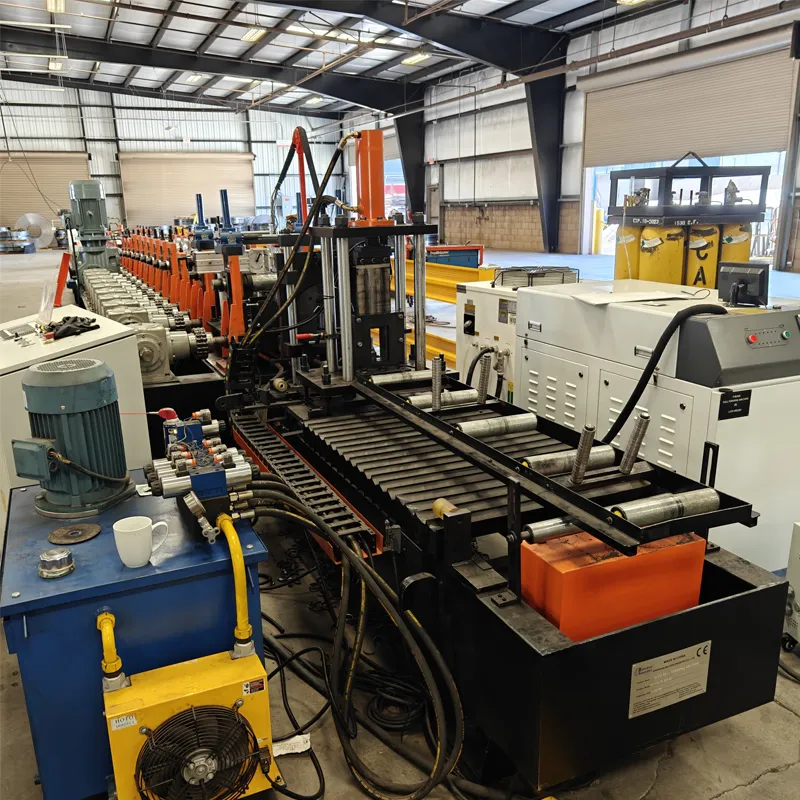
Technical Specifications: P Beam Roll Forming Machine
Specialized steel roll former machines are engineered for specific profile requirements. The YOWIN P Beam Roll Forming Machine, for example, is designed for high-efficiency production of P-beam profiles used extensively in construction and infrastructure. Key technical parameters ensure optimal performance and product quality.
P Beam Roll Forming Machine Specifications
| Parameter | Value/Range | Unit |
|---|---|---|
| Material Thickness | 1.5 - 3.0 | mm |
| Material Yield Strength | G340 - G550 | MPa |
| Forming Speed | 10 - 20 | m/min |
| Number of Forming Stations | 14 - 18 | stations |
| Main Motor Power | 15 - 22 | kW |
| Roll Material | Cr12 / GCr15 with Hard Chrome Plating | - |
| Cutting Type | Hydraulic Flying Shear | - |
| Control System | PLC with Touch Screen HMI | - |
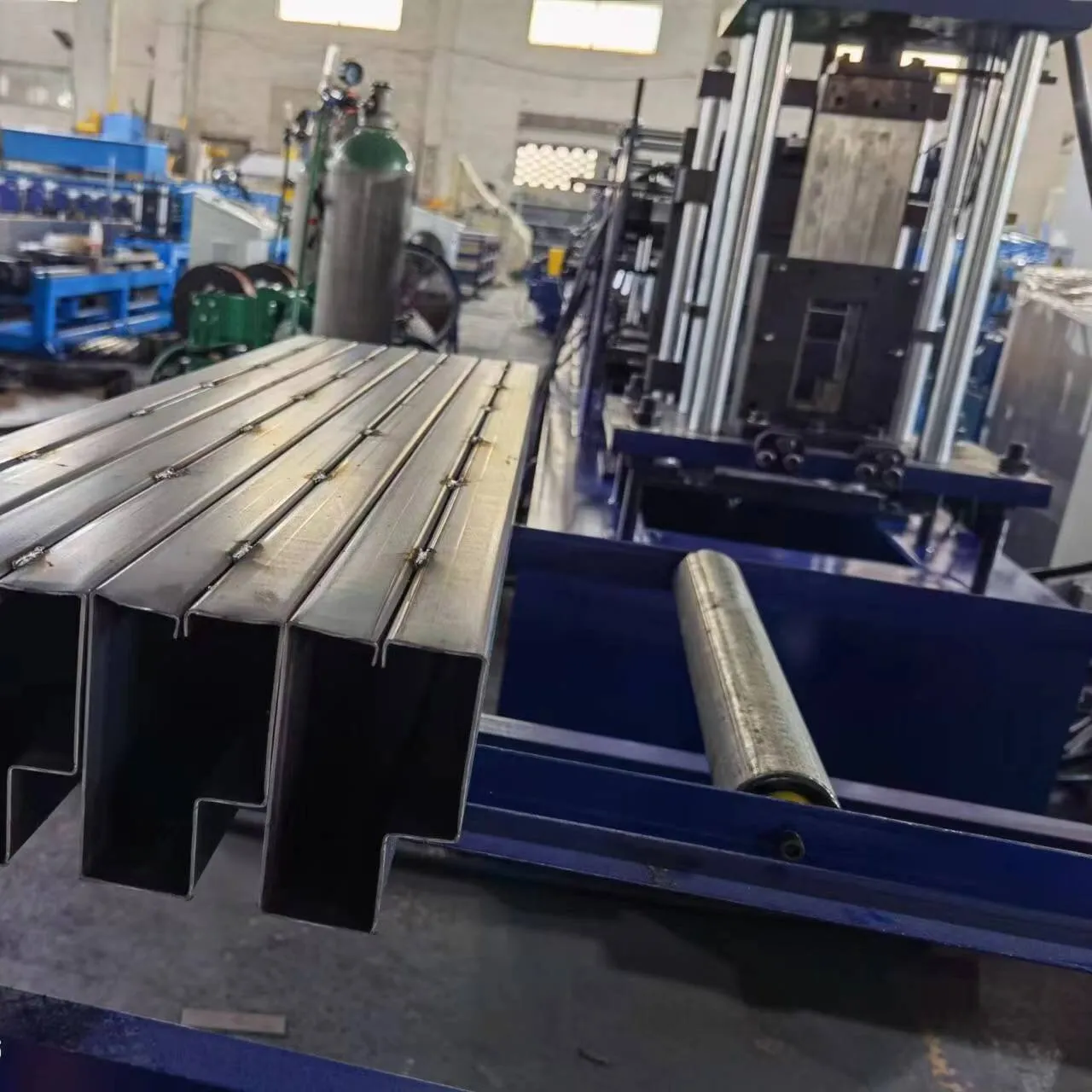
Application Scenarios and Technical Advantages
The versatility of steel roll forming machine technology makes it adaptable to an expansive array of applications, offering distinct technical advantages over other forming methods.
Key Application Scenarios
- Construction: Structural components like purlins, girts, roofing and siding panels, decking, and window/door frames. The P-beam is particularly critical for supporting heavy loads in various building types.
- Automotive: Chassis components, bumper beams, door impact beams, seat rails, and various structural parts, benefiting from the high strength and dimensional accuracy required for safety and performance.
- Electrical: Cable trays, conduit systems, and electrical enclosures, where precise dimensions and consistent quality are essential for fit and safety.
- Storage Solutions: Racking systems, shelving, and pallet supports, demanding robust and standardized profiles for heavy-duty storage.
- Renewable Energy: Solar panel frames and mounting structures, requiring weather-resistant, durable, and cost-effective profiles.
Technical Advantages
- High Production Rates: Continuous process allows for significantly faster output compared to press braking or stamping, ideal for mass production.
- Exceptional Dimensional Consistency: Once tooling is set, profiles maintain tight tolerances over long production runs, crucial for assembly.
- Material Efficiency: Minimal material waste as the process uses a continuous strip, reducing scrap rates.
- Design Flexibility: Capable of producing complex and intricate profiles with multiple bends, often integrating features like holes, slots, and embossments in-line.
- Improved Material Properties: The cold working process can enhance the material's yield strength and hardness, resulting in stronger, more durable components.
- Cost-Effectiveness: Lower per-unit cost for high volumes due to reduced labor, material waste, and high speed.
Vendor Comparison: Choosing the Right Roll Forming Partner
Selecting a supplier for metal roll forming equipment involves evaluating several critical factors beyond just price. Key considerations include technological capability, customization options, after-sales support, and proven track record.
Comparative Analysis of Roll Forming Machine Vendors
| Feature | YOWIN (Example) | Competitor A (Example) | Competitor B (Example) |
|---|---|---|---|
| Machine Customization | High (Profile, Speed, Automation) | Medium (Limited Profile Options) | Low (Standard Models Only) |
| Lead Time for Standard Machines | 60-90 Days | 90-120 Days | 120-150 Days |
| After-Sales Support | 24/7 Online, On-site Installation & Training | Limited Remote Support | Basic Manuals, Local Agents Only |
| Warranty Period | 1-2 Years (Key Components) | 1 Year | 6 Months |
| Certifications | CE, ISO 9001 | ISO 9001 | None Stated |
| PLC Brand Options | Siemens, Mitsubishi, Delta | Delta | Proprietary |
This comparison highlights the importance of evaluating a vendor's capability to deliver tailored solutions and robust support, crucial for optimizing the total cost of ownership and ensuring uninterrupted production.
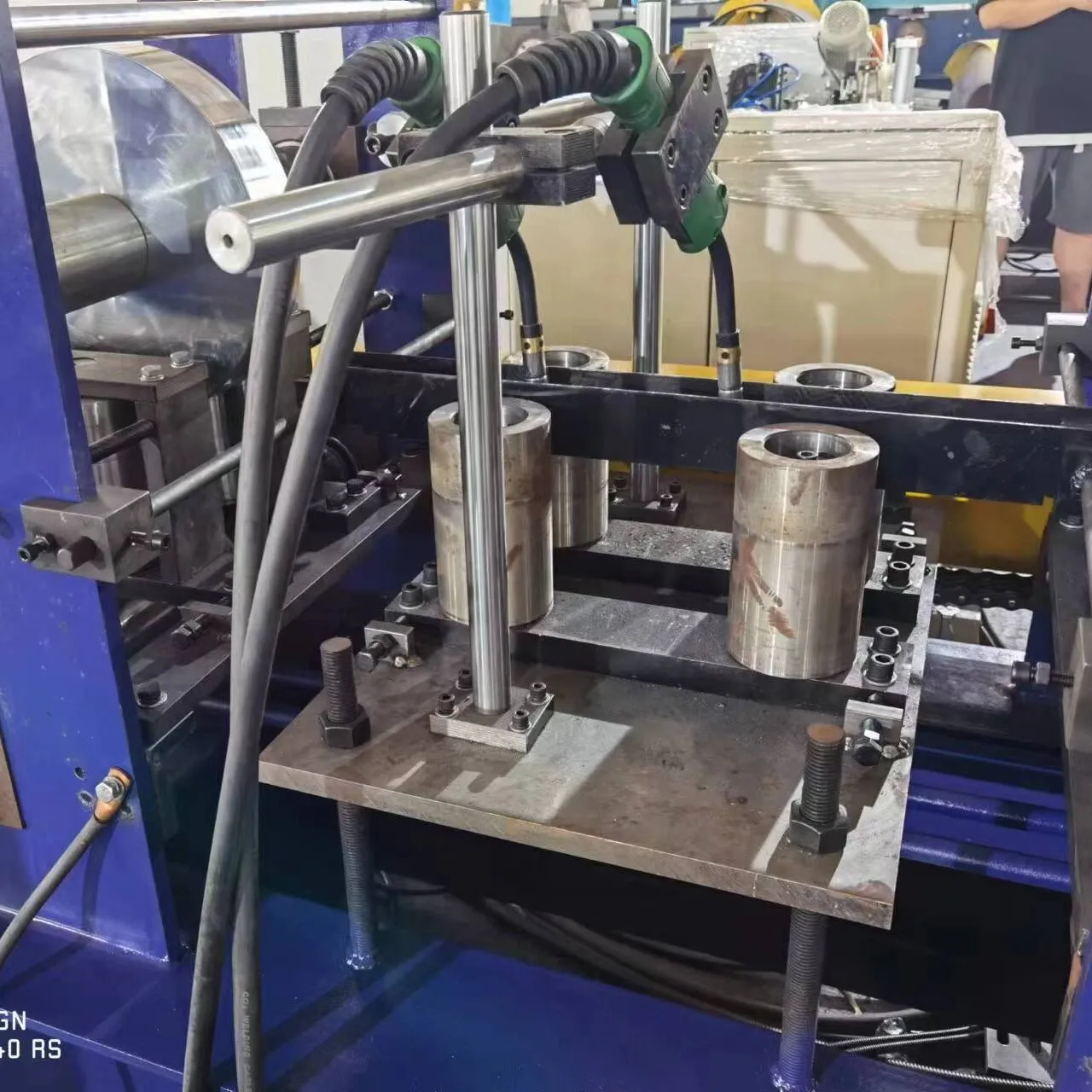
Customized Solutions and Application Case Studies
The adaptability of metal roll forming technology extends significantly through customized solutions, allowing manufacturers to meet unique project specifications. This involves custom tooling design, integration of pre- and post-processing units, and bespoke automation levels.
Customization Capabilities
- Profile Design: Engineering unique roll sets to produce complex, multi-functional profiles that integrate features like interlocking elements, stiffening ribs, or aesthetic contours.
- Integrated Processes: Adding in-line punching, welding, bending, cutting-to-length, and stacking systems to create a complete, automated production line for finished components.
- Material Handling: Developing specialized uncoilers, feeders, and conveyors to handle specific material types (e.g., highly polished, extra-wide, or delicate surface finishes).
- Automation Levels: Implementing advanced PLC controls with HMI (Human Machine Interface) for precise speed control, recipe management, remote diagnostics, and integration with factory-wide SCADA systems.
Application Case Studies
Case Study 1: Large-Scale Solar Farm Project
A major renewable energy developer required thousands of custom C-channel and Z-section profiles for solar panel mounting structures. The primary challenge was to produce high-strength steel profiles (G450 MPa yield strength) with tight tolerances for quick on-site assembly, while also ensuring excellent corrosion resistance for outdoor environments. A customized steel roll forming machine with integrated pre-punching capabilities and an automatic length cut-off system was designed. The machine consistently produced profiles at 18 m/min, meeting ISO 9001 dimensional standards, and significantly reduced overall project timelines and labor costs due to the precise, ready-to-assemble components. The use of galvanized steel along with post-forming protective coatings ensured a projected service life exceeding 25 years.
Case Study 2: Automotive Body-in-White Components
An automotive tier-1 supplier needed to produce high-strength steel (HSLA) reinforcements for vehicle chassis, requiring intricate profiles with varying thicknesses and in-line piercing. The solution involved a multi-stand roll former equipped with quick-change tooling and a high-precision servo-driven flying punch. The robust design accommodated material up to 3.0mm thick with yield strengths up to 550 MPa, ensuring structural integrity. The system achieved a production speed of 15 m/min and maintained critical tolerances of ±0.15mm, leading to a 30% reduction in assembly time for the client due to the superior fit and finish of components. This machine was supplied with CE certification, guaranteeing compliance with European safety standards.
Trustworthiness and Support: Our Commitment
At YOWIN, our commitment extends beyond delivering high-quality metal roll forming equipment. We prioritize transparent communication, reliable support, and robust guarantees to foster lasting partnerships. Our facilities operate under ISO 9001:2015 certification, reflecting our dedication to quality management systems.
Frequently Asked Questions (FAQ)
Q1: What is the typical lead time for a custom P Beam Roll Forming Machine?
A1: For custom P Beam Roll Forming Machines, the lead time typically ranges from 90 to 120 working days. This includes design, material procurement, manufacturing, assembly, and rigorous factory testing. We provide regular progress updates throughout the production cycle.
Q2: What kind of warranty do you offer on your roll forming machines?
A2: We offer a standard 12-month warranty on all main components (excluding wear parts) from the date of installation or 18 months from the date of shipment, whichever comes first. Extended warranty options are available upon request. Our warranty ensures repair or replacement of defective parts under normal operating conditions.
Q3: How do you handle installation and operator training?
A3: Our service includes on-site installation and commissioning by experienced technicians. This typically takes 7-10 days. Comprehensive operator and maintenance training is provided during this period to ensure your team is fully proficient in operating the new metal roll forming machine safely and efficiently.
Lead Time and Fulfillment
Our streamlined manufacturing processes and robust supply chain allow for efficient order fulfillment. Standard machines are typically delivered within 60-90 days, while custom projects may require 90-150 days depending on complexity. We provide detailed project timelines and maintain transparent communication regarding all milestones from order placement to final delivery and commissioning.
Warranty Commitments
We stand behind the quality and reliability of our products. All YOWIN machines come with a comprehensive warranty covering manufacturing defects and component failures. Specific terms are outlined in our sales contracts, ensuring peace of mind for our clients. Beyond the warranty period, we offer ongoing support and access to genuine spare parts.
Customer Support Information
Our dedicated customer support team is available to assist with technical queries, troubleshooting, and spare parts orders. We offer 24/7 online support and maintain a global network of service technicians for on-site assistance. Contact us via email, phone, or our online portal for prompt and expert assistance. Our goal is to minimize downtime and maximize the operational efficiency of your investment.
Conclusion
Metal roll forming remains an essential, evolving technology for high-volume, precise metal profile manufacturing. Its advantages in efficiency, material utilization, and product consistency make it an attractive investment for industries requiring robust, reliable components. As the demand for custom profiles and integrated manufacturing solutions continues to grow, partnering with an experienced and capable supplier like YOWIN ensures access to cutting-edge technology and comprehensive support.
Citations
- Smith, J. A. (2022). "Advances in Cold Roll Forming Technology for High-Strength Steels." Journal of Manufacturing Processes, 45, 123-135.
- International Organization for Standardization. (2015). ISO 9001:2015 - Quality management systems - Requirements. ISO.
- American Society for Testing and Materials. (2018). ASTM A568/A568M - Standard Specification for Steel, Sheet, Carbon, Structural, and High-Strength, Low-Alloy, Hot-Rolled and Cold-Rolled, General Requirements for. ASTM International.
- Manufacturing Today. (2023). "The Digital Transformation of Roll Forming: Industry 4.0 Integration." Manufacturing Technology Review, 12(3), 45-52.