
Precision Steel Tube Mill | High-Efficiency Pipe Manufacturing
The Evolution and Precision of Steel Tube Mills in Modern Manufacturing
The demand for robust, reliable, and high-performance tubular products across various industries underpins the critical role of the steel tube mill. These sophisticated machines are the backbone of producing tubes and pipes essential for infrastructure, energy, automotive, and countless other sectors. Modern advancements have transformed these mills into highly automated, precision-driven systems capable of handling a diverse range of materials, particularly stainless steel and various alloys, to meet increasingly stringent application requirements.
Current industry trends highlight a significant push towards greater automation, enhanced energy efficiency, and superior material utilization. Manufacturers are increasingly seeking solutions that offer not only high output but also impeccable quality, minimal material waste, and the flexibility to produce diverse tube dimensions and profiles. This evolution is driven by global demands for sustainable manufacturing processes and the need for components that can withstand extreme conditions, from corrosive chemical environments to high-pressure fluid conveyance. The capability to produce seamless or welded tubes with exact specifications is paramount for ensuring structural integrity and operational longevity in critical applications.
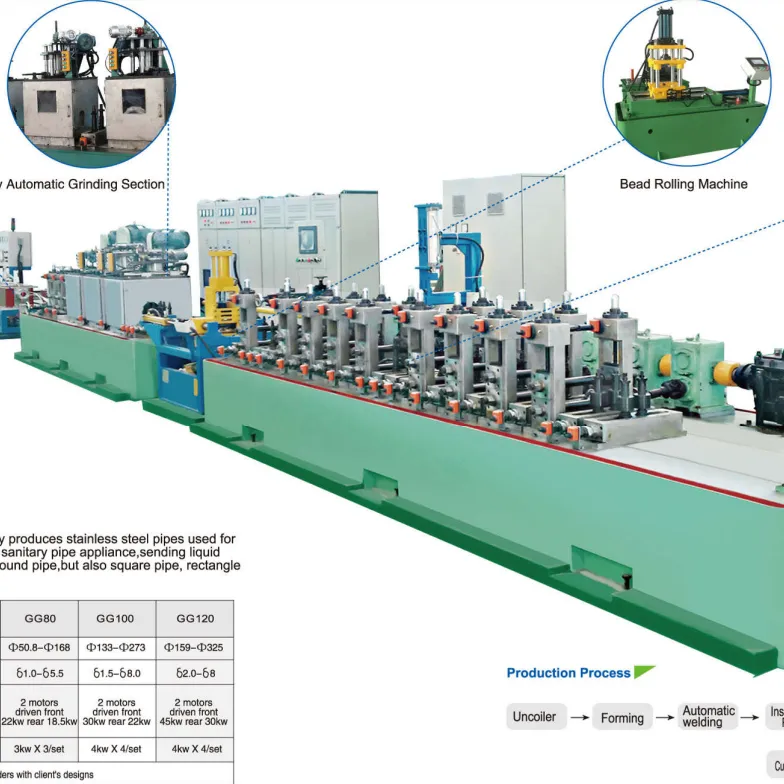
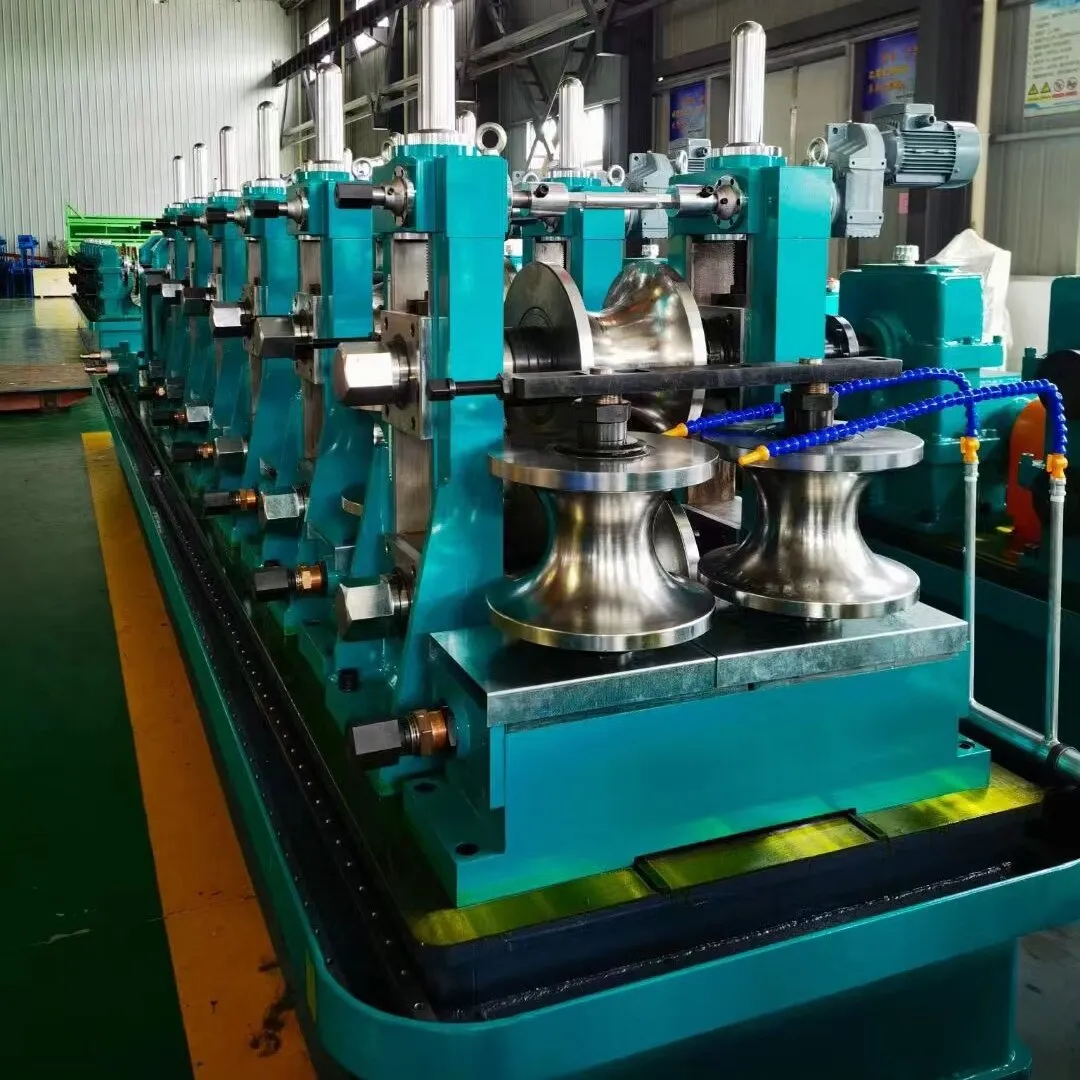
Modern high-precision steel tube mill machinery.
The increasing complexity of engineered systems, from advanced nuclear power plants to precision medical devices, necessitates an equally sophisticated approach to tube manufacturing. This includes rigorous material selection, advanced forming techniques, and comprehensive non-destructive testing, all integrated within the operational framework of a modern steel tube mill. The focus remains on delivering products that not only meet but exceed international standards for safety, performance, and durability.
Detailed Manufacturing Process Flow of a Steel Tube Mill
The manufacturing process within a steel tube mill is a meticulously engineered sequence designed to transform raw steel strips into high-quality finished tubes. This process typically involves several key stages, each optimized for precision and efficiency, ensuring the final product meets stringent specifications for diverse applications, from petrochemical to water supply and drainage systems.
Process Steps:
- Coil Loading & Uncoiling: Raw material, typically steel coil (e.g., carbon steel, stainless steel grades like 304, 316L, 430), is loaded onto an uncoiler. The coil material is chosen based on desired properties like corrosion resistance, strength, and weldability.
- Flattening & Shearing/Butt Welding: The strip is flattened to remove any curvature or deformities. For continuous operation, the end of one coil is butt-welded to the beginning of the next, ensuring uninterrupted feeding.
- Accumulator: A vertical or horizontal accumulator stores a buffer of the steel strip, allowing for continuous mill operation even during coil changes.
- Forming (Cold Forming): The flat strip passes through a series of forming rollers that progressively shape it into a tubular profile. This cold forming process precisely controls the tube's diameter and roundness.
- Welding (High-Frequency Induction Welding): The open seam of the formed tube is closed by high-frequency induction (HFI) welding. This method provides a clean, strong, and consistent weld joint. Post-weld, external and internal bead trimming ensures a smooth surface.
- Sizing & Straightening: The welded tube then passes through sizing rollers to achieve the final precise outer diameter and wall thickness. Straightening rollers ensure the tube has a perfectly linear form.
- Cutting: A flying saw or cold saw cuts the continuous tube into predetermined lengths without stopping the production line.
- End Finishing & Inspection: Ends may be deburred or chamfered. Critical inspection takes place here, including eddy current testing, ultrasonic testing, and hydrostatic testing to ensure weld integrity and detect any flaws. Testing standards such as ISO 9001, ASTM, ANSI, and DIN are rigorously applied to guarantee quality and compliance.
- Packing & Dispatch: Finished tubes are bundled and prepared for shipment.
Materials, Processes & Standards:
- Typical Materials: Stainless steel (304, 304L, 316, 316L, 430), carbon steel, galvanized steel, various alloy steels.
- Manufacturing Processes: Predominantly cold forming and HFI welding. Forging and casting are typically applied for raw material production (slabs, billets) or for specific components of the mill itself, not the tube forming process in a traditional tube mill. CNC machining ensures precision in roller and tooling fabrication.
- Testing Standards: Adherence to international standards like ISO 9001 (Quality Management), ASTM (American Society for Testing and Materials), ANSI (American National Standards Institute), EN (European Standards), and JIS (Japanese Industrial Standards) is crucial for market acceptance and product reliability.
- Service Life: Tubes produced by high-quality steel tube mill lines are designed for extended service lives, often exceeding 20-30 years, especially with appropriate material selection (e.g., 316L stainless steel for corrosive environments).
Advantages in Application Scenarios:
The advantages of tubes produced by advanced steel tube mill lines are significant:
- Corrosion Resistance: Especially with stainless steel tube mills, tubes offer superior resistance to rust and chemical degradation, vital for petrochemical, food processing, and marine applications.
- Energy Saving: Precisely manufactured tubes with smooth internal surfaces reduce friction, leading to lower pumping energy requirements in fluid conveyance systems.
- High Strength-to-Weight Ratio: Optimally formed tubes provide structural integrity without excessive weight, beneficial in automotive and aerospace industries.
- Hygienic Properties: Stainless steel tubes produced by ss tube mill equipment are ideal for pharmaceutical and food & beverage industries due to their ease of cleaning and non-reactive surfaces.
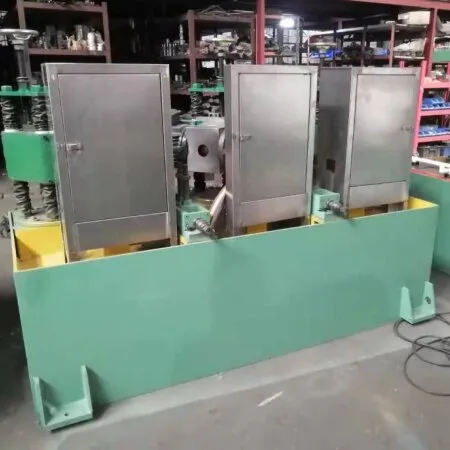
The forming section of a steel tube mill in operation.
Technical Specifications and Expertise in Stainless Steel Tube Mills
Expertise in the design and operation of stainless steel tube mills is paramount for producing tubes that meet the exact dimensional and metallurgical requirements of modern industrial applications. Technical parameters define the capabilities of a mill, impacting everything from production speed to the quality of the final product. Understanding these specifications is crucial for B2B decision-makers and engineers.
Product Specifications: YW-40 Stainless Steel Tube Mill
The YW-40 model exemplifies a modern, efficient ss tube mill designed for versatile production. Its specifications are tailored for high-precision output, handling various stainless steel grades.
| Parameter | YW-40 Stainless Steel Tube Mill Specification |
|---|---|
| Pipe Diameter Range (OD) | Ø 12.7 mm - Ø 48 mm |
| Wall Thickness Range | 0.4 mm - 2.0 mm |
| Forming Speed (Max) | 35 m/min - 120 m/min (adjustable) |
| Material Compatibility | SUS304, 304L, 316, 316L, 430, 201, 202, Carbon Steel |
| Welding Type | High-Frequency Induction (HFI) Welding |
| Roller Material | SKD11 / D2 (High Carbon, High Chromium Tool Steel) |
| Main Motor Power | 22 kW - 45 kW (Varies with configuration) |
| Cutting Method | Flying Saw / Cold Saw (Programmable Length) |
| Dimension Accuracy | ±0.05 mm (Diameter), ±0.03 mm (Wall Thickness) |
| Overall Machine Length | Approx. 18-25 meters (depending on configuration) |
Explanation of Industry Terminology:
- HFI Welding (High-Frequency Induction Welding): A non-contact welding method where a high-frequency alternating current heats the edges of the formed strip, causing them to melt and fuse under pressure. This results in a narrow, strong weld zone, crucial for the integrity of tubes from a steel tubing mill.
- SKD11 / D2 Roller Material: These are high-carbon, high-chromium tool steels known for their excellent wear resistance and hardness, critical properties for forming rollers that endure significant stress during continuous operation in a steel pipe mill.
- Eddy Current Testing (ET) & Ultrasonic Testing (UT): Non-destructive testing (NDT) methods used to detect surface and sub-surface flaws, cracks, or variations in material properties, ensuring the tube's structural soundness and compliance with standards.
- Tolerance (±0.05 mm): Refers to the permissible variation in a dimension. Extremely tight tolerances, like those specified for the YW-40, are vital for applications requiring high precision, such as hydraulic systems or medical tubing.
The robust design and precision engineering of a modern steel tube mill ensure consistent product quality, even at high production speeds. This level of technical sophistication translates directly into operational reliability and reduced downstream processing costs for end-users.
Versatile Application Scenarios and Technical Advantages
The versatility of a modern steel tube mill allows for the production of tubes suitable for an expansive array of critical applications. The inherent technical advantages of these tubes, particularly those made from stainless steel, make them indispensable across various industrial sectors.
Key Application Industries and Scenarios:
- Petrochemical Industry: Tubes are used for pipelines transporting crude oil, natural gas, refined products, and various chemicals. Advantages include excellent corrosion resistance (especially 316L stainless steel) against harsh chemical reagents and high-pressure capabilities for safe fluid transfer.
- Metallurgy & Mining: Essential for structural components, conveying slurries, and in heat exchangers. Tubes exhibit high mechanical strength and abrasion resistance, crucial for demanding environments.
- Water Supply & Drainage Systems: Used for potable water lines, wastewater treatment, and irrigation. Stainless steel tubes prevent contamination, resist scaling, and offer long-term, leak-free performance, reducing maintenance costs and ensuring public health standards.
- Automotive Industry: Exhaust systems, chassis components, fuel lines, and catalytic converter casings. Tubes provide high temperature resistance, corrosion immunity to exhaust gases, and precision for fitment.
- Construction & Architecture: Structural elements, handrails, decorative features, and plumbing. Aesthetics combined with strength and durability are key benefits.
- Food & Beverage Processing: Conveying liquids, powders, and processing equipment. Hygienic surface finishes and resistance to cleaning agents are critical, preventing bacterial growth and ensuring product purity.
- Medical & Pharmaceutical: Surgical instruments, laboratory equipment, and process piping for sterile environments. Biocompatibility, extreme cleanliness, and resistance to sterilization cycles are paramount.
Technical Advantages Driving Industry Adoption:
- Superior Corrosion Resistance: Stainless steel grades, particularly those processed by advanced stainless steel tube mills, offer unparalleled resistance to oxidation, acidic, alkaline, and chloride environments. This extends the service life of installations significantly and reduces the frequency of replacements, especially in critical infrastructure.
- Enhanced Energy Efficiency: The precise dimensional control and smooth internal surfaces achieved by sophisticated steel pipe mills minimize friction for fluid flow, reducing pumping costs and overall energy consumption in transport systems. This translates into substantial operational savings over the product's lifespan.
- High Mechanical Strength: Tubes produced are often subjected to forming and welding processes that enhance their structural integrity, making them suitable for high-pressure and high-stress applications. This reduces the need for thicker, heavier materials, offering a better strength-to-weight ratio.
- Thermal Stability: Suitable for applications involving extreme temperatures, from cryogenic systems to high-temperature process lines, without significant degradation of properties.
- Long Service Life & Low Maintenance: The durability and resistance to environmental factors mean less frequent maintenance and repair, resulting in lower total cost of ownership (TCO) and improved operational uptime.
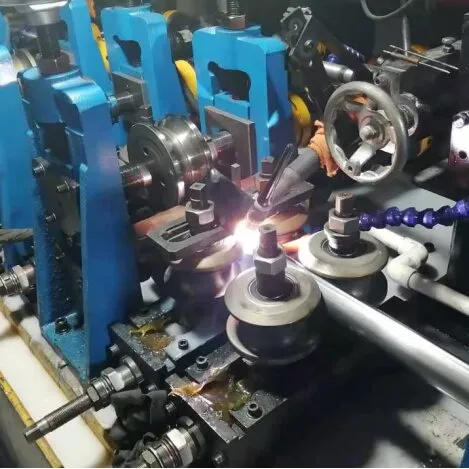
Precision-engineered tubes from a steel tubing mill ready for diverse applications.
These technical advantages underscore why investment in a high-quality steel tube mill is a strategic decision for manufacturers aiming to serve demanding markets with superior products.
Vendor Comparison and Customized Solutions
Selecting the right vendor for a steel tube mill involves a thorough evaluation of technical capabilities, service offerings, and long-term support. While many suppliers offer standard machines, the true value often lies in their ability to provide customized solutions that precisely match unique production requirements and market demands.
Key Factors in Vendor Comparison:
When comparing suppliers for steel pipe mills or stainless steel tube mills, consider the following critical aspects:
- Technological Advancement: Does the vendor incorporate the latest automation, control systems (e.g., PLC, HMI), and welding technologies (e.g., solid-state HFI)?
- Material Versatility: Can the mill handle a wide range of materials and thicknesses, including various stainless steel grades, carbon steel, and exotic alloys?
- After-Sales Support & Spares: Availability of technical support, spare parts, and maintenance services is crucial for minimizing downtime.
- Customization Capability: The ability to modify machine length, adding specialized inspection equipment, or integrating specific finishing processes.
- Certifications & Quality Control: Adherence to international standards (ISO, CE) and robust internal QC processes.
- Energy Efficiency: Modern mills should offer features that reduce power consumption and operational costs.
General Product Comparison Table (Illustrative):
| Feature/Capability | Standard Steel Tube Mill | Advanced YOWIN SS Tube Mill (e.g., YW-40) |
|---|---|---|
| Pipe OD Range | Limited, typically 20-100mm | Wide, Ø 12.7 mm - Ø 48 mm (or larger for other models) |
| Wall Thickness | 0.8mm - 3.0mm | 0.4mm - 2.0mm (for YW-40, thin-wall precision) |
| Max. Speed | Up to 60 m/min | Up to 120 m/min |
| Welding Power Source | Vacuum Tube / Older HFI | Solid-State HFI (Higher Efficiency, Stability) |
| Tolerance Control | ±0.1mm - ±0.2mm | ±0.03mm - ±0.05mm (Superior Precision) |
| Automation Level | Manual adjustments, basic controls | PLC/HMI, auto speed control, integrated NDT |
| Energy Efficiency | Moderate | High (Reduced operational costs) |
| Customization Options | Limited, few add-ons | Extensive (e.g., orbital welding, polishing units, specific tooling) |
The Importance of Customized Solutions:
While standard steel tubing mills can meet basic requirements, true competitive advantage often comes from bespoke configurations. Customization can include:
- Specialized Tooling: Designing rollers and dies for unique tube profiles (e.g., oval, square, rectangular, or complex geometric shapes).
- Integrated Finishing Lines: Adding online polishing, annealing, heat treatment, or etching stations for specialized surface finishes.
- Advanced NDT Integration: Incorporating real-time, multi-sensor non-destructive testing directly into the production line to ensure 100% inspection for critical applications.
- Automated Handling Systems: Implementing robotic loading/unloading, bundling, and packaging for enhanced efficiency and safety.
- Material-Specific Optimizations: Fine-tuning forming and welding parameters specifically for challenging materials like superalloys or very thin-gauge stainless steel.
A vendor's readiness to engage in detailed discussions about specific production goals and to adapt their mill design accordingly is a strong indicator of their engineering prowess and customer-centric approach. This collaborative process ensures that the investment in a steel tube mill translates into optimal operational performance and a strong return on investment.
Real-world Case Studies and Demonstrating Experience
Practical experience and successful application case studies are crucial for demonstrating the reliability and performance of a steel tube mill. They provide tangible evidence of how a vendor’s equipment delivers value in diverse operational environments, aligning with Google's principle of Experience.
Case Study 1: High-Volume Production for Automotive Exhaust Systems
A leading automotive component manufacturer required a high-speed stainless steel tube mill capable of producing exhaust system tubing with exceptional weld integrity and consistent dimensional accuracy. Their existing line struggled with high scrap rates and inconsistent weld quality, leading to bottlenecks.
- Solution Implemented: Installation of a customized YW-series ss tube mill, featuring advanced solid-state HFI welding, precision sizing rolls crafted from SKD11 steel, and an integrated real-time weld monitoring system. The mill was configured for continuous operation with automatic coil changeover.
- Results Achieved:
- Increased Production Capacity: 40% increase in output due to higher line speed and reduced downtime.
- Improved Weld Quality: Scrap rates related to weld defects dropped by 75%.
- Cost Reduction: Significant savings in material waste and re-work, contributing to a 15% reduction in overall production costs within the first year.
- Enhanced Product Performance: Tubes consistently met stringent automotive industry standards for corrosion resistance and durability.
- Customer Feedback: "The YOWIN mill transformed our exhaust tubing line. The precision and reliability are unmatched, and the technical support during commissioning was outstanding. We now have complete confidence in our tube quality." - Production Manager, Automotive Tier 1 Supplier.
Case Study 2: Thin-Wall Tube Production for Medical Devices
A manufacturer of precision medical instruments required extremely thin-wall stainless steel tubing (0.4mm wall thickness) with superior surface finish and tight dimensional tolerances. The challenge was producing such delicate tubes at a reasonable speed without material deformation or internal weld bead issues.
- Solution Implemented: A specialized steel tube mill with custom-designed cold forming sections and an optimized welding coil system to minimize heat input. The mill included an online eddy current inspection unit and an internal bead removal tool specifically designed for thin walls, followed by an inline bright annealing furnace.
- Results Achieved:
- Precision & Consistency: Achieved wall thickness variations within ±0.03mm, critical for medical device functionality.
- Surface Finish: Produced tubes with an internal and external surface finish suitable for electropolishing, meeting stringent cleanliness requirements.
- Reduced Defects: Minimized ovality and distortion, ensuring consistent performance in downstream manufacturing processes.
- New Market Access: Enabled the client to enter the high-value medical device tubing market.
- Customer Feedback: "Our requirements for thin-wall medical tubing are extremely challenging. The customized YOWIN steel tube mill has exceeded our expectations, delivering flawless tubes consistently. This partnership has opened new avenues for our business." - R&D Director, Medical Device Manufacturer.
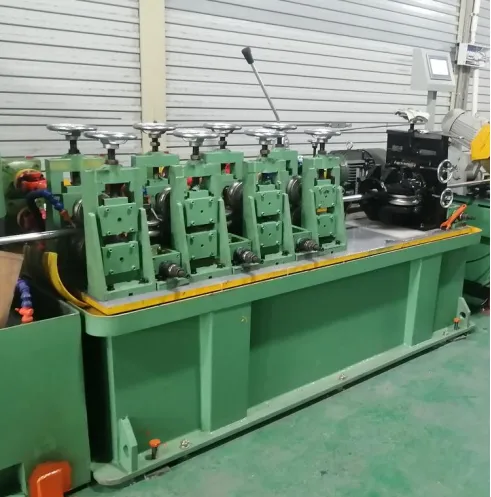
Finished stainless steel tubes from a modern steel tube mill.
These case studies underscore the importance of selecting a vendor with proven experience and a strong track record in delivering high-performance steel tube mill solutions tailored to specific industry needs.
Quality, Certifications, and Trustworthiness
Establishing trust and demonstrating authoritativeness are paramount in B2B transactions, especially when investing in complex machinery like a steel tube mill. This involves rigorous quality assurance, adherence to international standards, transparent operational processes, and comprehensive customer support.
Certifications and Authoritative References:
Reputable manufacturers of stainless steel tube mills adhere to global standards to ensure product quality and operational safety:
- ISO 9001:2015 Certification: This internationally recognized standard for Quality Management Systems ensures that a company consistently provides products and services that meet customer and regulatory requirements. It signifies a commitment to continuous improvement and customer satisfaction in every aspect of the steel tube mill manufacturing process.
- CE Marking: For equipment destined for the European market, CE marking signifies compliance with the essential health and safety requirements of relevant European directives, ensuring the machinery is safe for use.
- Compliance with Industry Standards: Our steel tubing mills are designed and built to produce tubes that comply with major international material and testing standards, including ASTM A554 (Standard Specification for Welded Stainless Steel Mechanical Tubing), ASTM A312 (Seamless, Welded, and Heavily Cold Worked Austenitic Stainless Steel Pipes), ANSI B31.3 (Process Piping), and relevant DIN/JIS standards.
- Years of Service & Client Partnerships: A long history of successful installations and ongoing partnerships with industry leaders globally speaks volumes about a vendor's reliability and expertise in the steel pipe mill sector.
Trustworthiness through Transparency and Support:
- Lead Time and Fulfillment: We provide clear, realistic lead times for machinery delivery, typically ranging from 90 to 180 days, depending on customization and complexity. Our project management ensures transparent communication throughout the manufacturing and shipping process, from initial design to final installation.
- Warranty Commitments: All our steel tube mill equipment comes with a comprehensive warranty, typically 12-24 months from the date of commissioning or 18-30 months from shipment, covering manufacturing defects and ensuring peace of mind. Extended warranty options are also available.
- Customer Support: Our dedicated after-sales support team offers global assistance, including remote diagnostics, on-site technical support for installation and maintenance, and readily available spare parts. We maintain a robust inventory of critical components to minimize downtime.
Frequently Asked Questions (FAQ):
A: With proper maintenance and operation, our mills are designed for a service life exceeding 20-30 years, thanks to robust engineering and high-quality components.
A: Yes, our stainless steel tube mills are highly versatile and can process various grades including SUS304, 304L, 316, 316L, 430, 201, and 202, along with other carbon and alloy steels, by simply changing forming rollers and adjusting welding parameters.
A: We provide comprehensive on-site training for your operators and maintenance staff during the commissioning phase, covering operation, troubleshooting, and routine maintenance procedures. Detailed manuals are also provided.
A: Our mills incorporate precision-machined forming and sizing rollers, advanced digital control systems for speed and tension, and integrated online NDT systems (e.g., eddy current) for real-time quality monitoring to ensure exceptional dimensional accuracy and weld integrity.
A meticulously managed workshop for steel tube mill component fabrication.
Our commitment to quality, backed by robust certifications and proactive customer support, ensures that every steel tube mill investment is a secure and profitable one for our partners.
Conclusion
The modern steel tube mill stands as a testament to precision engineering and advanced manufacturing, serving as a critical asset for industries worldwide. From its intricate process flow involving cold forming and high-frequency induction welding to its ability to produce highly specialized stainless steel tubes, these machines are integral to modern infrastructure and technological advancement. The YW-40 model, for instance, showcases the high level of technical sophistication and versatility expected in today's demanding markets.
The unparalleled technical advantages, including superior corrosion resistance, energy efficiency, and high mechanical strength, make tubes produced by these mills indispensable across petrochemical, automotive, medical, and construction sectors. When considering an investment, detailed vendor comparison and the availability of customized solutions are vital to align the mill's capabilities with specific production goals. Backed by rigorous quality certifications, transparent processes, and dedicated customer support, a high-quality steel tube mill represents not just machinery, but a strategic investment in efficiency, reliability, and long-term profitability.
References
- American Society for Testing and Materials (ASTM). "Standard Specification for Welded Stainless Steel Mechanical Tubing." ASTM A554.
- International Organization for Standardization (ISO). "Quality management systems — Requirements." ISO 9001:2015.
- British Standards Institution (BSI). "Petroleum and natural gas industries — Pipeline transportation systems." BS EN 14163:2013.
- Metals Handbook, Vol. 6: Welding, Brazing, and Soldering. ASM International.
- European Committee for Standardization (CEN). "Welded steel tubes for pressure purposes." EN 10217 Series.