
Roof Roll Forming Machine | High-Precision, Fast & Durable
Field Notes on the Roof Roll Forming Machine Market
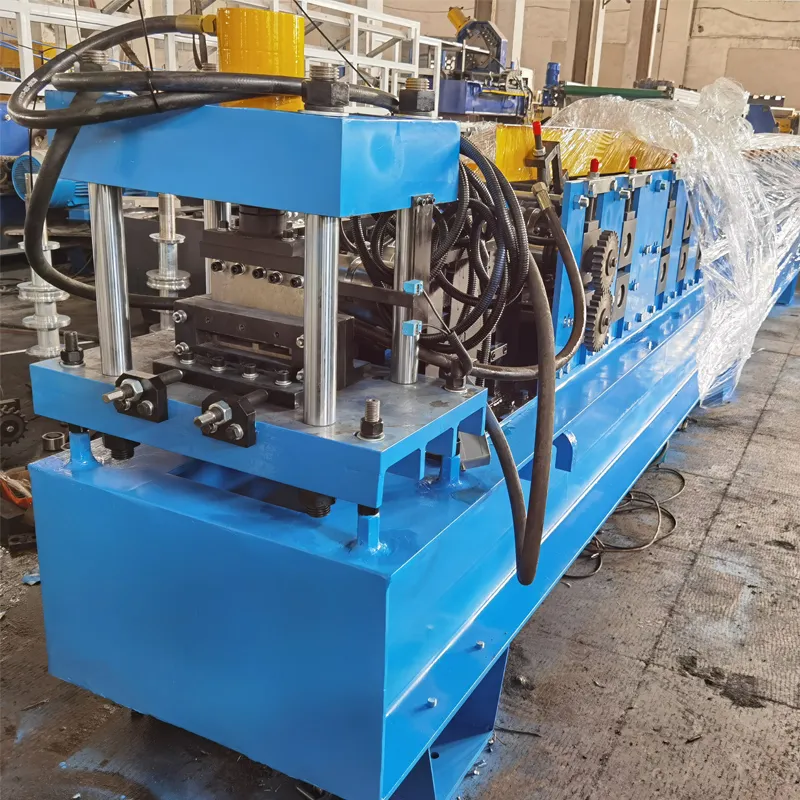
I’ve spent too many mornings in noisy workshops to romanticize metal forming, yet I still get a buzz watching a coil become a flawless panel. The same DNA that powers a good roofing line also runs through Yowin’s Gusset Plate Roll Forming Machine out of Room 5019, Beichen Square, No.19 Shifang Road, Chang'an District, Shijiazhuang, China. Different end products, same obsession: accuracy, uptime, clean edges. And, to be honest, buyers increasingly ask for remote diagnostics and fast-change tooling—because real jobs don’t wait.
Trends I’m Seeing
- Servo-flying cut and closed-loop length control are now baseline on a Roof Roll Forming Machine in many bids. - Coil-friendly design to reduce edge waviness on thin gauges (0.35–0.5 mm) is quietly becoming a differentiator. - Compliance talk has shifted from “do you have CE?” to “show me your risk assessment to ISO 13849-1.” That’s good.
Technical Snapshot (roofing profiles)
| Material | GI/GL (ASTM A653), Al-Zn, prepainted steel; 0.3–0.8 mm |
| Working width | ≈ 914–1250 mm coil; finished panel width around 600–1100 mm |
| Stations / Rollers | 14–24 stations (real-world use may vary by profile depth) |
| Speed | ≈ 15–45 m/min (± cutting cycle) |
| Drive & Control | AC motor or servo main drive; PLC + HMI; encoder length control ≈ ±0.5 mm |
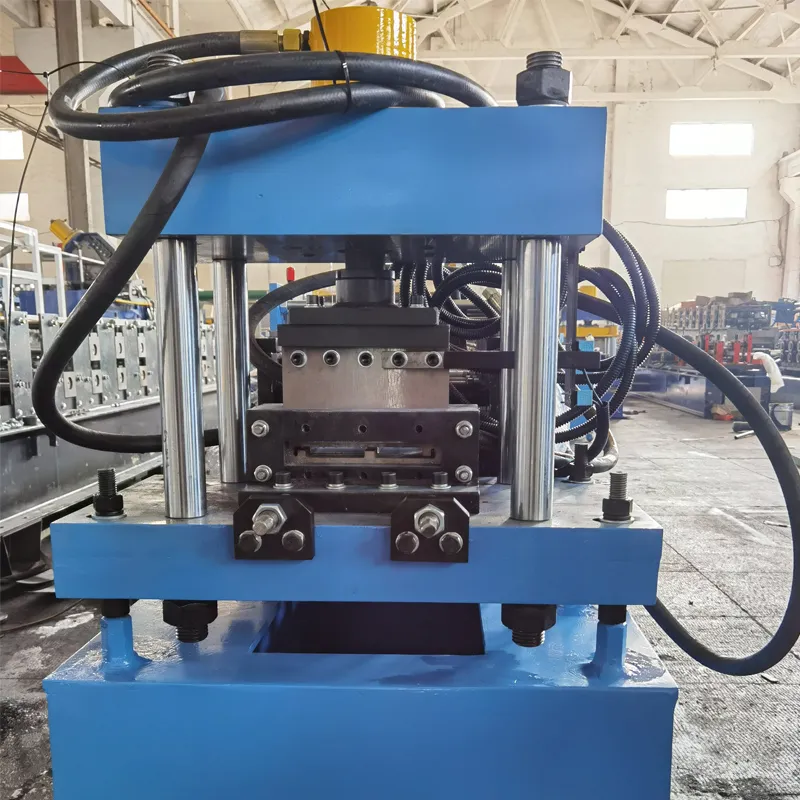
| Cutting | Hydraulic or servo-flying shear; alloy or Cr12MoV blade |
| Decoiler | 3–5 t manual or hydraulic; with loop control (optional) |
Process Flow, Methods, and Testing
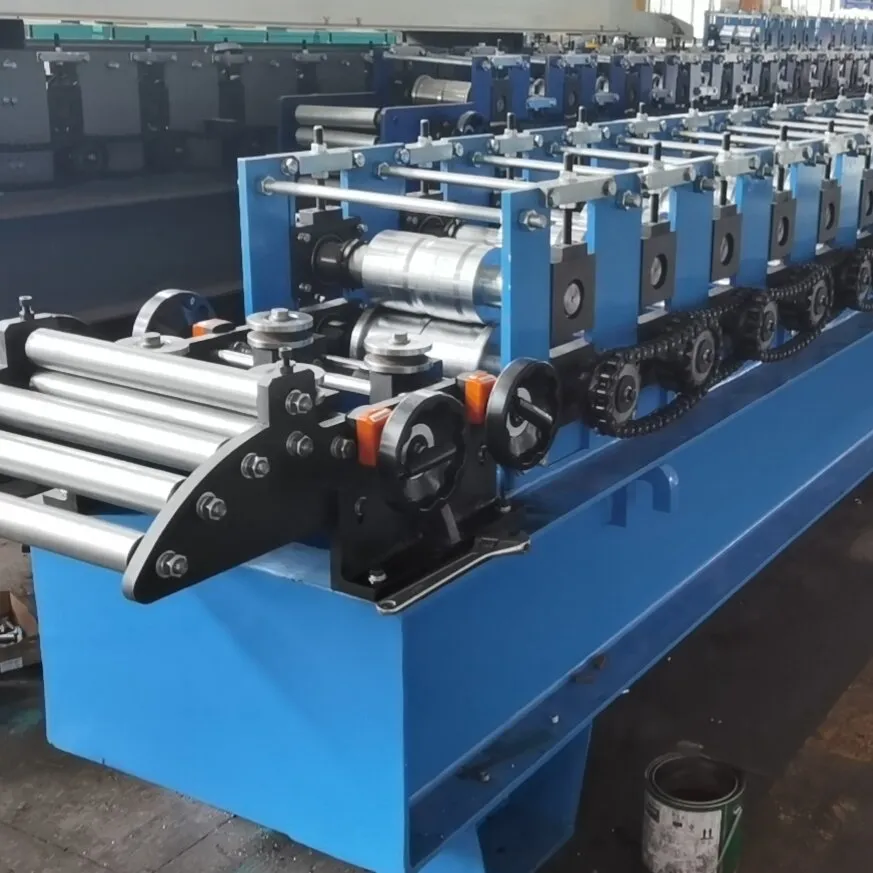
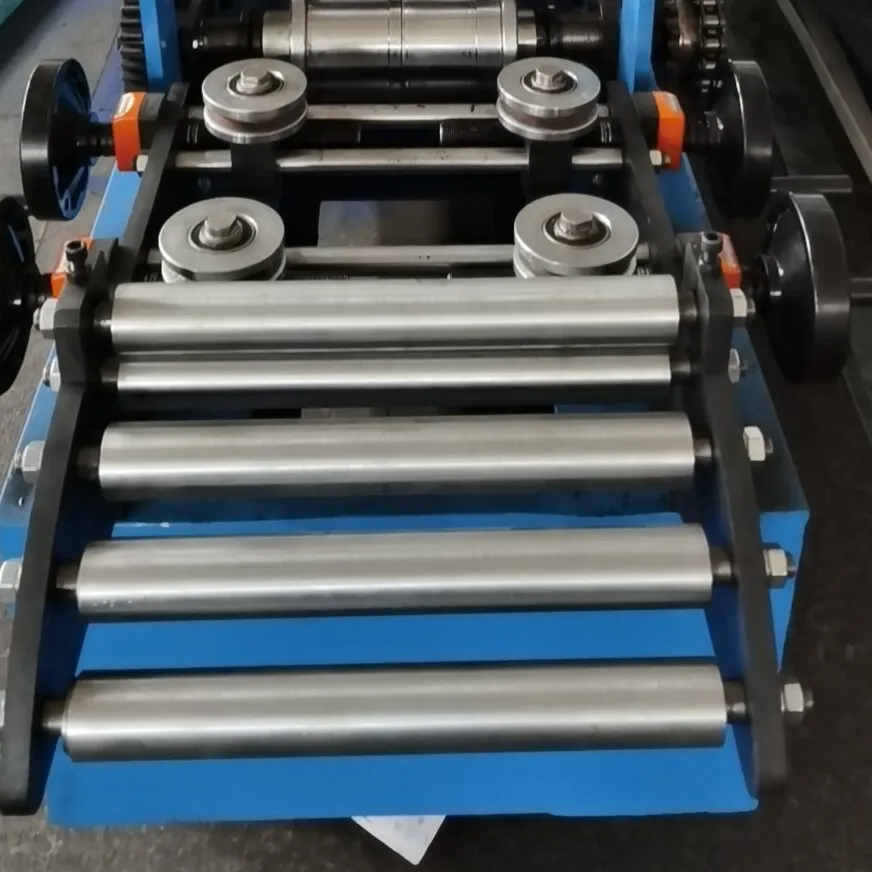
Roof Roll Forming Machine lines follow a predictable route: coil loading → decoiling → leveling (pinch + straightener) → roll forming through stands → flying cut → run-out table → stacking. Materials are usually ASTM A653 galvanized or prepainted coils; for harsh sites, Al-Zn is popular. QC teams often run tensile checks (ASTM A370), coating thickness tests, and salt-spray (ASTM B117) when customers request it. Length accuracy is verified with calibrated encoders; edge straightness aligns with EN 10162/EN 1090 tolerances. With routine greasing, roll cleaning, and hydraulic oil changes, service life comfortably hits 10–15 years, sometimes more.
Use Cases and Customization
Roofing contractors, prefab builders, agricultural sheds, cold storage, and solar EPCs all rely on Roof Roll Forming Machine lines for fast, repeatable panels. Custom kits I see requested: pre-punching for fixings, laminate protective film applicators, embossing for aesthetics, and quick-change cassettes to jump between trapezoid and standing seam. Remote support via VPN has saved many nights—speaking from experience.
Vendor Snapshot (what buyers usually compare)
| Vendor | Certifications | Lead Time | After-Sales | Notes |
|---|---|---|---|---|
| Yowin Machine (Shijiazhuang) | ISO 9001, CE (decl. of conformity) | ≈ 45–75 days | Remote + on-site commissioning | Gusset plate expertise carries over to roof profiles; solid machining quality |
| Local Integrator (varies) | Depends; often CE-ready | Shorter for standard builds | Close support, higher hourly rates | Good for bespoke plant layouts |
| Cost-Down Import | Basic QC; check documents | Fast on paper | Mostly remote | Mind spare parts and wiring standards |
Case Notes (real production, real numbers)
- A mid-size MENA contractor ramped to ≈ 40,000 m/month on a Roof Roll Forming Machine, scrap down ~1.2% after encoder recalibration. - A bridge fabricator used a Yowin gusset line to produce roof bracing plates—odd crossover, but it worked; flatness checks per EN 1090 passed. - In a cold-climate Canadian site, 0.8 mm prepainted panels held ±0.35 mm length tolerance over a 6-month logbook; uptime averaged 98.3% (PLC alarms traced to a fatigued proximity sensor, quick fix).
Buying Checklist (quick and practical)
Profile drawings with tolerances; coil specs (ID/OD/weight); electrical standard (e.g., 380V/50Hz or 460V/60Hz); safety compliance (ISO 13849-1, IEC 60204-1); spare parts list; operator training plan; floor layout and foundation; warranty terms; and, I guess most overlooked—local blade sharpening and oil brands.
Citations
- ISO 9001:2015 Quality Management Systems, ISO.
- ASTM A653/A653M – Standard Specification for Steel Sheet, Zinc-Coated (Galvanized) or Zinc-Iron Alloy-Coated.
- ASTM B117 – Standard Practice for Operating Salt Spray (Fog) Apparatus.
- EN 1090-2 – Execution of steel structures and aluminium structures – Part 2.
- ISO 13849-1 – Safety of machinery – Safety-related parts of control systems.