
Stud and Track Roll Forming Machine | High-Speed, Automated
Automatic Stud & Track Roll Forming: Field Notes From Factory Floors
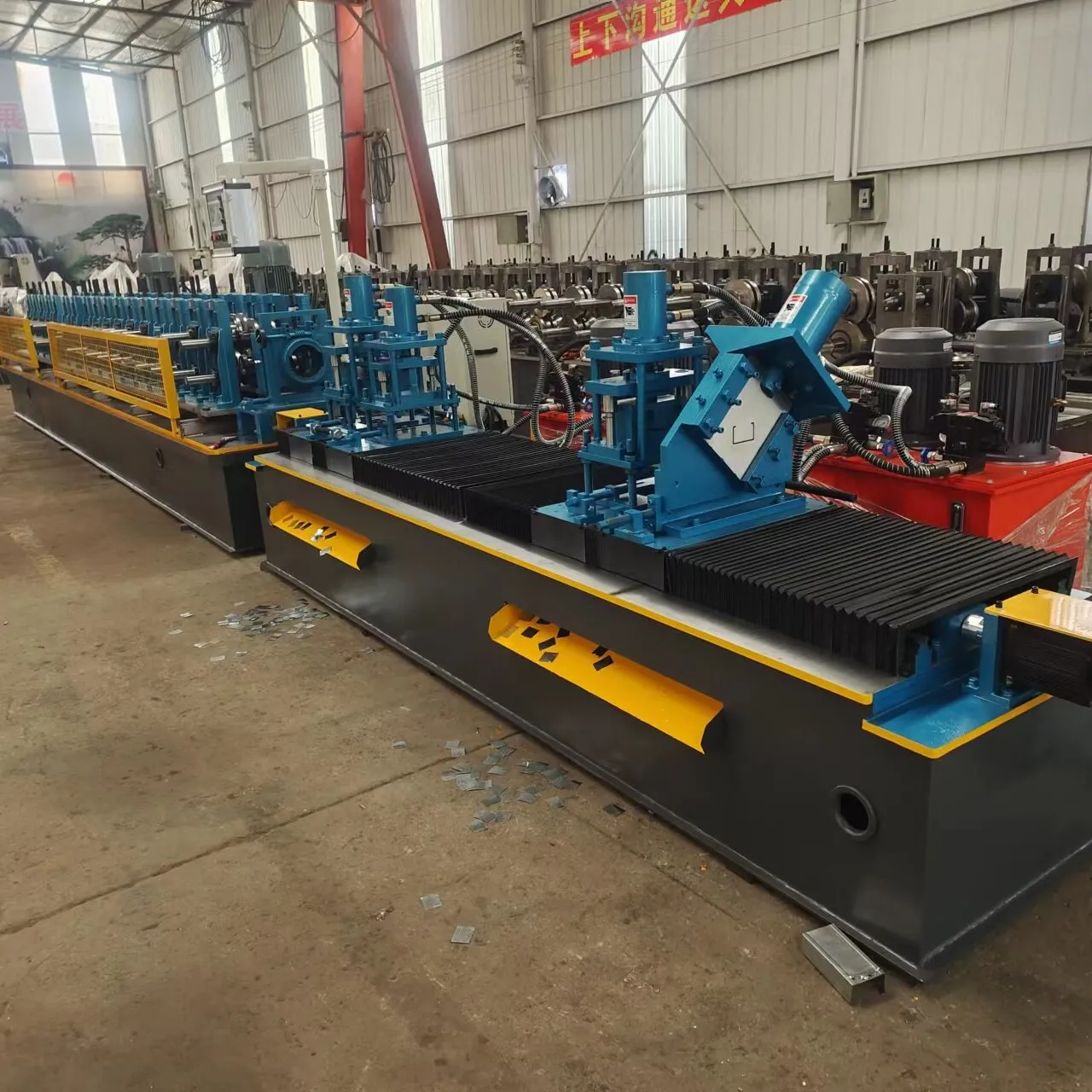
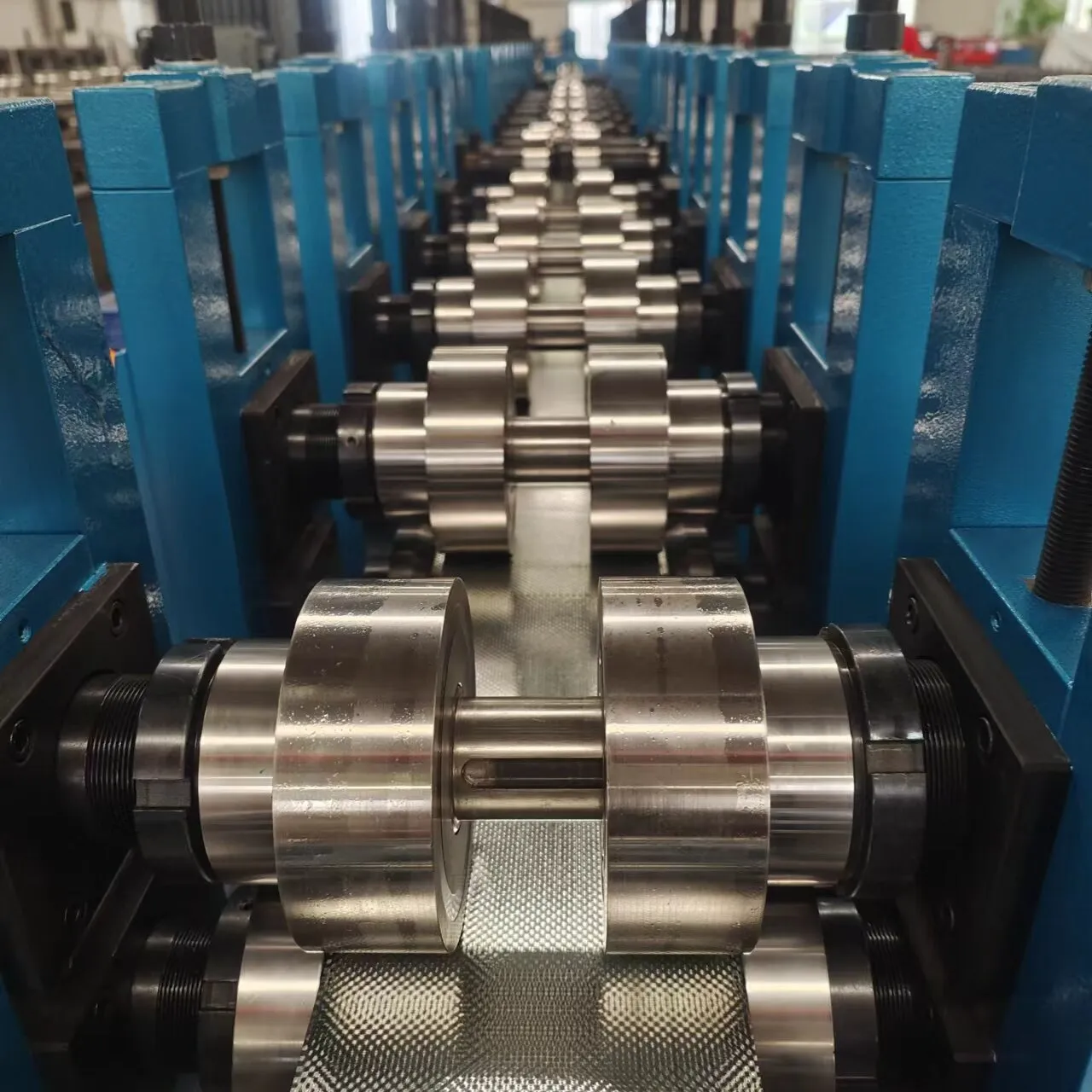
If you’ve ever watched a Stud And Track Roll Forming Machine humming through a coil at dawn, you know why site teams swear by it. The latest auto-size systems have quietly reshaped drywall framing—less downtime, fewer manual errors, and profiles that fit like they were laser-measured. This model hails from Room 5019, Beichen Square, No.19 Shifang Road, Chang'an District, Shijiazhuang, China, and—spoiler—its PLC-driven changeover is the real story.
What’s trending (and why it matters)
Across prefab and commercial interiors, teams demand fast SKU switches and traceable quality. Auto-size PLC control on a Stud And Track Roll Forming Machine lets operators jump between 50/75/100 mm studs and matching tracks without wrenches—honestly, that changes shift economics. We’re also seeing inline punching, QR-coded batch data, and cloud dashboards for uptime. Not every shop needs all of that, but many customers say the payback shows up in scrap reduction before quarter-end.
Product snapshot: key specs
| Parameter | Automatic Stud And Track Roll Forming Machine |
|---|---|
| Material | Galvanized steel (ASTM A1003), GI/GL, 0.4–1.0 mm |
| Profile range | Stud/track 50–150 mm web; leg 30–50 mm; custom lips |
| Forming stations | ≈ 14–20 stands (real-world use may vary) |
| Speed | 40–60 m/min (with punching: ≈35–45 m/min) |
| Changeover | PLC auto-size adjustment; no manual spacers |
| Cutting | Servo flying shear, ±0.3–0.5 mm |
| Drive & control | AC motor + gearbox, Siemens/Delta PLC & HMI |
| Roller material | 42CrMo, quenched HRC 58–62, hard chrome ≈0.05 mm |
| Noise | Around 72–78 dB under load |
Process flow and checks
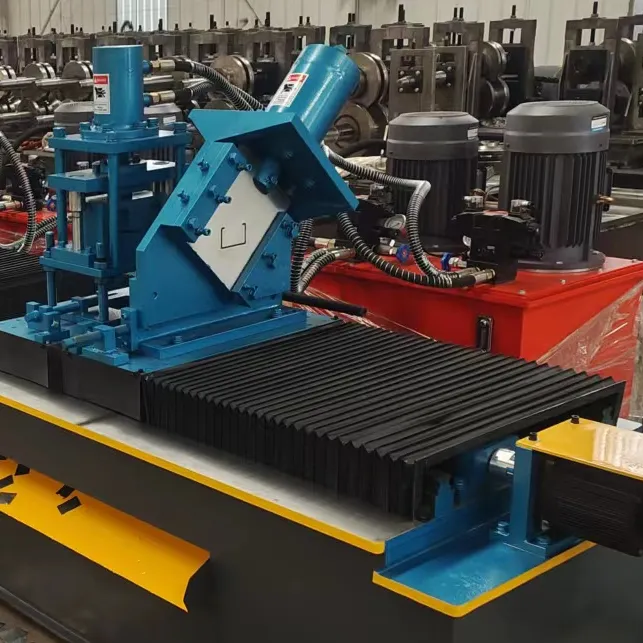
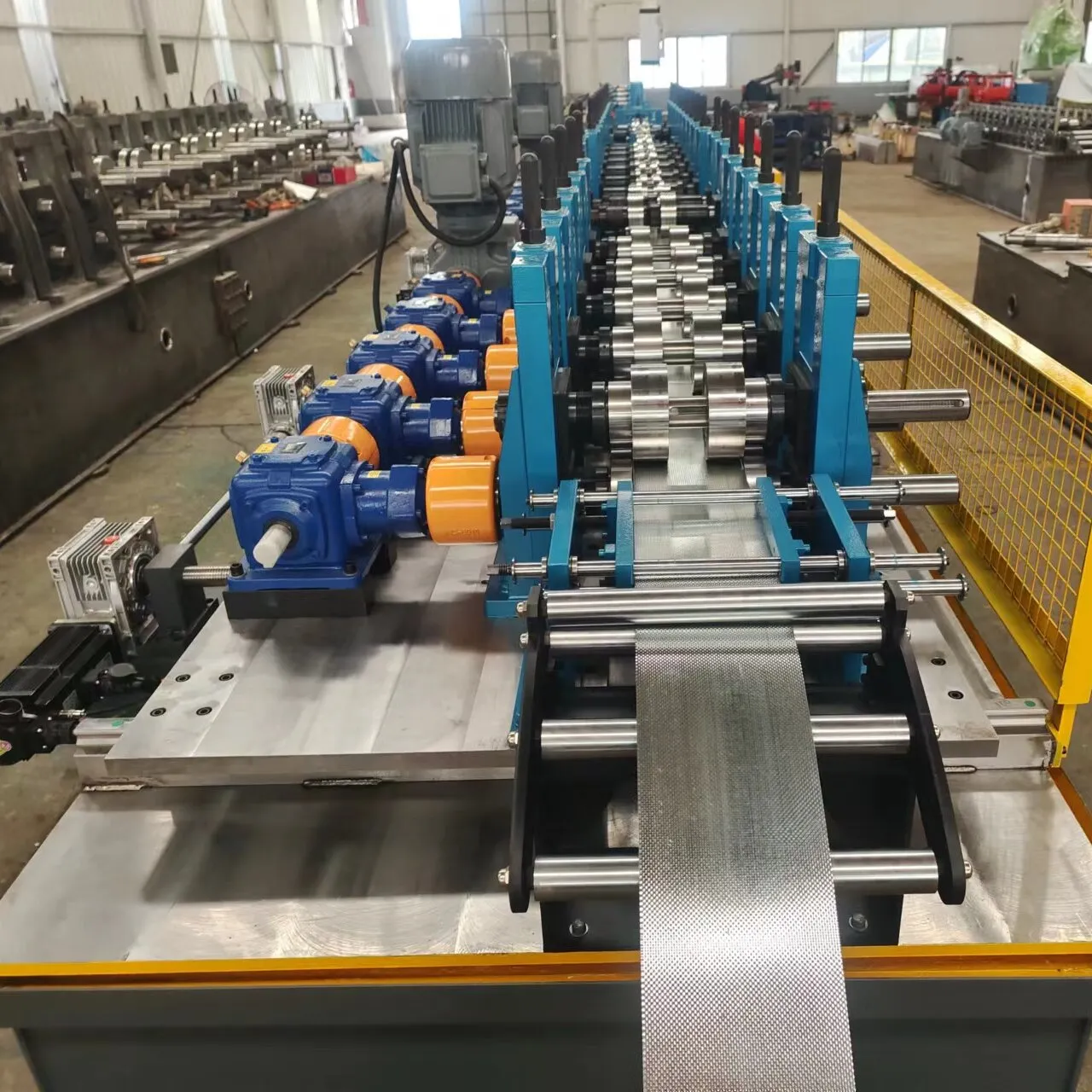
Stud And Track Roll Forming Machine workflow: decoiling → leveling → servo punching (slots/bridge/knock-outs) → roll forming → flying cut → runout table → bundle/label. Materials typically meet ASTM A1003; dimensional tolerances validated against AISI S100/S220. Factory FAT includes 8-hour endurance, ±0.5 mm length test (10-sample average), burr height ≤0.1 mm, and surface scratch audit. Field reports suggest service life of 8–12 years with routine lubrication.
Applications
- Drywall framing, ceilings, partitions in commercial/residential builds
- Modular construction, prefab pods, data center fit-outs
- HVAC soffits, light gauge facades; yes, even quick site kiosks
Vendor comparison (quick read)
| Criteria | Yowin (Auto-size) | Vendor A | Vendor B |
|---|---|---|---|
| Change size | PLC auto, | Manual spacers, 15–30 min | Semi-auto |
| Speed | 40–60 m/min | 30–45 m/min | 35–50 m/min |
| Punching | Inline servo | Offline or slower hydraulic | Inline, basic |
| Certifications | ISO 9001, CE | CE | ISO 9001 |
| Warranty | 12–18 months | 12 months | 12 months |
Customization and QC
Options include coil car, 5–10 ton decoilers, profile libraries in HMI, dimple/emboss tooling, extra knock-out geometries, and barcode printers. Roll tooling is CNC-ground; runout tables use anti-scratch rollers. Acceptance tests reference ISO 9001 procedures; electricals comply with CE Machinery Directive. To be honest, I always ask for a sample kit from 0.5/0.6/0.8 mm—surprisingly revealing.
Case results from the field
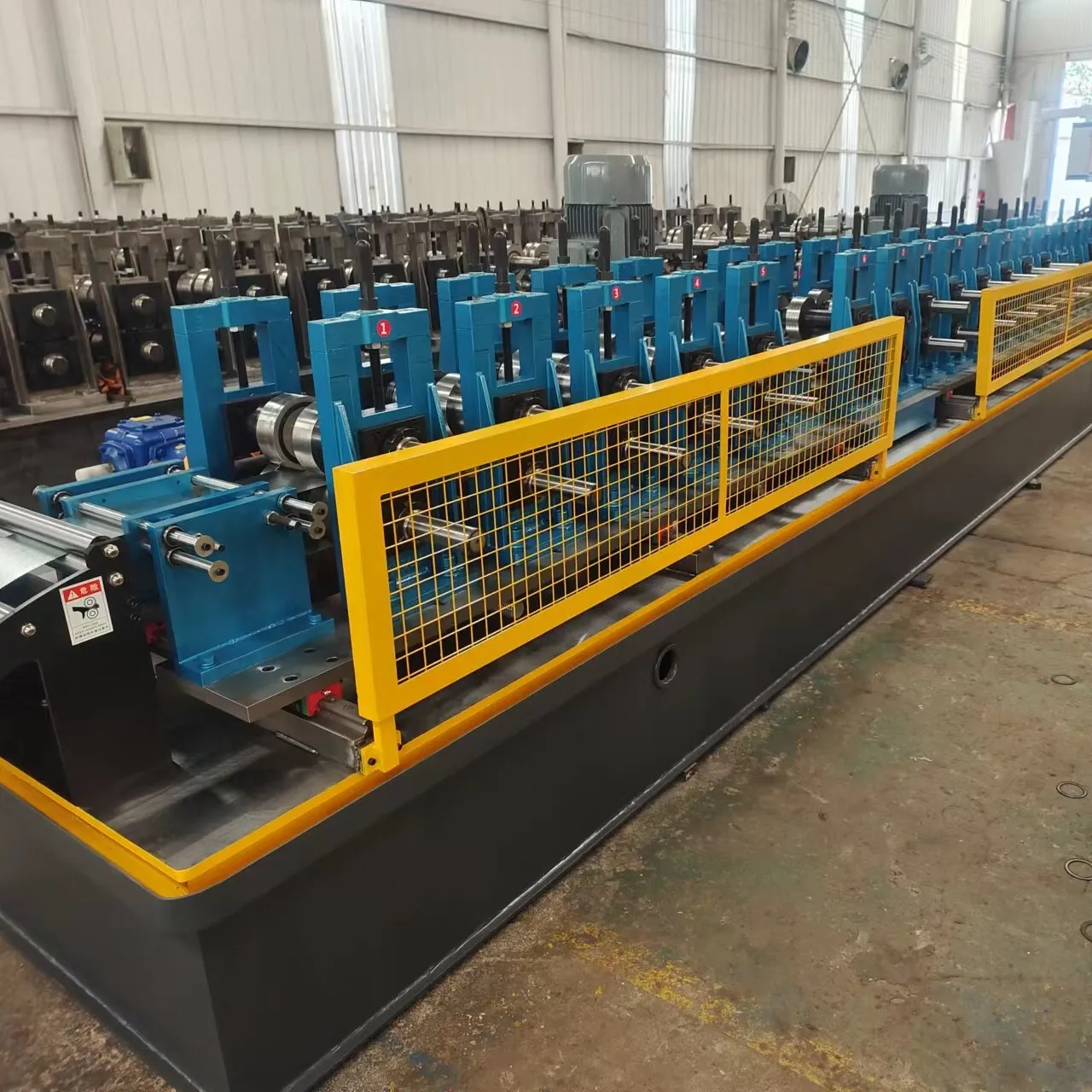
A Midwest drywall fabricator replaced three manual lines with one auto-size Stud And Track Roll Forming Machine. Changeovers dropped from ≈25 minutes to ≈2 minutes. Throughput rose 2.1×. Scrap moved from 3.5% to 0.9% over eight weeks; length tolerance averaged ±0.32 mm on 3 m parts. Operators said training took “an afternoon and a coffee.” Another modular builder reported 14% faster takt by pushing mixed lots (50/75/100 mm) in a single shift.
Maintenance is straightforward: weekly lubrication, monthly chain tension check, quarterly roller alignment audit. With decent coil quality, I’d expect 10-year service life before a major retrofit.
Who gets the most value?
- High-mix drywall fabricators juggling profiles hourly
- Prefab/modular producers needing serialized, traceable batches
- Contractors bringing framing in-house to stabilize lead times
Customer feedback: “We stopped chasing spacers,” one plant manager joked. It seems that once teams trust the PLC recipes, they rarely go back.