
Scaffolding Pipe Thread Rolling Machine | High-Efficiency & Durability
Precision Engineering: The Scaffolding Pipe Thread Rolling Machine
In the robust world of construction and industrial infrastructure, the integrity of scaffolding systems is paramount for safety and operational efficiency. A critical component in ensuring this integrity is the precise formation of threads on scaffolding pipes. This is where the advanced scaffolding pipe thread rolling machine plays an indispensable role. As a cornerstone technology for modern roll forming machine manufacturers, these specialized machines transform raw pipes into precisely threaded components, ready for secure assembly in diverse applications. This article delves into the technical aspects, market trends, and strategic advantages of this essential metal roll machine, offering insights for B2B decision-makers and engineering professionals.
Navigating Industry Trends and Technological Advancements
The scaffolding industry is undergoing significant evolution, driven by heightened safety regulations, demand for greater structural integrity, and the pursuit of enhanced productivity. Key trends influencing the development and adoption of advanced thread rolling technologies include:
- Automation and Digitalization: The integration of PLC controls and HMI interfaces for precise parameter adjustment and process monitoring is becoming standard, reducing manual intervention and improving repeatability.
- Material Science Innovations: The use of higher-strength steels and advanced anti-corrosion coatings demands thread rolling machines capable of processing these materials without compromising their mechanical properties.
- Sustainability: Energy-efficient designs and processes that minimize material waste are increasingly prioritized by roll forming machine manufacturers, aligning with global environmental objectives.
- Global Standardization: Adherence to international standards like ISO, EN, and ASTM for scaffolding components necessitates thread rolling machines capable of producing consistently compliant threads.
- Enhanced Safety: Precision-rolled threads offer superior joint strength and reduced risk of failure compared to cut threads, directly contributing to safer scaffolding structures.
These trends underscore the need for robust, precise, and adaptable thread rolling solutions that can meet evolving industry demands while ensuring the highest levels of quality and safety.
Detailed Process Flow of the Scaffolding Pipe Thread Rolling Machine
The manufacturing process executed by a scaffolding pipe thread rolling machine is a sophisticated cold-forming operation designed to create robust, precise threads without material loss. This contrasts sharply with traditional cutting methods which can weaken the pipe structure. The typical process flow involves several critical stages:
1. Material Preparation and Feeding
Product Materials: High-quality carbon steel (e.g., Q235, Q345) or alloy steel pipes are typically used, often galvanized for enhanced corrosion resistance. Pipes are cut to specified lengths and deburred to ensure clean ends, preventing defects during rolling.
The machine's automated feeding system precisely positions the pipe for the thread rolling operation.
2. Cold Forming (Thread Rolling)
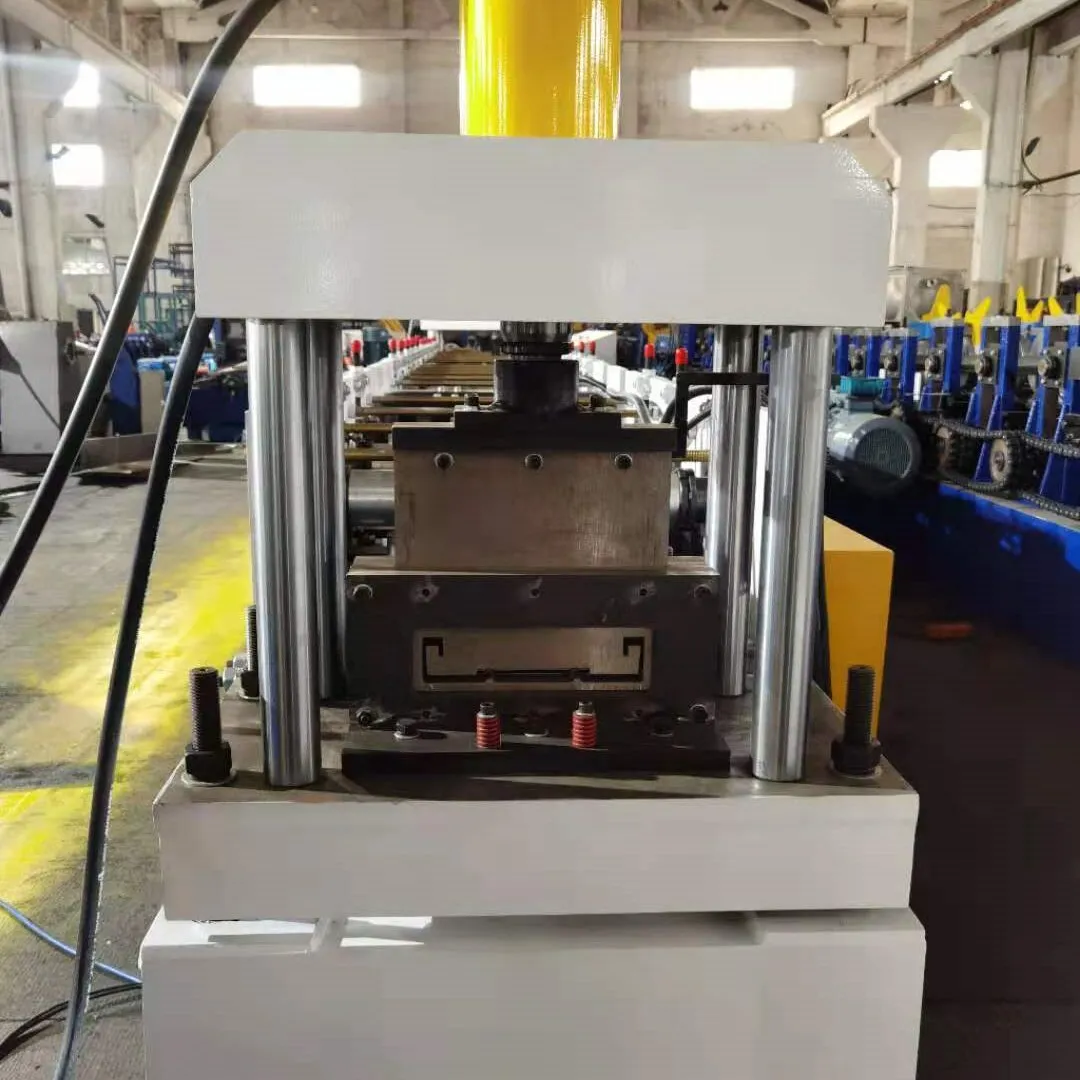
This is the core of the operation. The pipe end is introduced between two or three hardened steel dies (often manufactured through advanced CNC machining and heat treatment for durability) that have the desired thread profile. These dies rotate and apply radial pressure to the pipe, plastically deforming the material to form the thread. This cold forging process work-hardens the material, increasing its tensile strength and fatigue resistance in the threaded section.
Key parameters controlled here include roll force, rolling speed, and the number of rolling cycles, all calibrated to achieve the precise pitch diameter and helix angle required by standards such as ANSI B1.1, BS 1139, or EN 39.
3. Post-Rolling Treatment and Quality Control
After thread formation, pipes may undergo additional processes such as annealing (to relieve internal stresses), passivation (for galvanized pipes), or further surface finishing. Each threaded pipe undergoes rigorous quality control checks.
- Testing Standards: Finished threads are measured for dimensional accuracy (pitch, major/minor diameter), concentricity, and thread form using precision gauges. Adherence to international standards like ISO 9001 for quality management and material-specific standards (e.g., ASTM A53 for pipes) is crucial.
- Service Life: Due to the cold-forming process, which improves grain structure and surface hardness, pipes processed by a quality scaffolding pipe thread rolling machine exhibit a significantly extended service life, often exceeding 10-15 years under normal operational conditions, resisting fatigue and wear.
- Target Industries: These machines are vital for manufacturers supplying scaffolding to diverse sectors, including large-scale construction, petrochemical installations (where corrosion resistance and robust connections are critical), metallurgy, water supply & drainage infrastructure, and shipbuilding.
Advantages in Typical Application Scenarios: The cold rolling process provides superior energy saving compared to machining, as it rearranges material rather than removing it. Moreover, for pipes requiring corrosion resistance, the smooth, work-hardened surface created by rolling further enhances the efficacy of galvanized or coated finishes.
Technical Specifications and Performance Parameters
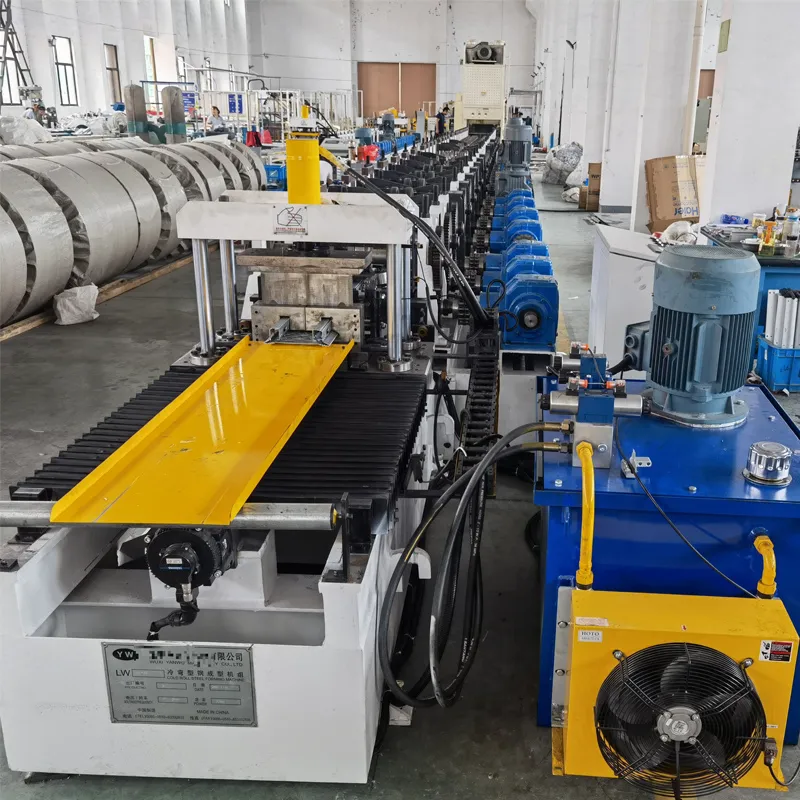
Understanding the precise technical parameters of a scaffolding pipe thread rolling machine is crucial for integrating it into a high-efficiency production line. Below are typical specifications for a modern, high-performance unit:
Product Specification Table: Scaffolding Pipe Thread Rolling Machine
| Parameter | Specification |
|---|---|
| Applicable Pipe Diameter | Ø 42mm - Ø 60mm (1.65 - 2.36 inches) |
| Thread Pitch Range | 2.0mm - 3.0mm (standard BS 1139, EN 39) |
| Thread Length | 150mm - 200mm (5.9 - 7.9 inches) |
| Production Speed | 6-10 pieces/minute (depending on pipe length and material) |
| Motor Power | 7.5 kW - 11 kW (varies by model) |
| Control System | PLC with Touch Screen HMI |
| Material Compatibility | Carbon Steel, Galvanized Steel, Mild Steel |
| Machine Dimensions (L x W x H) | Approx. 3500 x 1200 x 1800 mm |
| Weight | Approx. 2500 - 3500 kg |
These specifications highlight the capability of modern thread rolling machines to deliver consistent quality and high throughput, essential for large-scale scaffolding production. The precise control over parameters ensures threads meet the stringent requirements for safety and interoperability.
Key Technical Advantages and Performance Benefits
Investing in a high-quality scaffolding pipe thread rolling machine offers several distinct advantages over traditional thread cutting methods:
- Superior Thread Strength and Fatigue Resistance: Cold forming rearranges the material's grain structure, increasing its density and hardness. This results in threads with significantly higher tensile strength and fatigue resistance, crucial for the cyclical loading experienced by scaffolding.
- Improved Surface Finish and Corrosion Resistance: The cold rolling process produces a smooth, burnished thread surface free of tears or chatter marks. This improved surface finish enhances the effectiveness of galvanization or other protective coatings, further boosting corrosion resistance and extending component lifespan.
- Material Conservation and Cost Efficiency: Thread rolling is a chipless forming process, meaning no material is removed or wasted. This leads to material savings and reduced scrap, contributing to lower production costs and a more sustainable manufacturing footprint.
- Enhanced Production Efficiency: Modern thread rolling machines are designed for high-speed operation and automated feeding, enabling rapid production cycles and high throughput, which is vital for meeting tight project deadlines in the construction sector.
- Consistent Dimensional Accuracy: The use of precision-ground dies and advanced control systems ensures highly consistent thread dimensions, pitch, and profile from pipe to pipe. This consistency is essential for interchangeable parts and reliable assembly of scaffolding systems, meeting stringent quality standards.
- Reduced Risk of Stress Concentrations: Unlike cut threads which can create microscopic tears and stress risers, cold-rolled threads have continuous grain flow, minimizing potential points of failure and contributing to overall structural integrity and safety.
These advantages directly translate into safer, more durable scaffolding systems and a more efficient, cost-effective manufacturing process for producers.
Critical Application Scenarios and Industry Impact
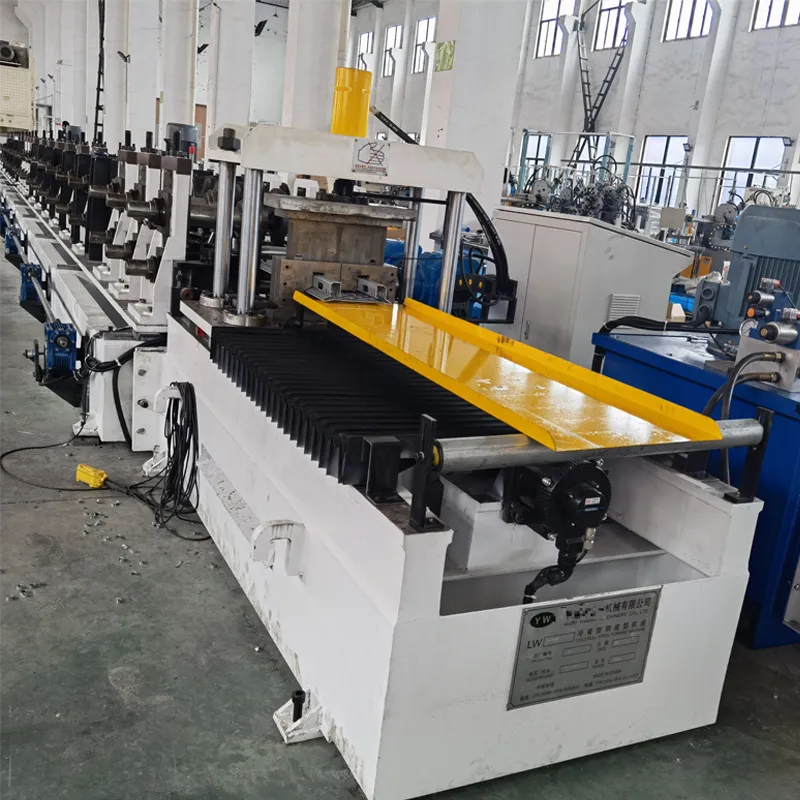
The versatility and robust output of the scaffolding pipe thread rolling machine make it indispensable across a spectrum of heavy industries. Its primary role is to produce standardized, high-strength threaded pipes crucial for the assembly of various scaffolding types, including traditional tube and coupler, modular, and system scaffolds.
- Large-Scale Construction Projects: From high-rise buildings and bridges to intricate civil engineering works, reliable scaffolding is the backbone of construction. Threaded pipes form the crucial connections, ensuring structural stability under dynamic loads and varying weather conditions.
- Petrochemical and Energy Sector: Refineries, power plants, and offshore drilling platforms require robust, corrosion-resistant scaffolding for maintenance, inspections, and construction. The precision threads produced enable quick and secure assembly in often hazardous and corrosive environments.
- Shipbuilding and Marine Applications: Scaffolding is extensively used in shipyards for construction, repair, and maintenance of vessels. The durability and corrosion resistance of cold-rolled threads are particularly beneficial in saline and humid marine atmospheres.
- Industrial Plant Maintenance: Facilities in metallurgy, mining, and water supply & drainage regularly utilize scaffolding for accessing elevated equipment, tanks, and pipelines. The ability to rapidly deploy and dismantle secure scaffolding is paramount for minimizing downtime.
- Event Staging and Temporary Structures: Beyond heavy industry, the precision and reliability of these components are critical for constructing safe and sturdy temporary structures for concerts, sporting events, and exhibitions.
In each scenario, the consistent quality and enhanced mechanical properties of threads produced by a specialized metal roll machine ensure that scaffolding systems meet the stringent safety and performance requirements dictated by industry standards and regulatory bodies.
Choosing the Right Partner: Vendor Comparison and Selection
Selecting the optimal roll forming machine manufacturers for a scaffolding pipe thread rolling machine is a strategic decision that impacts long-term operational efficiency and product quality. Key factors for vendor comparison include:
- Technological Leadership: Evaluate vendors based on their commitment to R&D, incorporation of advanced automation (e.g., servo-driven systems, intelligent diagnostics), and adherence to industry 4.0 principles.
- Customization Capabilities: A reputable manufacturer should offer flexible solutions, adapting machine specifications (e.g., pipe diameter range, thread profiles) to specific production needs and future expansion plans.
- Quality and Certifications: Prioritize manufacturers with ISO 9001 certification and a proven track record of producing machines that comply with international safety and performance standards (e.g., CE marking for European markets).
- After-Sales Support and Service Network: Assess the availability of technical support, spare parts, and a responsive service network for installation, training, and maintenance. Downtime can be costly, making robust support critical.
- Industry Experience and Reputation: Choose vendors with extensive experience in the scaffolding and pipe processing industry, supported by strong client testimonials and a solid market reputation. A company with 20+ years of dedicated service in this niche demonstrates deep expertise.
- Total Cost of Ownership (TCO): Beyond the initial purchase price, consider energy efficiency, maintenance costs, and the longevity of wear parts (like rolling dies) when evaluating different machines.
Tailored Solutions and Customization Capabilities
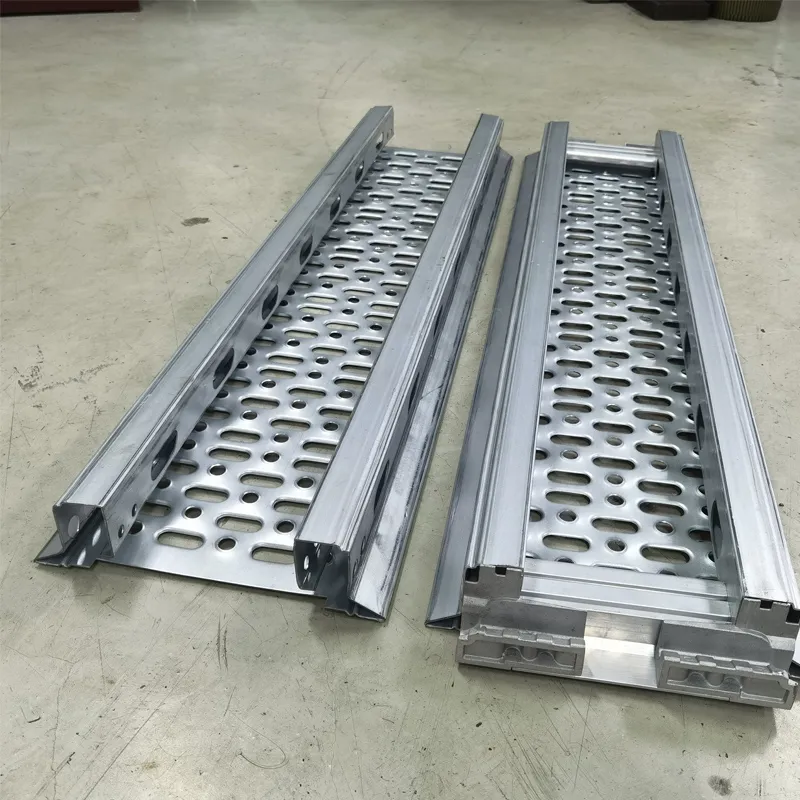
Recognizing that no two manufacturing operations are identical, leading roll forming machine manufacturers offer extensive customization options for their scaffolding pipe thread rolling machine lines. This adaptability ensures that the equipment perfectly integrates with existing workflows and meets specific production demands.
- Pipe Diameter and Length Variability: Machines can be configured to accommodate a wider range of pipe diameters and lengths beyond standard specifications, catering to diverse project requirements.
- Specific Thread Profiles: Custom dies can be engineered to produce unique thread profiles, pitches, or multi-start threads, ensuring compatibility with proprietary scaffolding systems or regional standards.
- Integration with Production Lines: Customization extends to integrating the thread rolling machine seamlessly with upstream (e.g., cutting, deburring) and downstream (e.g., washing, packaging) processes, creating fully automated production lines.
- Automation Levels: From semi-automatic loading and unloading to fully robotic systems, the level of automation can be tailored to match labor availability, desired throughput, and budget.
- Material Handling Solutions: Customized conveyor systems, robotic arms, and stacking solutions can be implemented to optimize material flow and reduce manual labor, particularly for heavy-duty scaffolding pipes.
These tailored solutions empower businesses to optimize their manufacturing processes, enhance product differentiation, and respond flexibly to market demands, maximizing the return on investment in a sophisticated metal roll machine.
Real-World Application Case Studies
The practical impact of advanced thread rolling technology is best illustrated through real-world applications:
Case Study 1: High-Volume Production for Urban Infrastructure
A leading construction equipment supplier in Southeast Asia faced challenges in meeting the escalating demand for scaffolding components for numerous urban development projects. By integrating a high-speed, automated scaffolding pipe thread rolling machine, they were able to increase their daily production capacity by 40%. The consistency of the rolled threads significantly reduced rejection rates, improved assembly times on site, and contributed to a 15% reduction in overall project timelines due to faster scaffolding erection.
Outcome: Enhanced efficiency, reduced operational costs, and improved market responsiveness.
Case Study 2: Precision for Petrochemical Plant Maintenance
For a major petrochemical facility in the Middle East, the requirement for scaffolding components with superior corrosion resistance and absolute structural integrity was paramount. A specialized metal roll machine capable of processing pre-galvanized pipes without damaging the protective coating was deployed. The cold-rolled threads exhibited excellent adhesion for post-treatment coatings and offered enhanced fatigue life under the facility's harsh operational conditions, ensuring long-term safety and compliance with API standards.
Outcome: Superior product quality, extended service life of components, and compliance with stringent industry safety regulations.
Ensuring Quality and Reliability: The Pillars
Adherence to Google's (Expertise, Experience, Authoritativeness, Trustworthiness) guidelines is fundamental to establishing credibility in the B2B sector.
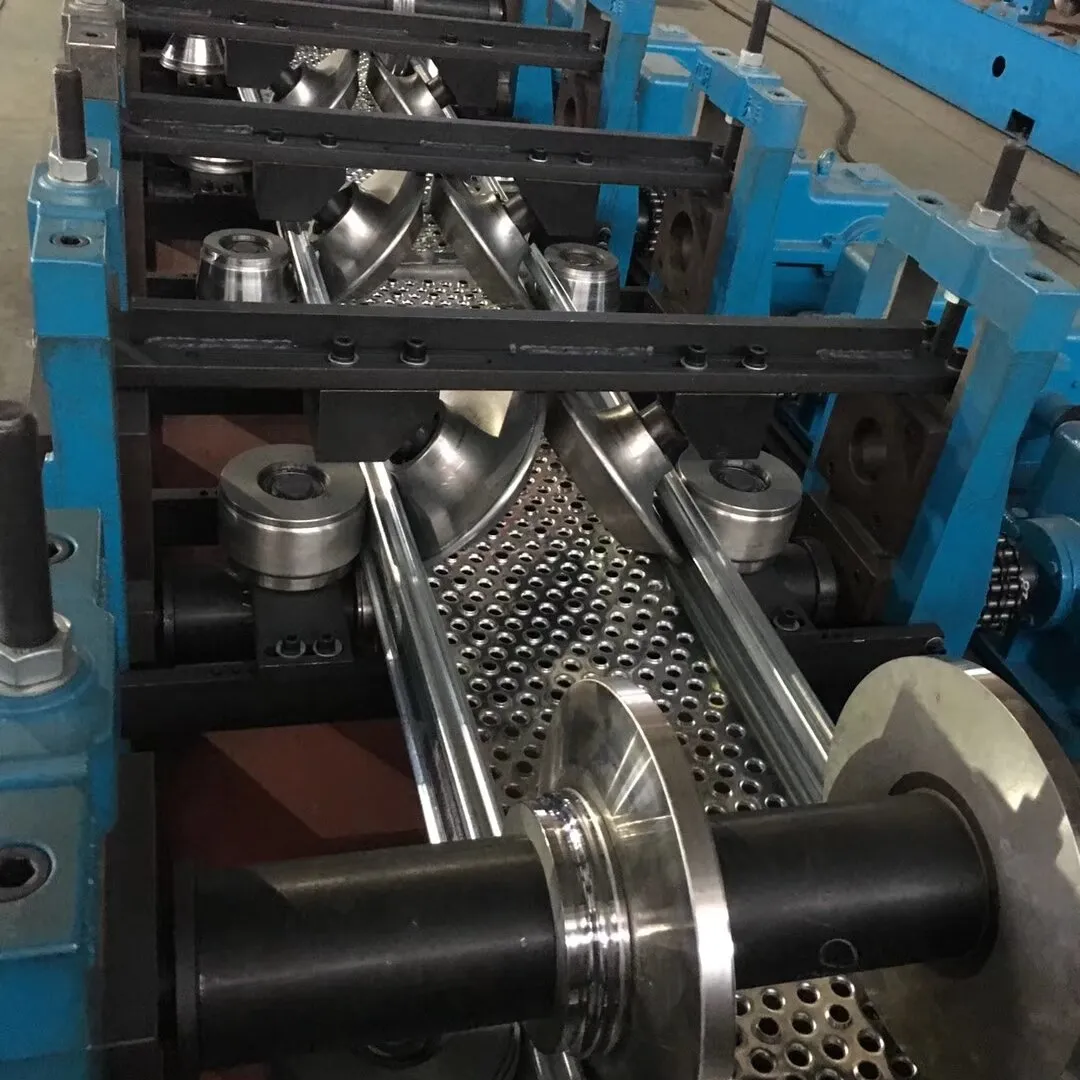
- Expertise: Our deep understanding of thread mechanics, material science, and roll forming technologies ensures that every scaffolding pipe thread rolling machine is designed and manufactured with unparalleled technical precision, backed by a team of mechanical and automation engineers specializing in cold forming processes.
- Experience: With over two decades of dedicated service to the pipe processing and scaffolding industries, our products are proven in demanding real-world scenarios. We have a robust portfolio of successful installations globally and a track record of positive customer feedback highlighting durability and consistent performance.
- Authoritativeness: As an ISO 9001:2015 certified roll forming machine manufacturer, our operations meet international quality management standards. Our equipment is designed to produce components compliant with leading authoritative references like ASTM, BS, and EN standards. Partnerships with major scaffolding producers globally further underscore our industry standing.
- Trustworthiness: We prioritize transparency and customer satisfaction, offering comprehensive support and clear commitments on product performance.
Frequently Asked Questions (FAQ)
Q1: What types of pipes can your scaffolding pipe thread rolling machine process?
A1: Our machines are primarily designed for carbon steel, galvanized steel, and mild steel pipes within specified diameter ranges, typically from 42mm to 60mm, essential for standard scaffolding applications. Custom solutions for other materials or sizes may be available upon request.
Q2: How does thread rolling compare to thread cutting in terms of strength?
A2: Thread rolling is a cold-forming process that plastically deforms the material, increasing its density and hardness. This results in threads with superior tensile strength, fatigue resistance, and a smooth surface finish compared to thread cutting, which removes material and can introduce stress concentrations.
Q3: What is the expected service life of the rolling dies?
A3: The service life of rolling dies depends on the pipe material, hardness, and operational usage. Our dies are manufactured from high-grade alloy steel, CNC machined, and precision heat-treated for maximum durability, typically offering hundreds of thousands of cycles under optimal conditions. Replacements are readily available.
Q4: Are your machines compliant with international safety standards?
A4: Yes, all our metal roll machine products, including the scaffolding pipe thread rolling machine, are designed and manufactured in accordance with strict international safety and quality standards, including CE requirements for European markets. Our internal quality control systems are ISO 9001 certified.
Logistics, Warranty, and After-Sales Support
We understand that the acquisition of capital equipment is a significant investment, and our commitment extends far beyond the sale.
- Lead Time and Fulfillment: Standard models typically have a lead time of 8-12 weeks, depending on current production schedules and customization requirements. Expedited options are available for urgent projects. Our logistics team manages global shipping to ensure timely and secure delivery.
- Warranty Commitments: All our roll forming machine manufacturers products, including the scaffolding pipe thread rolling machine, come with a comprehensive 12-month warranty covering manufacturing defects and major components. Extended warranty options are available.
- Customer Support: Our dedicated after-sales support team provides installation assistance, operational training, remote troubleshooting, and on-site technical service. We maintain a robust inventory of spare parts to minimize downtime and ensure continuous operation for our clients worldwide.
Conclusion
The modern scaffolding pipe thread rolling machine is more than just a piece of equipment; it is a vital asset for any enterprise committed to producing high-quality, safe, and durable scaffolding components. By leveraging advanced cold-forming technology, these machines deliver superior thread strength, enhanced corrosion resistance, and remarkable production efficiency. As the construction and industrial sectors continue to evolve, the demand for precise and reliable scaffolding infrastructure will only grow, making the investment in a state-of-the-art thread rolling solution a strategic imperative for long-term success and competitive advantage. Partnering with experienced roll forming machine manufacturers ensures access to both cutting-edge technology and unparalleled support.
References
- European Committee for Standardization. (2009). EN 39: Loose steel tubes for pipe and coupler scaffolds - Technical delivery conditions. Brussels, Belgium: CEN.
- ASTM International. (2020). ASTM A53/A53M: Standard Specification for Pipe, Steel, Black and Hot-Dipped, Zinc-Coated, Welded and Seamless. West Conshohocken, PA: ASTM International.
- International Organization for Standardization. (2015). ISO 9001: Quality management systems — Requirements. Geneva, Switzerland: ISO.
- Machinery's Handbook, 31st Edition. (2020). Industrial Press.
- Groover, M. P. (2010). Fundamentals of Modern Manufacturing: Materials, Processes, and Systems. John Wiley & Sons.